


I respect Chubb as a global insurance heavyweight. It underwrites travel policies for airlines, credit cards and corporate programs around the world. But after years of trip planning, reading policy documents and following real-world claim stories, I would never click “add travel insurance” on a Chubb-backed product without slowing down and reading the fine print first. The coverage can be solid, even excellent in some scenarios, but the details, exclusions and service realities matter far more than the glossy promise on a booking page.
Get the latest updates straight to your inbox!
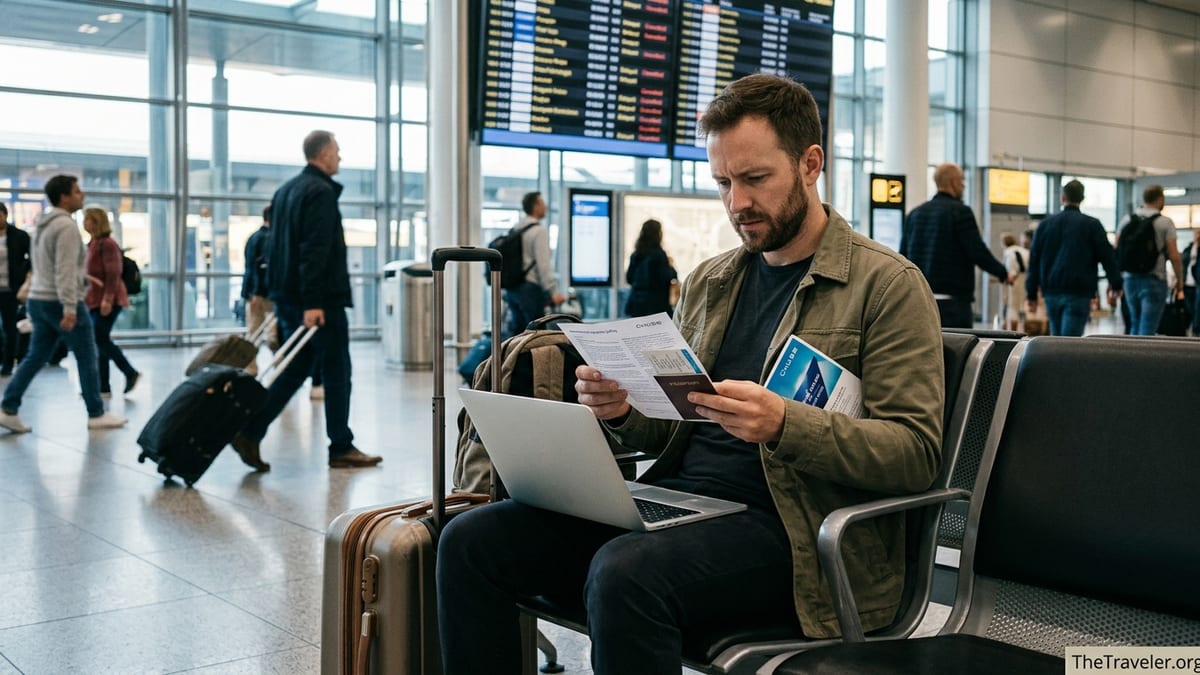
Chubb’s Reputation Sounds Comforting, But It Can Be Misleading
Chubb is one of the largest property and casualty insurers in the world, with travel operations in more than 50 countries and the ability to issue policies in over 140. On its consumer-facing sites, Chubb highlights trip cancellation, interruption, baggage loss, medical emergencies and evacuation, wrapped in reassuring language about “24/7 assistance” and “global capability.” For a rushed traveler booking a flight or tour, seeing a name like Chubb next to the check box for trip protection can feel like a safety net you hardly need to think about.
The problem is that Chubb does not sell a single, uniform travel policy. It underwrites many different products: annual plans in the United States, single-trip policies sold directly online, white-label coverage sold through airlines or rail carriers, and group plans built into premium credit cards or corporate travel programs. A Chubb-branded policy attached to a low-cost airline booking in Europe can look very different from a Chubb annual plan sold to an American family or a product embedded in a business traveler’s benefits in Singapore.
Real travelers often assume that “Chubb” means a certain standard of generous coverage and smooth claims because they have heard that the company treats high-net-worth clients well in other lines like homeowners or fine-art insurance. That may or may not translate to the specific travel product you are buying. When you purchase blindly, you are trusting the brand halo instead of the actual contract you are agreeing to.
Even consumer reviews are split. Some policyholders praise efficient claims and fast payouts for cancelled trips or medical expenses abroad. Others describe weeks of silence from adjusters, difficulty finding working phone numbers, or confusion over documents required before a claim is even looked at. The reality is nuanced, and that is exactly why buying based on the logo alone is risky.
Coverage Details Vary Widely By Channel And Country
One reason I will not buy Chubb travel insurance on autopilot is how differently its products are configured depending on where and how you buy. In the United States, for example, Chubb markets annual travel plans that kick in once you travel more than 100 miles from home and can cover trip cancellation, emergency medical treatment and evacuation, among other benefits. Those plans are pitched to frequent travelers who take at least three trips a year and want one policy instead of multiple single-trip purchases.
In Asia, Chubb sells branded leisure travel insurance directly to consumers with specific Covid-19 medical cover built in, plus access to a 24-hour assistance hotline if you fall ill or are injured while traveling. In places like Singapore and Indonesia, policy brochures highlight quarantine allowances or hospital cash benefits for certain Covid-related events. Meanwhile, in the United Kingdom, Chubb’s online product pages emphasize cover for trip cancellation, emergency medical expenses, baggage, and a defined Covid component, but the exact triggers and limits depend on the specific plan chosen at checkout.
The differences become even more pronounced with white-label policies. When you book a flight on a European or Asian carrier, you may see “travel protection powered by Chubb” offered for a small flat fee. Those policies can be quite bare-bones, with modest trip cancellation limits, tight definitions of what counts as a covered reason, and lower caps for lost baggage or travel delay than you might assume from the brand alone. A policy embedded in a credit card benefit, such as coverage under a premium card’s travel accident or delay insurance, may focus heavily on accidental death and dismemberment or flight delays rather than broad trip cancellation.
For a traveler, this patchwork means you cannot meaningfully rely on generic statements like “Chubb covers Covid” or “Chubb is generous with delays.” You have to look at your specific plan wording, the jurisdiction it is issued under and the benefits table. Buying blindly across borders risks discovering too late that the “Chubb travel insurance” you thought you bought is far narrower than the one you saw reviewed in another country.
The Fine Print: Exclusions And Conditions That Can Trip You Up
Every travel insurer uses exclusions and conditions, but Chubb’s policy documents illustrate why you should never skip this part. In Covid-related notices Chubb issued when the pandemic began, the company made clear that many policies would not cover trip cancellation or interruption simply because you were worried about traveling or decided not to go once an outbreak was widely known. Only if you actually contracted Covid-19 and met the medical criteria could you claim certain benefits, and often only if you bought the policy before a defined “known event” date.
That pattern persists with other risks. Brochures and policy wordings for Chubb travel products spell out major exclusions such as pre-existing medical conditions that were not stable, travel against medical advice, loss arising from self-inflicted injury, and claims connected to high-risk activities not listed as covered. Political unrest, strikes and civil commotion may be partially covered under specific clauses, excluded entirely, or treated differently depending on whether a formal travel warning was issued before you left. Two travelers on different Chubb plans could experience the same airport closure and have very different claim outcomes.
Real-world complaints show how these nuances matter. Travelers have reported having claims referred to special investigation units for relatively small amounts when the insurer wanted extra documentation or saw inconsistencies, stretching a simple delay or baggage claim into weeks of back-and-forth. Others have struggled to cancel a newly purchased policy within the stated “cooling-off” period because contact numbers did not work or emails went unanswered, leaving them worried they would be charged for a policy they no longer needed.
Then there are the documentation requirements. Chubb’s own claim checklists for travel emphasize the need for original receipts, airline letters confirming the reason for a delay or cancellation, medical reports from treating doctors abroad, and, in some markets, even police reports for certain types of loss or theft. On paper this sounds reasonable. In practice, when your bag goes missing in a crowded station in Italy or your flight is cancelled at midnight in a remote airport in Latin America, getting a perfect paper trail can be close to impossible.
Service And Claims: Not Always The Seamless Experience You Expect
Marketing materials typically highlight Chubb’s 24/7 emergency assistance and global claims infrastructure. On the ground, experiences range from excellent to exasperating. Some travelers describe clear guidance from assistance teams when hospitalized abroad, with Chubb arranging direct billing with local hospitals and organizing medical evacuation when needed. That is the best-case scenario most of us hope for when we buy travel insurance.
But there are less rosy stories too. Policyholders have complained publicly about adjusters not returning calls for weeks, claims being passed between departments without clear updates, or online claim portals that are hard to navigate. One customer who bought a Chubb-backed travel policy through a European airline reported that the contact number in their documents did not work and that emails about cancelling within the 14-day window went unanswered, leaving them unsure whether the policy was in force or refunded.
Legal firms that specialize in insurance disputes sometimes use Chubb travel claims as examples in their marketing, describing how consumers approach them after trying and failing to get clear decisions on trip interruption or medical bills incurred abroad. They paint a picture of claimants who felt they had done everything right, only to encounter vague references to policy terms, requests for additional documentation months after submission, or partial approvals that do not match their expectations.
For a traveler facing a medical emergency overseas or trying to claw back thousands of dollars from a cancelled safari or cruise, these service realities matter as much as the policy wording. Buying blindly ignores the practical question: if something goes wrong, how easy will it be to reach the right people, understand what is required, and get a fair decision within a reasonable time?
Real-World Scenarios Where Buying Blindly Backfires
Consider a family from Illinois booking a one-week beach holiday in Mexico, with a trip value of around 1,500 dollars. A travel site shows them a Chubb-backed policy for a modest premium. If they assume that “trip cancellation” automatically covers backing out because one child gets a mild cold or because news reports mention unrest elsewhere in the country, they may be disappointed. In many Chubb plans, only specific, listed reasons such as serious illness certified by a doctor, death in the family, or certain types of severe weather or natural disaster qualify. General nervousness, a minor illness that does not prevent travel or a change of heart will not.
In another scenario, imagine a solo traveler from London who buys a low-cost Chubb travel policy through an airline when booking flights to Southeast Asia. The policy has a tempting price but relatively low medical coverage limits and tight conditions around adventurous activities. If that traveler decides on arrival to rent a scooter without a proper license or helmet and has an accident, a close reading of the exclusions might reveal that injuries from unlicensed motorbike use are not covered. The traveler may end up paying out of pocket for hospital bills, even though they “had insurance.”
Corporate travelers can be caught by assumptions too. A consultant traveling frequently between New York and Europe might rely on a company-wide Chubb-backed business travel accident policy that primarily covers accidental death, disability and emergency evacuation. If they assume it also provides generous cover for non-refundable conference fees, upgraded business-class tickets and luxury hotels when a meeting is cancelled for a non-medical reason, they might be surprised to find only limited or no trip cancellation benefits in the fine print.
These examples are not theoretical. They mirror patterns of complaints seen in public forums: travelers who thought they were covered, only to be denied because the trigger did not match a covered reason, the activity was excluded, or the required evidence was not provided in the right form or timeframe. The common thread is not that Chubb is uniquely bad. It is that buying any complex travel policy without drilling into the details, particularly from a big global insurer whose name inspires confidence, is inviting unpleasant surprises.
How To Evaluate A Chubb Policy Before You Click “Buy”
None of this means you should avoid Chubb entirely. In many markets, its travel products sit alongside competitors like Allianz, AIG, Generali, AXA and others, and the right Chubb policy can be a solid choice. The key is not to buy blindly. Start with the basics: check the total trip cost and your non-refundable expenses, then look at the policy’s trip cancellation and interruption limits to see if they are high enough to matter. It makes little sense to rely on a plan that covers only a fraction of your prepaid cruise or safari.
Next, look closely at emergency medical and evacuation limits. In the United States, some Chubb annual plans and single-trip policies offer medical coverage that is designed as excess coverage over your regular health insurance, which may be fine if your domestic policy works abroad but problematic if it does not. If you are heading to a country where your primary health insurance offers little or no reimbursement, you may prefer a Chubb policy or a competitor’s product that provides robust primary medical coverage with clear limits in the hundreds of thousands of dollars.
Pay particular attention to the list of covered reasons for trip cancellation and interruption, and to any Covid-specific language. Does the policy cover you if you personally test positive before departure, if a close family member at home is hospitalized, or only if border closures or government advisories occur? Also, look at exclusions for pre-existing conditions and whether a waiver is available if you buy within a certain timeframe after your first trip payment. Chubb, like many insurers, may offer better pre-existing coverage if you purchase early.
Finally, test the practicalities: Is there a clear, domestic phone number you can call from your home country before travel? Does the policy specify a claims portal or email address, and is there a local office in your region? If you are buying through an intermediary like an airline or online travel agency, note whether they or Chubb will handle customer service once you leave the checkout page. A few minutes spent checking these details can reveal whether you are buying a well-supported plan or a minimal add-on with limited service behind it.
The Takeaway
Chubb is a heavyweight insurer with real global reach and the capacity to provide excellent coverage and assistance in some circumstances. That is precisely why its name appears so often on airline checkout pages, credit card benefit guides and corporate travel programs. Yet the breadth of its operations and the variety of policy types it underwrites mean that “Chubb travel insurance” is not a single, consistent product. It is a collection of contracts that can range from comprehensive annual plans to narrowly framed, low-cost add-ons.
I would not buy Chubb travel insurance blindly because the comfort of a familiar brand name is no substitute for understanding the policy you are actually purchasing. Exclusions around pre-existing conditions, Covid-related events, high-risk activities and documentation rules can transform what looks like broad protection into something far more limited. Service experiences can be excellent or frustrating, depending on the channel, country and complexity of your claim.
The solution is not to shun Chubb, but to slow down. Read the schedule of benefits, scan the exclusions, confirm how claims are handled and compare the offer with at least one or two alternatives before you click “buy.” In a world where a single overseas medical emergency or cancelled trip can cost thousands, that extra ten minutes of attention can make the difference between a policy that actually protects you and one that exists mostly in your imagination.
FAQ
Q1. Is Chubb travel insurance a good option for most travelers?
It can be, but it depends heavily on the specific plan, country and sales channel. Some Chubb policies offer strong medical and evacuation coverage, while others sold as cheap add-ons have limited benefits. You should compare the exact policy wording and limits with alternatives rather than relying on the brand name alone.
Q2. Does Chubb travel insurance cover Covid-related trip cancellations?
Many Chubb products now include some Covid-related benefits, but they are usually tied to defined events such as you or a covered family member testing positive and being medically unfit to travel. Fear of travel or general concerns about outbreaks are typically not covered. The only way to know what applies is to read the Covid section of your specific policy.
Q3. Are Chubb’s travel insurance policies the same worldwide?
No. Chubb customizes its travel insurance offerings by country and distribution channel. A plan sold directly to a U.S. resident as an annual policy may look very different from a one-click policy bundled with an airline ticket in Europe or Asia. You cannot assume that a positive review from one region applies to another.
Q4. Why do some travelers complain about Chubb’s claims process?
Complaints often involve slow communication, difficulty reaching the right department, or frustration over documentation requirements that travelers did not anticipate. Others report smooth and efficient claims. Outcomes seem to vary based on the product, jurisdiction and complexity of the claim, which is why managing expectations and understanding the process in advance is important.
Q5. How can I tell if my Chubb policy’s medical coverage is sufficient?
Check the emergency medical and evacuation limits in your schedule of benefits and compare them with likely costs in your destination. In regions with expensive private healthcare, many experts suggest limits in the hundreds of thousands of dollars. Also note whether the coverage is primary or excess over your existing health insurance.
Q6. Does Chubb cover adventure activities like skiing or scuba diving?
Some Chubb travel policies include coverage for common leisure activities, while others classify certain sports or high-risk pursuits as exclusions or require you to buy an upgraded plan. Always review the section on sports and activities. If you plan to ski off-piste, dive to significant depths or ride motorbikes, make sure those scenarios are explicitly covered.
Q7. What should I do before relying on a Chubb policy embedded in a flight or tour booking?
Before accepting an embedded offer at checkout, download or open the full policy wording and benefits table. Confirm trip cancellation limits, medical coverage, baggage caps and key exclusions. If the coverage is minimal or unclear, consider declining it and buying a more comprehensive standalone policy instead.
Q8. How difficult is it to cancel a Chubb travel policy if I change my mind?
In many jurisdictions there is a cooling-off period during which you can cancel for a refund if you have not started your trip or made a claim. However, customers have reported challenges reaching the right contact points, especially for white-label products sold through airlines. Check the cancellation terms and contact details as soon as you buy, not when you are in a rush.
Q9. Can I rely on Chubb’s 24/7 assistance if I have a medical emergency abroad?
Chubb promotes 24/7 emergency assistance with global networks of medical providers, and many travelers have successfully used these services. To make the most of them, store the assistance hotline in your phone, carry a copy of your policy, and contact the assistance team as early as possible in an emergency so they can coordinate care and, where possible, arrange direct billing.
Q10. What is the best way to compare Chubb with other travel insurers?
Look beyond the premium. Compare trip cancellation reasons and limits, emergency medical and evacuation caps, baggage coverage, pre-existing condition clauses and Covid wording across at least two or three reputable insurers. Read a mix of independent reviews and, most importantly, the actual policy documents. Choose the policy that best matches your trip profile and risk tolerance, not simply the best-known brand.