


On most booking sites, payment is the part nobody designs — a single button bolted on at the end of the real work. Airpaz argues that this is exactly backwards, and the numbers behind the region explain why. Southeast Asia's online travel market was worth around US$51 billion in 2025, according to the e-Conomy SEA report by Google, Temasek, and Bain. But the bigger shift is not how much people spend — it is how they pay. In Indonesia, the share of in-store purchases made in cash fell from 77% in 2019 to 36% in 2025, as QR codes and e-wallets moved to the center of everyday life.
That change quietly rewired what "checkout" means. A single payment button no longer fits a region where one traveler wants a bank transfer, another a QR scan, another an installment plan, and another their airline card. When the payment step does not match how a person actually pays, the booking simply stops there.
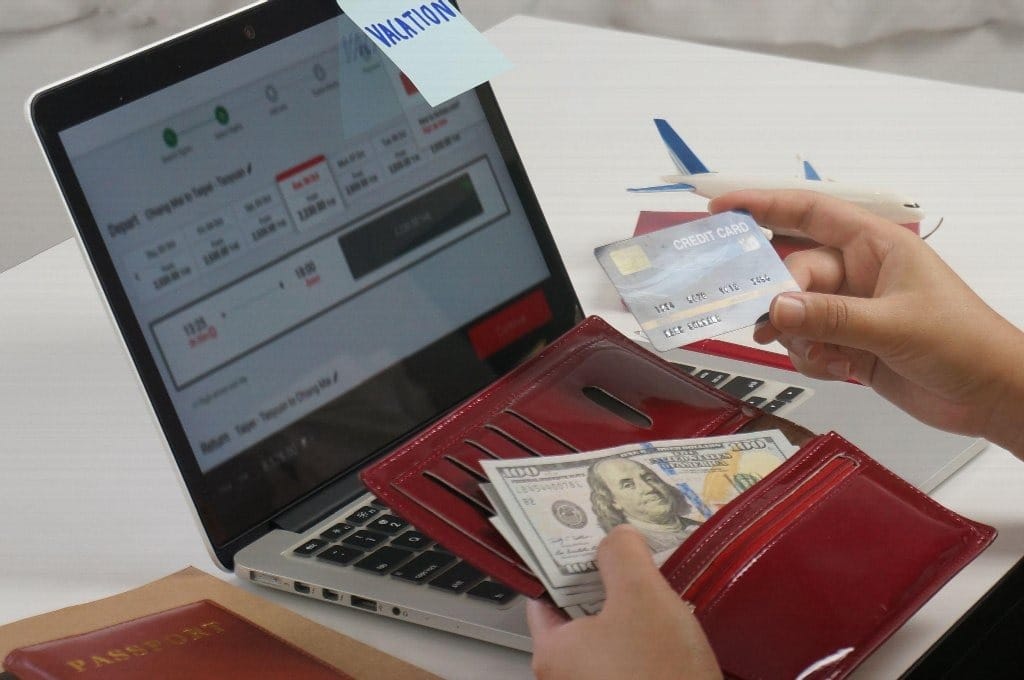
The screen where a booking is won or lost
A traveler can find the perfect flight and still walk away at the last screen. It happens for small, human reasons: their preferred payment method is missing, the price suddenly appears in a foreign currency, or the steps feel unfamiliar and they lose confidence. In a market with this many payment habits, a rigid checkout is not a minor flaw — it is a leak.
Jefry Widianata, Chief Product Officer at Airpaz, says the payment screen deserves as much design attention as the search itself.
"People obsess over the moment you find a cheap fare," Widianata says. "But the moment that actually decides whether a trip happens is the payment screen. If a traveler cannot pay the way they already pay, in their own currency and language, the best fare in the world is useless to them."
Treating the last step as the product
The answer, in Airpaz's case, is to make the checkout bend to the traveler instead of the other way around. The platform accepts more than 100 payment methods — from cards and bank transfers to QRIS, e-wallets, PayLater, and more — and lets people pay in over 60 currencies, across 38 languages. And whichever airline sits behind that fare — a low-cost seat on AirAsia, Scoot or Cebu Pacific, or a full-service ticket on Singapore Airlines, Garuda Indonesia or Thai Airways — the last step meets the traveler the same way. The aim is that almost no one reaches the final step and finds their usual way of paying is not there.
It also treats the parts that come after payment as part of the same experience. Rescheduling, refunds, and special requests are handled on a single page, and support is available around the clock in several languages — so a change of plans does not turn into a second problem.
For Widianata, this is the whole philosophy, not a feature list. "Payment is not a technical afterthought bolted on at the end," he says. "It is the product. Every method we add, every currency, every one-page refund is really about the same thing — removing a reason for someone to give up."
He is careful about what that does and does not promise.
"A smooth checkout does not make a fare cheaper, and it never should pretend to," he says. "What it does is make sure that when a traveler has found a price they are happy with, nothing trivial stands between them and actually booking it."
That is where Airpaz puts its focus. It cannot change what an airline charges, but it can make sure the last screen — the one where trips are so often lost — feels effortless, local, and built around how the region already pays.