


In an industry filled with gleaming lobbies and thread-count claims, The Ritz-Carlton has managed something far more elusive than marble or Michelin stars: enduring trust. For more than a century, the brand has stood as shorthand for gracious service and discreet luxury, influencing how five-star hotels operate from New York to Tokyo. Travelers routinely use Ritz-Carlton as a benchmark to judge other high-end stays, and executives from hospitals, banks, and airlines study the company’s methods to improve their own service. Understanding how Ritz-Carlton earned this reputation reveals not only how luxury hospitality works at its best, but also what today’s travelers can expect when they check in.
Get the latest updates straight to your inbox!
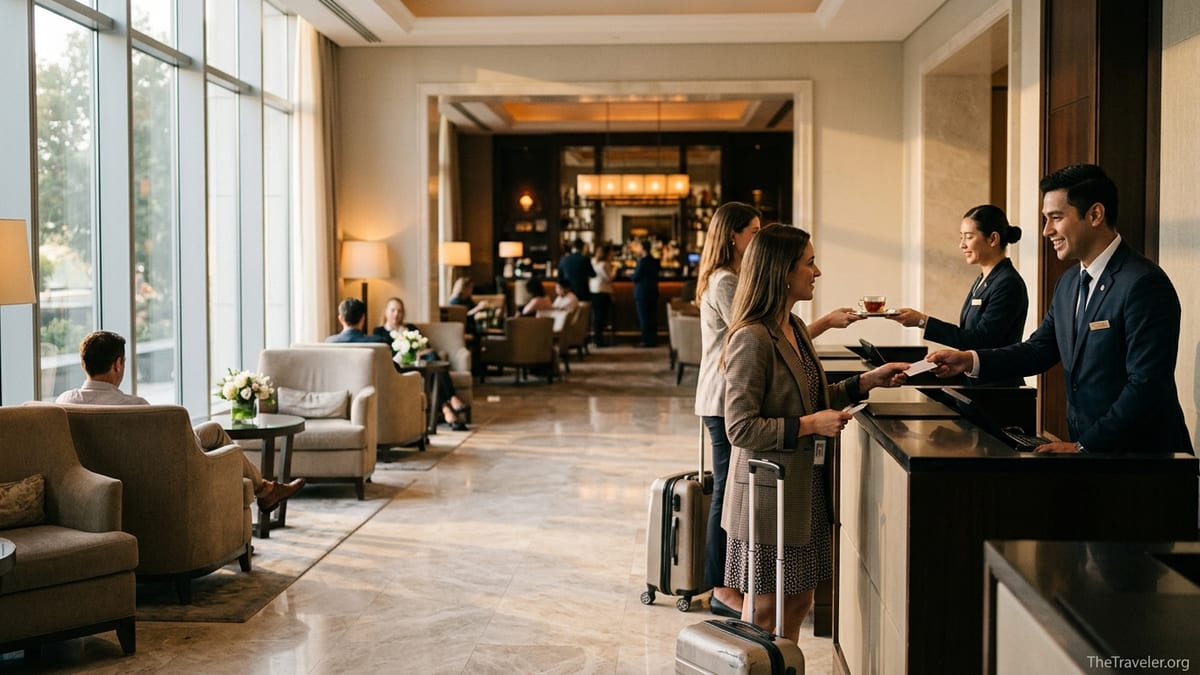
From César Ritz to a Global Luxury Icon
The Ritz-Carlton story begins with the vision of Swiss hotelier César Ritz, whose ideas reshaped early 20th-century luxury in Europe. While today’s Ritz-Carlton Hotel Company is a modern organization within Marriott International, it still traces its cultural roots to that original concept of refined comfort: elegant surroundings, privacy, and staff who anticipate needs rather than simply react. When the first Ritz-Carlton hotels appeared in the United States in the early 1900s, they stood out not just because of chandeliers and silver service, but because they treated hotel stays more like private club experiences than simple lodging.
That philosophy evolved through the late 20th century as the current Ritz-Carlton Hotel Company was formed and expanded. Under leaders like Horst Schulze, the company sharpened its focus on service culture, famously adopting the motto “We are ladies and gentlemen serving ladies and gentlemen.” Today the brand operates dozens of properties worldwide, from urban towers in cities such as Tokyo and New York to coastal retreats in places like Laguna Niguel and the Maldives. Despite being part of a vast global portfolio, Ritz-Carlton maintains its own training systems, service rituals, and performance standards that guests quickly recognize, whether they are checking into The Ritz-Carlton, Kyoto or The Ritz-Carlton, Dallas.
Over the decades, that consistency has been validated by some of the most respected quality and travel organizations. The Ritz-Carlton Hotel Company has been a two-time recipient of the Malcolm Baldrige National Quality Award, one of the United States’ highest recognitions for performance excellence in business operations. In the travel world, individual properties frequently appear in rankings from Forbes Travel Guide, Condé Nast Traveler, and Travel + Leisure, reinforcing the perception among frequent travelers that the brand is more than marketing language. It is a system that has been inspected, measured, and repeatedly awarded.
The Power of the Gold Standards Culture
At the center of Ritz-Carlton’s reputation is a carefully codified culture known internally as the Gold Standards. These include the company’s credo, its well-known motto, three basic steps of service, and a set of service values carried by employees on a small “credo card” that forms part of the uniform. Rather than being framed on a wall and forgotten, these standards guide daily decisions, from how a bell attendant addresses a guest in Boston to how a pool attendant in Abu Dhabi handles a complaint about a missing towel.
One of the most distinctive rituals is the Daily Lineup, a short pre-shift meeting that takes place across the company’s hotels. In these sessions, staff review a specific service value, hear a real “wow story” about how a colleague surprised and delighted a guest, and share operational updates. A room attendant in Istanbul may hear about a server in Barcelona who arranged a last-minute anniversary celebration in a fully booked restaurant, or a concierge in Toronto who tracked down a lost childhood book for a frequent guest. These stories become living case studies, reinforcing what “Ritz-Carlton service” looks like in concrete, memorable terms.
That obsession with culture extends to hiring and training. Orientation for new employees involves not only brand history and technical skills but deep immersion in the service philosophy. Former staff often describe memorizing the credo and service steps and being expected to recite them on demand. For travelers, the result is palpable: interactions feel warm but purposeful, and staff in very different roles, from housekeeping to management, speak a consistent language about guest care. Even when properties differ in architecture or design, the underlying behavioral script remains familiar.
Empowering Staff to Create “Wow” Moments
Ritz-Carlton’s approach to empowerment is one of the most cited reasons executives from other industries attend its Leadership Center programs. Employees at many hotels are told to “do their best,” but then must seek manager approval for even small gestures, creating frustration for staff and guests alike. Ritz-Carlton, by contrast, is known for granting front-line employees meaningful discretion to resolve problems and create special experiences within defined guidelines, supported by training and trust rather than rigid rules.
The impact of that empowerment shows up in day-to-day details. At a seaside resort, for example, a room attendant who notices that a family’s beach toys are cracked or broken might proactively arrange for a small set of new buckets and shovels to be waiting in the room, accompanied by a handwritten note. At an urban business hotel, a front desk agent who learns that a guest’s luggage has been delayed might quietly arrange for a pressed shirt and basic toiletries to be delivered before the guest’s morning meeting, without requiring multiple manager approvals. In both cases, what could have been a minor disappointment becomes a story the guest is likely to share.
Travelers regularly recount examples of Ritz-Carlton staff going beyond typical expectations: a chef preparing off-menu meals for guests with complex allergies without complaint, or a concierge team coordinating the return of a forgotten laptop across continents so a guest can present at a crucial meeting. While other luxury brands also offer strong service, the consistency with which such “wow moments” occur at Ritz-Carlton properties, from Doha to Denver, reflects institutional design rather than individual heroics. The system assumes that empowered employees, equipped with clear values, are the best insurance policy for guest satisfaction.
Service Recovery as a Competitive Advantage
No hotel, however polished, is immune to service failures. Flights arrive late, air-conditioning units malfunction, and restaurant reservations get lost. What distinguishes Ritz-Carlton in the minds of many travelers is not an absence of problems, but the way those problems are handled. The company has spent decades refining a structured approach to what it calls service recovery, turning incidents into opportunities to rebuild trust and strengthen loyalty.
Ritz-Carlton closely tracks guest incidents and resolutions, analyzing response patterns and guest feedback. Training programs emphasize that the first response to a complaint should be empathetic listening, followed by ownership: the employee who hears about the issue remains responsible for seeing it resolved, rather than passing the guest from department to department. A front desk associate who learns that a room smells of smoke, for example, will not only arrange a room move but also coordinate housekeeping, amenities, and follow-up, so the guest experiences a single coherent response instead of a fragmented one.
Concrete examples of successful service recovery are frequently shared in internal training and public case studies. In one often-cited scenario from a beachfront property, a child’s beloved stuffed animal was left behind. Rather than simply mailing it back, the team photographed the toy enjoying various “activities” at the resort before sending it home with a small album and note. What could have remained a source of anxiety became a charming family story that strengthened the emotional connection to the brand. These recoveries are not accidental; they are the product of clear expectations, measurement, and a culture that treats errors as chances to demonstrate care.
Personalization Through Data and Memory
While the term “personalization” is widely used in hospitality, Ritz-Carlton’s version is rooted in a long-standing practice of recording and sharing guest preferences in a system sometimes referred to as Mystique. This knowledge management approach collects details such as pillow preferences, favorite table locations in the restaurant, or special occasions like anniversaries, then makes them accessible to staff across stays and properties. For frequent travelers who return to the brand, it can feel as if the hotel has a remarkably good memory.
Consider a guest who often books club-level rooms at The Ritz-Carlton, Hong Kong and always requests a quiet corner table at breakfast and extra sparkling water. On a later trip to The Ritz-Carlton, Vienna, the club lounge staff might proactively offer that quieter corner and ensure the room minibar is stocked with sparkling water prior to arrival. The guest receives thoughtful touches without needing to repeat requests, creating a sense of being recognized rather than processed. For business travelers juggling time zones, or families arriving jet-lagged with children, that feeling of being expected, not merely accommodated, can be the defining difference between a good and an exceptional stay.
This memory extends to special occasions as well. Guests celebrating milestone birthdays or anniversaries may find that details they casually mentioned months earlier resurface in the form of a favorite dessert appearing at turndown or a framed photo from an earlier visit placed in the room. While these gestures are not guaranteed, they occur frequently enough that many loyal guests plan their most important celebrations, from proposals to multigenerational reunions, at Ritz-Carlton properties specifically because they trust the brand to handle nuance and sentiment with care.
Consistent Luxury Across Very Different Properties
Unlike brands that rely on a single design template, Ritz-Carlton operates a wide range of property types, from glittering city hotels to island resorts and alpine retreats. What remains constant is the service philosophy and core quality standards, while the expression of luxury adapts to the setting. For travelers, this means they can expect certain non-negotiables everywhere, such as attentive staff, high housekeeping standards, and a focus on comfort, even as the view from the room might shift from Hong Kong’s skyline to Bali’s rice terraces.
In major financial centers, Ritz-Carlton properties typically emphasize efficiency and discretion. At The Ritz-Carlton, Tokyo, for instance, club-level guests might pay nightly rates that can reach into the high hundreds or low thousands of US dollars during peak periods, in return for access to a private lounge with all-day dining, meeting space, and concierge assistance that shortens check-in and check-out. In resort destinations such as The Ritz-Carlton Maldives, Fari Islands, rates can rise significantly higher, reflecting the cost of secluded villas, overwater pavilions, and intensive staffing levels required to maintain privacy and personalized activities, from private snorkeling trips to chef-led beach dinners.
Even within the same brand, service nuances adapt to local culture. A Ritz-Carlton in the Middle East might offer more elaborate welcome rituals with traditional coffee and dates, while a property in Northern Europe might emphasize understated, quietly efficient interactions. Yet across these variations, guests still notice common patterns: staff who introduce themselves by name, who remember details across the stay, and who consistently follow through on requests. That recognizable backbone of service is one reason frequent travelers describe Ritz-Carlton as a “safe bet” when booking in an unfamiliar city.
Beyond Hotels: The Ritz-Carlton Leadership Center
Another reason Ritz-Carlton is so widely respected is that its expertise has been studied and applied far beyond hotel walls. The Ritz-Carlton Leadership Center, a consulting and training arm, works with organizations ranging from hospitals and banks to universities and technology companies. These clients are less interested in how to fold duvet corners and more interested in how Ritz-Carlton recruits, trains, measures, and empowers people to deliver consistently high service in complex environments.
Programs from the Leadership Center often focus on translating concepts like the Gold Standards, Daily Lineup, and service recovery into other industries. A hospital, for instance, might adapt the idea of “ladies and gentlemen serving ladies and gentlemen” to reinforce respect between doctors, nurses, and patients, or design its own version of a credo card to keep values tangible. A retail bank might borrow the practice of sharing daily “wow stories” to highlight exceptional client care in branches, making culture visible rather than theoretical.
The fact that companies will invest in bringing Ritz-Carlton trainers to their own headquarters, and that business schools feature case studies on the brand’s operations, has reinforced its prestige. For many executives, Ritz-Carlton represents a real-world laboratory of what customer-centric culture looks like when it is not just a slogan. For travelers, this external recognition can act as a reliability signal: a reminder that the systems shaping their stay have been examined and emulated by demanding audiences.
The Takeaway
Ritz-Carlton did not become one of the most respected names in luxury hospitality simply by adding more marble or increasing room sizes. Its reputation rests on a disciplined service culture, a clear sense of purpose, and the daily behavior of thousands of employees across dozens of countries. From the Gold Standards and Daily Lineup to empowerment and service recovery, the company has turned the intangible idea of “hospitality” into a repeatable practice that travelers can feel when a server remembers their favorite tea or a housekeeper quietly arranges a child’s stuffed animal on the pillow.
For travelers choosing where to spend their money and milestones, understanding what stands behind the Ritz-Carlton name can help set realistic expectations. Not every stay will be flawless, and experiences can vary by property and region, especially as ownership structures and market pressures evolve. Yet the brand’s long-standing commitment to training, measurement, and culture means that, on balance, guests are more likely to encounter thoughtful gestures, proactive solutions, and a sense that their comfort truly matters.
In a world where many hotels compete on design trends and loyalty points, Ritz-Carlton’s sustained emphasis on human interaction and respect remains its strongest competitive advantage. Whether a guest is arriving at a city hotel for a one-night business trip or flying across the world for a long-awaited anniversary at a beach resort, the promise is the same: to be treated as a valued individual, not just a reservation number. That promise, honored consistently over time, is what has turned Ritz-Carlton from a historic name into a living benchmark for luxury hospitality.
FAQ
Q1. What makes Ritz-Carlton different from other luxury hotel brands?
The key difference is a deeply embedded service culture built around the Gold Standards, Daily Lineup rituals, and strong employee empowerment, which together create a higher likelihood of personalized, proactive service across very different properties worldwide.
Q2. Are Ritz-Carlton hotels always the most expensive option in a city?
Not always, but they are typically priced in the upper tier of the market. In major cities, nightly rates often sit alongside other top brands, and can vary widely depending on season, room type, and local competition.
Q3. How does Ritz-Carlton handle problems during a stay?
The brand invests heavily in service recovery training. Staff are expected to listen carefully, take ownership of the issue, coordinate a resolution, and often add a thoughtful gesture that shows the guest’s inconvenience is genuinely recognized.
Q4. Is the Ritz-Carlton experience consistent across all locations?
Core elements like respectful interactions, attention to detail, and cleanliness are strongly emphasized everywhere, but design, cultural nuances, and even the strength of execution can vary by property, management, and local market conditions.
Q5. Do you need to stay in a suite or club-level room to experience the best service?
Club-level rooms offer added benefits such as lounge access and dedicated concierges, but the core service philosophy applies to all guests, whether they book an entry-level room or a top suite.
Q6. How does Ritz-Carlton personalize stays for repeat guests?
The company uses guest preference records to remember details like pillow types, favorite drinks, and special dates, allowing staff at different properties to anticipate needs and create small, tailored touches without being asked each time.
Q7. Are Ritz-Carlton hotels suitable for families with children?
Yes. Many properties offer family-friendly programs, kids’ clubs, and connecting rooms, and staff are generally trained to accommodate young guests with amenities such as child-size robes, kids’ menus, and flexible housekeeping times.
Q8. How does the Ritz-Carlton Leadership Center relate to hotel guests?
The Leadership Center shares the brand’s service practices with other organizations. While guests rarely interact with it directly, the same tools and ideas taught to outside companies underpin the service culture they experience in the hotels.
Q9. Has the quality at Ritz-Carlton changed since joining a larger hotel group?
Some frequent travelers feel standards vary more today than in the past, especially across different regions, but many properties still deliver the high-touch, detail-oriented service that built the brand’s reputation.
Q10. Is a Ritz-Carlton stay worth the premium price for most travelers?
For travelers who value attentive, relationship-focused service and are likely to use amenities such as concierge assistance, club lounges, and on-site dining, the brand’s consistency and service recovery approach often justify the higher nightly rates.