


Choosing a true luxury hotel today is more complex than simply picking a famous name. The Ritz-Carlton brand still carries serious cachet, but nightly rates that often start around several hundred dollars mean travelers are right to ask whether the experience lives up to the reputation. If you are planning a special-occasion trip or simply want to upgrade your next getaway, understanding what Ritz-Carlton actually delivers in 2026 can help you decide if it should be your next luxury hotel choice.
Get the latest updates straight to your inbox!
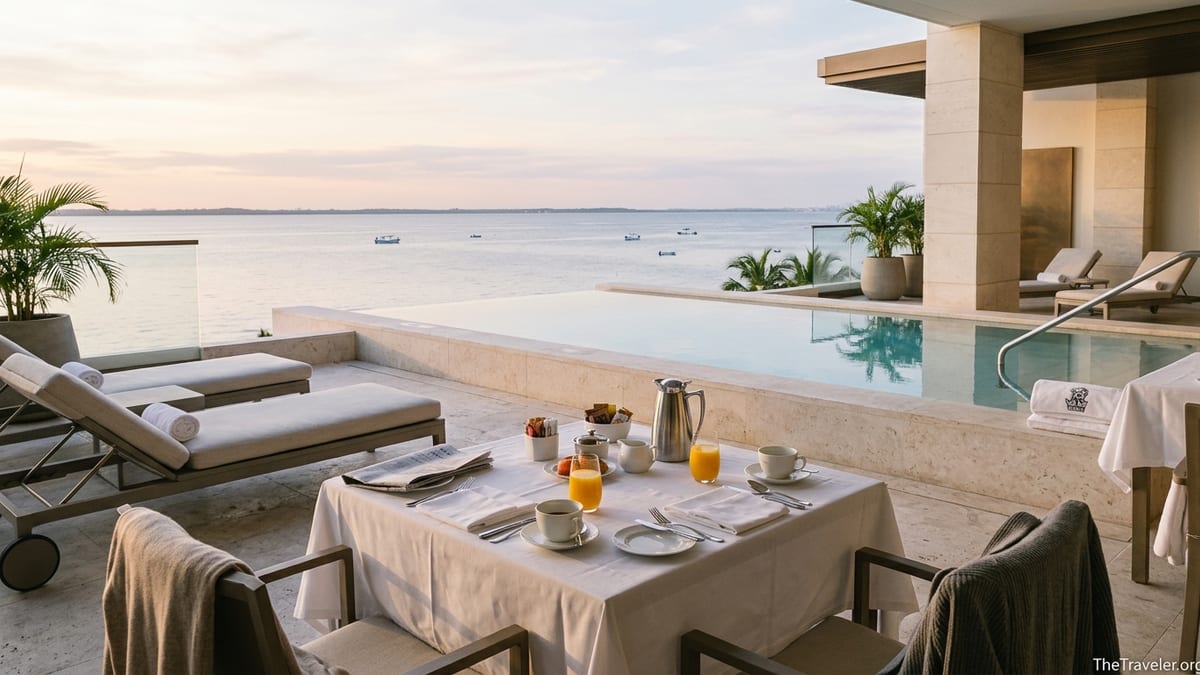
The Ritz-Carlton Brand in 2026: What It Actually Represents
Ritz-Carlton sits in the classic luxury tier of Marriott Bonvoy’s portfolio, with nearly 100 hotels worldwide and a growing footprint in gateway cities and resort destinations. In North America, you will find the brand in places such as New York, San Francisco, Dallas and Miami, while internationally it appears in hubs like Tokyo, Hong Kong and Vienna. Separate from the core hotels, Ritz-Carlton Reserve properties form a boutique, ultra-luxury offshoot with just a handful of highly individualized resorts.
Recent openings and renovations show how the brand is evolving rather than standing still. The Ritz-Carlton, Portland, which opened in a 35-story tower downtown, has been positioned as a symbol of that city’s post-pandemic resurgence, pairing Pacific Northwest-inspired design with a full-service spa and skyline views. In Texas, The Ritz-Carlton Dallas, Las Colinas reopened after a renovation reported at roughly 55 million dollars, with refreshed rooms and public spaces that aim squarely at modern luxury travelers.
On the resort side, the company has been investing heavily in its most exclusive offerings. Nujuma, a Ritz-Carlton Reserve on Saudi Arabia’s Red Sea coast, began welcoming guests in 2024 as an overwater-villa retreat, while Nekajui, a Ritz-Carlton Reserve in Costa Rica’s Peninsula Papagayo, opened in early 2025 and quickly appeared on lists of notable new luxury hotels. These developments suggest that if you are considering Ritz-Carlton today, you are buying into a brand that is still expanding and attempting to define the upper end of the market.
The brand’s reputation remains tightly linked to service, even as the broader luxury hotel sector experiences some unevenness. Forbes Travel Guide has consistently given Five-Star ratings to several Ritz-Carlton properties, including long-running standouts like The Ritz-Carlton, Toronto and The Ritz-Carlton, San Francisco, indicating that at least many flagship locations still meet stringent, anonymous inspection standards for high-touch hospitality.
What a Stay Feels Like: Service, Rooms, and Public Spaces
Ritz-Carlton’s service culture is built on a well-known philosophy that empowers staff to solve guest problems creatively. Industry coverage has highlighted how employees are authorized to spend up to roughly 2,000 dollars per incident to “rescue” a guest experience, whether that means sourcing a last-minute birthday cake, arranging an urgent same-day laundry fix, or covering a car service when a transfer goes awry. In practice, travelers at properties like The Ritz-Carlton, San Francisco often report a level of anticipatory service that includes staff remembering names, preferences and small details over the course of a stay.
Room design varies widely between older city hotels and newer resorts, but the baseline is still plush bedding, marble-heavy bathrooms and generally generous space by urban standards. A typical entry-level room at The Ritz-Carlton New York, Central Park, for example, will offer a king bed, a separate soaking tub and shower, and soundproofing sufficient to mute most city noise. At resort properties like The Ritz-Carlton, Bali, even standard rooms often include balconies with partial ocean or garden views, and suites and villas can add outdoor plunge pools or private pavilions.
Public spaces are a key part of the brand’s promise. Lobbies tend to be grand without feeling sterile, and many hotels use local art and materials to ground the design in place. After a roughly 100 million dollar upgrade, The Ritz-Carlton Key Biscayne near Miami refreshed its lobby with more light, contemporary furnishings and larger windows that emphasize the beachfront setting rather than the formality that once defined the property. These updates reflect a broader move away from old-world, dark-wood luxury to something brighter and more resort-like.
Dining and bar concepts also play a growing role in how a stay feels. At The Ritz-Carlton in Uptown Charlotte, for instance, a new cocktail lounge and cafe project backed by Steph and Ayesha Curry is in the works, signaling an attempt to draw in locals as well as overnight guests. In many cities, hotel restaurants now compete directly with stand-alone venues, so you can realistically expect modern menus, craft cocktails and thoughtful wine programs rather than generic “hotel food.”
What It Costs: Rates, Value, and When Ritz-Carlton Makes Sense
In most markets, Ritz-Carlton commands premium pricing. In major US cities, entry-level rooms often start in the 500 to 800 dollar per night range before taxes and fees during popular dates, and it is not unusual to see rates push above 1,000 dollars for peak holidays or big events. For example, a random midsummer weekend at The Ritz-Carlton New York, NoMad can easily show nightly rates north of 900 dollars, while The Ritz-Carlton, Los Angeles may price in a similar band when a major sports event or awards show is in town.
Resort properties can climb even higher, particularly in remote or ultra-luxury destinations. Overwater villas at Nujuma, a Ritz-Carlton Reserve in the Red Sea, or beachfront suites at Nekajui in Costa Rica often price in the four-figure range per night, and top-tier accommodations at these locations can run several thousand dollars when fully loaded with taxes and service charges. More accessible resorts, like The Ritz-Carlton, Cancun or The Ritz-Carlton, Aruba, sometimes dip to the upper 300s or low 400s per night in shoulder seasons, especially midweek, but still represent a significant spend for most travelers.
Value at this level is highly subjective. If you are celebrating a honeymoon, milestone birthday or once-in-a-decade family trip, the benefits of smooth, polished service and a beautifully maintained environment may fully justify the cost. For a quick business trip where you are arriving late and leaving early, paying a substantial premium over nearby upscale competitors like JW Marriott, Conrad or Grand Hyatt may not provide as much incremental benefit, especially if you will barely see the property beyond your room and the lobby.
One practical way to assess value is to compare total trip costs and inclusions. A city Ritz-Carlton charging 700 dollars per night before resort or destination fees, with breakfast and parking priced separately, might end up more expensive than an all-inclusive luxury resort elsewhere that covers meals, drinks and activities. On the other hand, if you book a Ritz-Carlton with a club level that includes breakfast, evening hors d’oeuvres and soft drinks throughout the day, the effective value can increase substantially for travelers who would otherwise eat and drink entirely on property.
Loyalty and Club Level: How Much Do Marriott Bonvoy Benefits Help?
Because Ritz-Carlton is part of Marriott Bonvoy, members can earn and redeem points across the portfolio, including at most Ritz-Carlton hotels. This makes the brand especially attractive if you already hold a Marriott credit card or accumulate points through frequent business travel. Redeeming points for a two-night stay at a high-demand property, such as The Ritz-Carlton, Tokyo or The Ritz-Carlton, Half Moon Bay, can offset cash rates that might otherwise feel unattainable.
However, elite benefits at Ritz-Carlton are more limited than at some other Marriott brands. While Platinum, Titanium and Ambassador elites may receive room upgrades based on availability, complimentary breakfast at most Ritz-Carlton properties is not a standard elite benefit. This can come as a surprise to travelers used to generous breakfast and lounge access at brands like JW Marriott or Westin, and it narrows the value proposition for those relying heavily on elite perks to stretch their travel budget.
The separate Ritz-Carlton Club Level is often misunderstood. It is not included automatically with elite status and generally must be purchased as a specific room type or added as a paid supplement. In return, club lounges typically provide a quiet, staffed space with multiple daily food presentations, dessert and drinks, along with dedicated concierge assistance. At properties such as The Ritz-Carlton, Hong Kong or The Ritz-Carlton, Vienna, travelers who plan to spend significant time at the hotel and make full use of the lounge sometimes describe club access as worth several hundred dollars a day in perceived value.
Ritz-Carlton Reserve properties play by slightly different rules within Marriott Bonvoy. You can usually earn and redeem points, but certain standard elite perks, including complimentary upgrades and late checkout, may not apply or may be more restricted. If you are primarily choosing a Ritz-Carlton stay to maximize elite treatment, it is important to read the fine print for the specific property you are considering rather than assuming all Marriott-wide benefits will be honored in the same way.
How Ritz-Carlton Compares to Other Luxury Brands
When deciding whether Ritz-Carlton should be your next luxury hotel choice, comparison is unavoidable. In many cities and resort areas, the brand competes directly with Four Seasons, Rosewood, Park Hyatt, and at times upper-tier St. Regis or Waldorf Astoria properties. Each has its own personality. Four Seasons tends to lean into understated, service-forward luxury with less overt branding and no large points program. Park Hyatt often attracts design-conscious travelers who prefer a slightly more contemporary aesthetic, while St. Regis positions itself as classically glamorous, with butler service in many locations.
In practice, Ritz-Carlton often lands in the middle of this pack on both price and experience. For instance, in a destination like Bali, The Ritz-Carlton, Bali might price below the most exclusive independent resorts and some Four Seasons villas, yet above larger, more mass-market five-star options. In cities such as Toronto, where both Ritz-Carlton and Four Seasons operate, rates can be relatively similar, leaving factors like location, spa facilities and personal design preference to tip the scales.
Ritz-Carlton’s integration into Marriott Bonvoy is both an advantage and a trade-off. The ability to earn and spend points on expensive stays is a significant perk compared with independent luxury hotels. At the same time, some frequent travelers and even hotel insiders have voiced concerns that certain properties feel more like high-end business hotels than intimate grand-dame addresses, citing cost pressures and standardized brand requirements. This does not describe every hotel in the portfolio, but it is a reminder that you should not assume uniform excellence across the board.
Ultimately, the best comparison is often between specific properties rather than abstract brands. For a long-weekend in San Francisco, you might weigh The Ritz-Carlton, San Francisco, with its hilltop Nob Hill location and classic interiors, against the Four Seasons or a stylish independent hotel downtown. In Miami, you could compare The Ritz-Carlton Key Biscayne’s beach resort setting against a sleek oceanfront property in South Beach. The right answer depends on whether you prioritize traditional service, loyalty benefits, location, design or nightlife.
Trends, Critiques and Environmental Questions
Like much of the luxury hotel sector, Ritz-Carlton faces mixed sentiments as travel demand has surged back. On one hand, professional inspectors continue to award high marks and travelers regularly share stories of staff going out of their way to salvage delayed flights, special anniversaries or medical mishaps. On the other, online discussions feature guests questioning whether service at some five-star properties, including certain Ritz-Carltons, feels thinner than it did a decade ago, with stretched staff and higher prices contributing to a perception that not every stay feels truly exceptional.
Renovations across the portfolio reflect both an attempt to stay competitive and the financial realities of operating in a crowded market. The reopening of properties like The Ritz-Carlton Dallas, Las Colinas and the refreshed Key Biscayne resort after major capital projects indicate that ownership groups are still willing to invest heavily where they see long-term demand. Travelers who choose recently renovated hotels are more likely to encounter the brand at its best, with updated technology, refreshed decor and improved food and beverage venues.
Environmental and social considerations are increasingly influencing how travelers evaluate luxury brands. Ritz-Carlton’s expansion into highly sensitive environments has drawn scrutiny. The planned Ritz-Carlton Maasai Mara Safari Camp in Kenya, for example, sparked a high-profile land-use and environmental dispute in 2025 amid concerns about wildlife impacts and community involvement. At the same time, projects like Nujuma in the Red Sea, which are part of larger sustainable development initiatives claiming strong conservation goals, aim to position the brand as part of a new generation of eco-aware luxury resorts.
If sustainability and local impact are important to you, it is worth reading beyond the marketing language for any specific property and seeking independent reporting or local perspectives. Some travelers may feel comfortable choosing resorts that participate in formal conservation and community programs, while others may prefer city hotels or established resorts in less fragile environments. Ritz-Carlton, like many global luxury brands, operates across this full spectrum, so responsible choices are possible but not automatic.
When Ritz-Carlton Is (and Is Not) the Right Choice
Ritz-Carlton tends to be a strong fit for travelers who prioritize consistent, polished service; enjoy a traditional sense of luxury; and either value or actively use the Marriott Bonvoy ecosystem. If you are planning a once-in-a-lifetime celebration, such as a milestone birthday in Costa Rica or an anniversary city break in Europe, booking a standout Ritz-Carlton or Ritz-Carlton Reserve can provide the combination of reliability and special-occasion atmosphere that makes the splurge feel worthwhile.
It can also be a smart choice for frequent business travelers whose companies negotiate favorable corporate rates. In that scenario, you might enjoy larger-than-average rooms, high-quality bedding, quiet workspaces and strong concierge support for restaurant reservations and logistics without personally shouldering the full cost. Over time, the points earned on those stays can translate into free nights at aspirational leisure properties, turning work trips into future vacations.
On the other hand, Ritz-Carlton may not be the ideal option if your travel style leans toward small, highly individual boutique hotels with distinct local character. While some Ritz-Carltons do a good job of reflecting their surroundings through art, cuisine and design, the brand standard inevitably introduces a certain degree of sameness. Budget-conscious travelers who are mainly looking for clean, modern rooms and a convenient base will almost certainly find better value at upscale competitors that price lower but still deliver many of the same core comforts.
Parents of young children should also consider what kind of environment they want. Many Ritz-Carlton resorts offer kids’ clubs and family-friendly programming, and staff are generally extremely accommodating. Still, the overall tone is often quiet and refined. Families seeking loud pool parties, water parks or all-inclusive buffets might feel more at ease at brands explicitly geared toward that style of vacation, while those who want a calmer, more structured experience may appreciate the brand’s approach.
The Takeaway
Ritz-Carlton remains a heavyweight in the global luxury hotel scene, particularly for travelers who appreciate classic service touches and the safety net of a major loyalty program. The brand’s best properties, from urban icons in North America to new Riviera and Red Sea resorts, deliver an experience that can feel genuinely special, especially when celebrating significant life moments or redeeming carefully saved points.
At the same time, rising room rates, more limited elite benefits and variability between individual hotels mean that Ritz-Carlton is no longer an automatic default for every luxury trip. The smartest approach is to evaluate specific properties side by side with their competitors, look closely at recent renovations and guest feedback, and decide how much you personally value the hallmarks of the brand: attentive staff, refined public spaces and a certain old-school glamour.
If those qualities match your expectations and the numbers make sense for your budget, Ritz-Carlton can absolutely be a rewarding next luxury hotel choice. If they do not, today’s travel landscape offers an unprecedented range of alternatives, from design-driven boutiques to equally polished competitors. Luxury in 2026 is less about any one logo on the door and more about aligning the right property with the trip you actually want to have.
FAQ
Q1. Are Ritz-Carlton hotels worth the higher nightly rates compared with other luxury brands?
Value depends on what you prioritize. If you care deeply about polished service, refined public spaces and earning or redeeming Marriott Bonvoy points, the premium can feel justified, especially at standout properties or recently renovated hotels. If you are mainly looking for a comfortable place to sleep, you may find better value at slightly less expensive upscale brands.
Q2. How much does a typical night at a Ritz-Carlton cost?
Prices vary widely by location and season, but in many major cities, entry-level rooms commonly fall in the 500 to 800 dollar per night range before taxes and fees. Resorts and ultra-luxury properties, especially Ritz-Carlton Reserve, can climb into the four-figure range per night, particularly for suites or villas during peak periods.
Q3. Do Marriott Bonvoy elites get free breakfast at Ritz-Carlton?
Generally, no. Unlike some other Marriott brands, complimentary breakfast is not a standard benefit for elites at most Ritz-Carlton hotels. While elites may receive room upgrades or late checkout when available, breakfast and club lounge access usually require booking specific room types or paying an additional fee.
Q4. What is the Ritz-Carlton Club Level and is it worth paying for?
Club Level is a separate, access-controlled lounge that typically offers multiple daily food presentations, drinks and a dedicated concierge. It can be worth the cost if you plan to spend significant time at the hotel and make the lounge your primary spot for breakfast, snacks and evening drinks. For travelers who spend most of the day out exploring, the added expense may be harder to justify.
Q5. How does Ritz-Carlton compare to Four Seasons and Park Hyatt?
Ritz-Carlton often occupies a similar price band but offers the advantage of Marriott Bonvoy points and partnerships. Four Seasons generally positions itself as slightly more understated and service-focused, with no points program, while Park Hyatt tends toward a more contemporary, design-led feel. The best choice usually comes down to specific properties, locations and your personal style preferences.
Q6. Are all Ritz-Carlton properties at the same quality level?
No. While brand standards set a baseline, there is real variation between hotels, especially between those that have been recently renovated and those awaiting upgrades. Some flagship properties consistently earn top ratings from professional inspectors, while others receive more mixed feedback from guests. It is important to research individual hotels rather than relying solely on the brand name.
Q7. What is the difference between Ritz-Carlton and Ritz-Carlton Reserve?
Ritz-Carlton Reserve is a smaller, ultra-luxury sub-brand featuring highly individualized resorts in remote or especially scenic locations. These properties tend to have fewer rooms, more bespoke service and higher prices than standard Ritz-Carlton hotels. While they participate in Marriott Bonvoy, certain typical elite perks may be more limited or handled differently.
Q8. Is Ritz-Carlton a good choice for families with children?
Often yes, particularly at resort properties that offer kids’ clubs, family pools and child-friendly activities. Staff are generally very accommodating to families. However, the atmosphere is typically more refined than at large all-inclusive resorts, so families seeking a loud, party-like environment might be happier elsewhere.
Q9. How environmentally responsible are Ritz-Carlton hotels?
Practices vary by property. Many hotels promote conservation and community initiatives, especially newer resorts, but some developments have faced criticism over environmental and land-use concerns. If sustainability is a priority, it is wise to look into the specific hotel you are considering and seek independent information about its impact.
Q10. When is Ritz-Carlton not the best choice?
Ritz-Carlton may not be ideal if you are on a tight budget, prefer small independent boutiques with strong local flavor, or rely heavily on extensive elite benefits like free breakfast at every stay. In those cases, you might find that other luxury brands or well-reviewed independent hotels offer a better mix of price, perks and personality for your needs.