


For many travelers, a night at a stadium show in London, a pop concert in Tokyo, or a summer festival in Barcelona is as important as visiting the city’s museums or historic sites. When it comes time to actually buy those tickets from overseas, countless travelers end up in the same place: Ticketmaster. Despite frequent criticism over fees and pricing, the platform has become a default choice for booking concerts and live events abroad, largely because it feels familiar, official, and comparatively safe in a landscape crowded with questionable sellers and ticket scams.
Get the latest updates straight to your inbox!
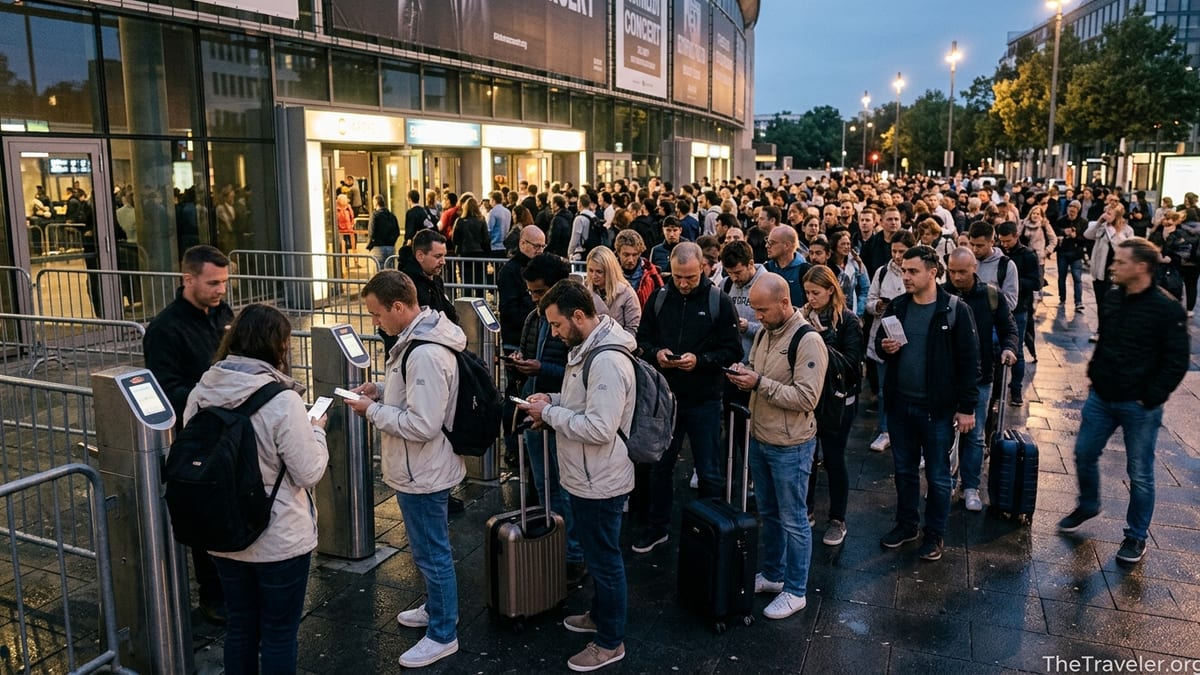
A Global Brand Travelers Recognize and Understand
One of the main reasons travelers use Ticketmaster overseas is simple recognition. The company has been a dominant force in ticketing since the 1990s and today operates or licenses platforms in markets from the United Kingdom and Ireland to Germany, Mexico, and Australia. In practical terms, this means that a traveler from New York planning a weekend in London or a backpacker heading to Mexico City will often encounter Ticketmaster when they search for official tickets to major arenas, stadiums, and large theaters. The brand name itself reassures many travelers who are wary of unfamiliar local ticket sites in a foreign language.
This reach keeps expanding. In June 2026, Olympia Events in London, one of the city’s most important redeveloped exhibition and live entertainment complexes, announced Ticketmaster as its official ticketing partner for all live events at the venue. That move adds another major European site to Ticketmaster’s portfolio and makes it even more likely that international visitors will be routed to Ticketmaster when they look for tickets to shows, conventions, or fan experiences hosted there. Travelers planning ahead from abroad often find that the “Buy tickets” button on venue or promoter websites redirects them straight to Ticketmaster’s international portal.
Ticketmaster’s presence is also strong beyond Europe. In Latin America, for example, Ticketmaster Mexico operates under Grupo CIE, the region’s leading live entertainment and venue operator, and handles ticketing for major concerts and festivals in Mexico City and other key cities. A U.S. traveler flying in for a stadium tour date at Foro Sol or a festival at Autódromo Hermanos Rodríguez is likely to be purchasing through Ticketmaster’s Mexican operation, often using the same account credentials and app they already use at home. That continuity reduces friction when you are already dealing with flights, hotels, and foreign currencies.
The combination of brand familiarity and official venue partnerships creates a reinforcing loop: when travelers search for a big tour date or festival abroad, they frequently see Ticketmaster as the official or exclusive outlet. They may not love every aspect of the experience, but they know roughly what to expect and trust they will receive a scannable, valid ticket rather than a screenshot of dubious origin.
Perceived Safety in a Market Full of Ticket Scams
For anyone buying from another country, the fear of getting scammed looms large. Fake sites that mimic Ticketmaster’s design, speculative listings for tickets that do not exist, and resale scams on social platforms are now common enough that security firms and cybersecurity blogs publish dedicated guides on how to spot ticket fraud. These guides usually repeat the same core message: buy only from official sellers and verified resale platforms and be suspicious of deals that look too good to be true. Many of them explicitly point to Ticketmaster’s primary marketplace and verified resale system as relatively safe options compared with random sellers on classified sites or unverified ticket pages.
Ticketmaster itself has responded to that environment by emphasizing security. The company says it has invested heavily in anti-bot technology, fraud detection, and systems that invalidate barcodes when tickets are transferred or resold outside official channels. It also runs public awareness campaigns warning people about common scams, such as sellers asking to be paid via gift cards or third-party payment apps and websites that claim to sell tickets before the official onsale. That educational messaging may be self-interested, but it does reflect real risks that increase when you are purchasing from another country with limited ability to challenge charges or show up at the box office early to resolve issues.
In practice, many travelers experience this safety advantage when something goes wrong. For example, if a concert in Paris is postponed after you have already flown from Toronto, Ticketmaster’s systems will typically process automatic refunds or credit options back to your original payment method, in line with the local promoter’s policies. If your account is compromised and someone tries to resell your tickets, customer support teams have tools to review transfers, cancel original barcodes, and reissue new ones. On unofficial resale sites or direct messenger deals, travelers rarely have that kind of recourse.
Cybersecurity companies that analyze ticket scams often advise travelers to type Ticketmaster’s address directly into the browser rather than clicking on search ads, and to verify that their account information and tickets only live inside the official app or website. They point out that modern phishing sites can imitate Ticketmaster’s look and feel so closely that it is difficult to identify them at a glance, which is another reason why many travelers prefer to start from a trusted venue or festival homepage and follow the official “Tickets” button through to Ticketmaster instead of relying on search engine ads or social media posts.
Ease of Use Across Borders: Accounts, Apps, and Currency
Beyond safety, familiarity and ease of use play an important role. Travelers who already have a Ticketmaster account in the United States or Canada can often log in to international Ticketmaster sites with the same email address and manage tickets in a similar-looking interface, even if some local features differ. The mobile app experience, in particular, tends to feel very similar whether a traveler is heading to a baseball game in Los Angeles or a stadium concert in Berlin. Your upcoming events, QR codes, and transfer options typically appear in the same place, which reduces stress when you are navigating an unfamiliar city or dealing with spotty roaming data outside the venue.
Currency can be another headache when purchasing events abroad. While Ticketmaster charges in local currency for most events and sometimes applies foreign transaction fees that depend on your bank, the checkout process generally shows the final price and local taxes clearly before you confirm. Travelers can then compare that final amount against their credit card’s real-time exchange rate. By contrast, some smaller local ticket agencies or resale websites may not provide transparent fee breakdowns or may charge in a different currency than advertised, leaving travelers unsure of what will actually appear on their statements once conversion fees are added.
Another practical convenience is language support. Many Ticketmaster country sites and apps offer at least partial English-language interfaces, especially around the checkout steps where address and billing information are entered. For instance, a traveler in Tokyo looking to attend a major Western artist’s show may still need to navigate some Japanese text around seating categories, but the payment screens and core navigation often default to English if your browser or phone settings indicate that language. Compared with smaller local platforms that operate solely in the local language, Ticketmaster’s multilingual support can mean the difference between confidently booking a ticket and abandoning the process halfway through.
Finally, the platform’s mobile-first approach benefits travelers who are unlikely to have access to printers abroad. Ticketmaster’s digital tickets, accessible via the app or mobile web, are designed to be scanned directly from a phone screen. For a tourist heading from a hotel to a metro to a venue, that is vastly simpler than hunting down a print shop in a foreign city or worrying about losing paper tickets in transit.
Official Partnerships With Major Venues and Festivals
Another reason so many travelers encounter Ticketmaster is because it sits behind the scenes as the official ticketing infrastructure for big-name venues and mass events. Stadiums hosting global tours, multipurpose arenas that see everything from local basketball games to world-famous rock bands, and sprawling convention centers often sign long-term contracts with ticketing providers. Ticketmaster is frequently that provider across North America, much of Western Europe, and parts of Latin America.
In London, for example, the announcement that Olympia Events is partnering with Ticketmaster means fans visiting for international exhibitions, esports tournaments, or live music will purchase through Ticketmaster’s system by default. In Mexico, Grupo CIE’s operations include Ticketmaster Mexico, which sells for venues such as Palacio de los Deportes and Foro Sol in Mexico City, both of which attract huge numbers of international fans for tours by artists like Coldplay or global festivals that bundle multiple headliners. In the United States and Canada, many NFL and NHL arenas that double as concert venues also rely on Ticketmaster’s technology, so travelers sometimes discover that the same login they use for a Taylor Swift show at home can help them navigate presales or mobile entry for another artist abroad.
This web of partnerships extends to festivals as well. While other platforms such as StubHub and viagogo have recently signed distribution deals with destination festivals like Ultra Europe in Croatia, Ticketmaster still handles a large share of primary sales for similar events around the world. Travelers researching multi-day festivals frequently land on Ticketmaster-hosted pages when they search for official weekend passes, VIP upgrades, or camping add-ons. When flights and accommodation are already expensive, many feel more comfortable tying the ticket portion of the trip to a company with established refund processes and clear event status updates.
The effect of these partnerships is that travelers often do not consciously choose Ticketmaster so much as follow the official flow created by event organizers. A visitor planning to see a Premier League club’s preseason concert series in the United Kingdom or a K-pop stadium show in Latin America will click through the club or promoter’s announcements and end up on Ticketmaster because that is who the venue trusts to manage access control, barcodes, and fan data. For time-pressed travelers, sticking with that official route generally feels safer than hunting for alternative sellers, even if competing platforms might occasionally offer better prices or seat locations.
Verified Resale and Last-minute Plans
Travel plans are often fluid. Flights get changed, conferences end early, or you hear about a big show only after you arrive in a new city. In those situations, Ticketmaster’s integrated resale marketplace can be a useful tool for travelers trying to secure a seat at the last minute without venturing into riskier corners of the internet. The platform’s fan-to-fan resale system, where available, cancels the original barcode and issues a new one to the buyer, which helps prevent the same ticket from being sold multiple times, a common scam on informal marketplaces.
Security experts who track ticket scams often underscore the value of this kind of verified resale, noting that speculative listings on unregulated sites can leave buyers holding invalid or nonexistent tickets. Because Ticketmaster controls the underlying ticket inventory for events it sells, its resale system can integrate directly with the venue’s access control. For travelers, that typically means that once a resale purchase clears, the new ticket appears in their own Ticketmaster account and app, rather than arriving as a PDF or screenshot that could have been copied and sent to multiple people.
There are also practical advantages around timing and support. Imagine a traveler in Berlin who discovers on a Thursday that their favorite band is playing a sold-out show on Saturday. Instead of meeting a stranger outside the venue and trusting a paper ticket, they can check Ticketmaster’s official resale tab for that event. Prices may be higher than original face value, especially for high-demand acts, but the buyer at least knows the ticket will be delivered through the same system that controls the venue’s scanners. If any issue arises on the night, venue staff and Ticketmaster customer support can see the ticket’s history and help resolve it.
Of course, verified resale does not neutralize all criticism. Some fans complain that prices in these official marketplaces can mirror the steep markups seen on third-party resale sites, and that the convenience and security premium effectively penalize budget-conscious travelers. But for visitors spending substantial money on flights and hotels to be in a city at a specific time, the assurance that a last-minute ticket is genuine can outweigh the frustration over high resale pricing.
Trade-offs: Fees, Pricing Controversies, and Limited Competition
No discussion of why travelers use Ticketmaster would be complete without acknowledging its downsides. The platform has long faced criticism for high service fees, nonrefundable convenience charges, and pricing structures that can push total costs far above the original face value advertised by artists or venues. In some high-profile cases, such as certain major stadium tours, fans have complained that so-called dynamic or variable pricing allowed some seats to reach several thousand dollars, particularly in premium rows and sections with high demand. While Ticketmaster often argues that artists and promoters control pricing, the controversy tends to attach to the platform, especially when checkout screens reveal large add-on fees.
Regulators have taken notice. In recent years, competition authorities and consumer protection agencies in the United States and other countries have scrutinized Ticketmaster and its parent company Live Nation for their market power in ticketing and live events. Legal complaints have alleged that the firm’s control over ticketing at key venues and its promotion and artist management businesses create barriers to entry for rivals. For travelers, the practical effect is that in many markets there are few alternatives at the primary ticketing stage. If a particular stadium in Madrid or arena in Dublin has an exclusive contract with Ticketmaster, a traveler must either buy through Ticketmaster or take their chances on secondary markets.
Some travelers respond by seeking out competitors where they exist. Companies such as SeatGeek in the United States and various European ticketing firms have grown by offering alternative ticketing solutions for teams and venues, sometimes winning contracts away from Ticketmaster. Others use aggregator tools that scan multiple platforms to compare prices and availability. Still, for a large share of big-ticket shows and festivals, particularly those that draw international audiences, Ticketmaster remains the main entry gate, which is why even travelers who dislike the company’s fee structure may still end up booking through it.
These trade-offs create a complex picture. Ticketmaster offers recognizable branding, international reach, and relatively robust security, but it often does so at a premium price and in markets where its dominance has limited the development of diverse competition. For travelers, the calculation often comes down to risk management: accept higher or less transparent fees in exchange for a lower chance of being scammed or turned away at the door, or chase cheaper deals through less regulated resale channels and hope that everything works as promised.
Practical Tips for Using Ticketmaster Abroad
Given these realities, travelers who choose to use Ticketmaster abroad can take several practical steps to make the experience smoother and safer. First, it is wise to start from official sources. Instead of typing the event name directly into a search engine and clicking on the first ad, navigate to the artist’s, festival’s, or venue’s official website and follow their “Tickets” link. This reduces the risk of landing on a fraudulent site designed to mimic Ticketmaster’s look, which cybersecurity analysts note are becoming harder to distinguish from the real thing.
Second, travelers should double-check the local Ticketmaster domain and language settings before entering payment information. A U.S. traveler booking a show in Paris, for instance, should make sure they are on the French Ticketmaster or affiliated site and that the event location and dates match their travel itinerary. If the site offers an English-language toggle, enabling it can help ensure key terms like “nonrefundable,” “restricted view,” or “mobile-only entry” are fully understood. Because refund and resale rules vary by country and event, reading the specific event policy page is particularly important when flights and hotels are involved.
Third, it is smart to set up two-factor authentication on the Ticketmaster account used for international purchases and to be skeptical of any unsolicited messages claiming to be from Ticketmaster support. Security guidance from both Ticketmaster and independent cybersecurity companies stresses that users should avoid clicking password-reset or ticket-transfer links received via unexpected emails or messages. Instead, log in directly through the app or by typing the address into a browser, then check for any alerts inside the account.
Finally, travelers should screenshot or download offline copies of their tickets once they appear in the app, especially if they anticipate patchy mobile data at the venue. While most Ticketmaster mobile tickets refresh dynamically, having confirmations and order numbers stored offline can make it easier to resolve any problems with venue staff. Arriving early is also critical, particularly at high-demand shows abroad where language barriers or unfamiliar entry procedures could slow things down.
The Takeaway
Ticketmaster’s prominence in the global live events landscape is not accidental. Through decades of partnerships with major venues, investment in digital ticketing infrastructure, and a concerted pitch around safety and verified resale, it has become the default gatekeeper for many of the concerts and festivals that travelers dream about attending abroad. For a visitor halfway around the world from home, that mix of familiarity and perceived security can be compelling, even when the platform’s fees and pricing practices generate frustration.
Travelers should approach Ticketmaster with clear eyes. The platform can provide a relatively safe and convenient path to see a bucket-list show in a foreign city, but it is not always the cheapest option and it is far from the only one. By understanding how and why Ticketmaster dominates certain markets, paying attention to security best practices, and comparing options where viable competitors exist, travelers can make informed choices about when sticking with the official channel makes sense and when it might be worth exploring alternatives.
FAQ
Q1. Is Ticketmaster safe to use when buying tickets for events abroad?
Ticketmaster is generally considered one of the safer options because it works directly with venues and uses secure digital tickets, but travelers should still avoid lookalike scam sites and always access their account through the official app or domain.
Q2. Will my Ticketmaster account from the United States work on international Ticketmaster sites?
In many cases you can log in with the same email address and manage tickets through a familiar interface, although some features, payment options, and event policies will vary by country.
Q3. Why are Ticketmaster fees so high on some international events?
Service and facility fees are usually set in agreement with venues and promoters, so they can be significant, especially for high-demand tours or festivals where dynamic or tiered pricing is used.
Q4. Can I trust Ticketmaster’s verified resale when I need last-minute tickets abroad?
Verified resale on Ticketmaster is generally safer than informal resale because the original barcode is canceled and a new one is issued to you inside your account, reducing the risk of duplicate or fake tickets.
Q5. How can I avoid Ticketmaster phishing and fake websites while traveling?
Type Ticketmaster’s address directly into your browser, start from official artist or venue pages, enable two-factor authentication, and be wary of unsolicited emails or messages with login or payment links.
Q6. Does Ticketmaster refund tickets if an overseas concert is canceled or postponed?
Refunds and credits depend on local laws and the event’s specific policy, but for official Ticketmaster purchases, cancellations are usually handled automatically back to the original payment method when refunds are authorized.
Q7. Can I use foreign credit cards on international Ticketmaster sites?
Most Ticketmaster country sites accept major international cards, though some may reject certain banks or require additional security steps, and your bank may add currency conversion or foreign transaction fees.
Q8. Is it cheaper to use alternative ticket platforms instead of Ticketmaster when abroad?
Sometimes rival platforms, local ticket agencies, or official fan clubs offer lower fees or different pricing, but availability varies and you should always weigh price savings against the risk of scams and weaker buyer protections.
Q9. What should I do if my Ticketmaster account is compromised while I am overseas?
Change your password immediately, enable two-factor authentication, review your recent orders for unauthorized transfers, and contact Ticketmaster support from within the official app or website for help recovering access and securing your tickets.
Q10. Do I need to print my Ticketmaster tickets when attending a show in another country?
Most events now use mobile tickets that are scanned directly from your phone, but you should check the event’s entry instructions in advance and download or save your tickets offline in case of connectivity issues.