


In an era when “luxury” is stamped on everything from airport lounges to budget-friendly chain hotels, the Waldorf Astoria name still carries a particular weight. It evokes liveried doormen on Park Avenue, society galas under glittering chandeliers, and the quiet efficiency of staff who seem to anticipate a guest’s needs before they are spoken. More than 130 years after the original New York property helped invent the modern grand hotel, Waldorf Astoria continues to define classic luxury hospitality by anchoring contemporary comforts in a deep sense of place, history, and ritual.
Get the latest updates straight to your inbox!
A Legacy That Shaped the Very Idea of Luxury Hotels
To understand why Waldorf Astoria still matters, you have to start in New York. The original Waldorf and Astoria hotels opened on Fifth Avenue in the 1890s, then reemerged in their current Park Avenue home in 1931 as what was, at the time, the tallest and one of the most technologically advanced hotels in the world. The building quickly became shorthand for high society: this was where U.S. presidents kept a de facto New York residence, where European royalty stayed on state visits, and where black-tie galas filled column inches in newspapers long before social media existed.
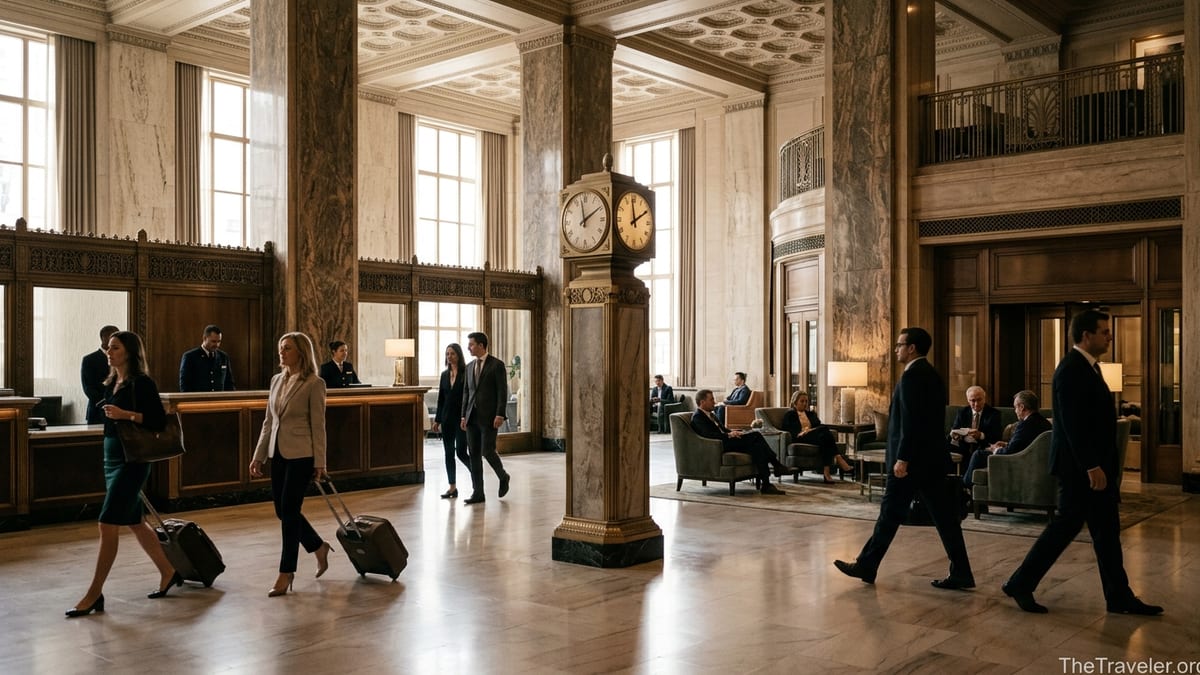
The Park Avenue icon closed in 2017 for a complete, multi-year restoration that would test whether a heritage brand could truly modernize without losing its soul. When the doors reopened in 2025 after an investment widely reported around 2 billion dollars, the hotel had been transformed from more than 1,400 rooms into just 375 keys, with the rest of the building turned into private residences. Public spaces such as the grand lobby, the famous clock, and the landmarked ballrooms were painstakingly restored, while the back-of-house infrastructure, guest rooms, and suites were rebuilt for the way high-end travelers live now, with larger footprints, better acoustics, and discreetly integrated technology.
For travelers, this history is not just trivia. Booking a weekend in one of the new Junior Suites on Park Avenue places you inside a living piece of New York’s cultural fabric. Rates that typically start around 1,200 to 1,500 dollars per night for standard accommodations and rise into the several thousands for signature suites reflect not only the address and hardware, but also the role the hotel continues to play as a backdrop for global diplomacy, film, and fashion. Many competitors can offer plush bedding and marble bathrooms, but very few can deliver the feeling of stepping into a narrative that has been building for nearly a century.
That narrative is replicated, in different accents, across the portfolio. When Hilton elevated Waldorf Astoria into a standalone brand, it leaned heavily on that New York story as a benchmark. Whether you are checking in at Waldorf Astoria Beverly Hills or Rome Cavalieri, a Waldorf Astoria Hotel, there is always some echo of Park Avenue in the formality of the welcome, the emphasis on public spaces, and the idea that a stay should feel like an event rather than just a transaction.
From Grand Ballrooms to Beach Villas: A Global Expression of Classic Luxury
Waldorf Astoria’s reputation endures partly because the brand has been selective in where it plants its flag. Rather than chase every new destination, it has focused on properties that can credibly support a sense of grandeur, whether urban or resort-style. In Los Angeles, for example, Waldorf Astoria Beverly Hills rises beside the Beverly Hilton at the intersection of Wilshire and Santa Monica Boulevards. Guests who book a King Deluxe room there, often priced in the 1,200 to 1,800 dollar range depending on the season and events, step into a world of floor-to-ceiling windows, wraparound terraces, and a rooftop pool that seems to float above the Golden Triangle.
Across the Atlantic, Rome Cavalieri, A Waldorf Astoria Hotel sits high on Monte Mario, looking down toward the historic center. Here, classic luxury takes the form of museum-level artworks in the lobby and corridors, manicured parkland around a large outdoor pool, and La Pergola, the city’s only three-Michelin-starred restaurant. A guest checking into a mid-tier room can spend the morning exploring the Vatican, retreat to the pool in the afternoon, then dress for a tasting menu that can easily become the centerpiece of an entire European vacation.
Further afield, at Waldorf Astoria Maldives Ithaafushi, the brand’s language of luxury translates into space and privacy on a scale that few urban hotels can match. Overwater villas with private pools, separate living pavilions, and direct access to the sea often command nightly rates well into the high four figures. Guests arrive by yacht, cycle between restaurants and the spa on sandy paths, and may go an entire day without seeing more than a handful of other people outside of staff. Yet despite the resort setting, the tone of service remains unmistakably Waldorf Astoria: formal enough to feel polished, but relaxed enough to fit barefoot island life.
What unites these very different properties is a consistent commitment to the physical theater of luxury: statement lobbies, significant art collections, high ceilings, and public rooms designed for people-watching. That might mean Art Deco bronze and marble on Park Avenue, warm California stone and glass in Beverly Hills, or tropical hardwoods in the Maldives, but travelers quickly recognize a house style built around generous volumes and a sense that you have stepped into somewhere important.
True Waldorf Service and the Art of Anticipation
If grand spaces are the stage set, service is the script that keeps the brand at the center of classic hospitality. Waldorf Astoria formalized its approach more than a decade ago with the launch of True Waldorf Service, a program that assigns a dedicated personal concierge to eligible guests. In practice, this means that from the moment you confirm a stay, one person becomes your primary point of contact for everything from pillow preferences and airport transfers to restaurant reservations and in-room celebrations.
At urban properties like Waldorf Astoria Chicago or the revived New York flagship, the personal concierge might reach out by email a week before arrival to ask about arrival times, dietary needs, or special occasions. A traveler booking a birthday weekend could find a small cake and a bottle of champagne waiting in the suite on check-in, along with a hand-written note suggesting a walking route or gallery that matches their interests. In the Maldives, the same concept might extend to arranging private sandbank picnics, scheduling snorkeling trips around the tide tables, or coordinating spa treatments for a multigenerational family.
What distinguishes this service from ordinary concierge desks is its continuity and proactivity. Instead of repeatedly explaining your preferences to different staff members, you deal with someone who tracks them from pre-arrival to departure. For frequent guests who bounce between properties, many of these preferences are remembered across stays: the fact that you prefer feather-free bedding, that you like dinner reservations slightly earlier than the local norm, or that you tend to work late and appreciate turndown service at a specific time rather than during the early evening rush.
Travelers who share their experiences frequently note small, human touches that feel out of step with more transactional luxury brands. An associate who notices a guest coughing in the lobby might quietly have ginger tea sent to the room. A staff member who overhears that a couple missed an anniversary dinner due to a flight delay could arrange a complimentary dessert platter and candle the following night. These moments are far from guaranteed, but they illustrate a service culture that empowers staff to act in ways that build emotional loyalty rather than just fulfill requests.
Designing Luxury for the Way We Travel Now
Classic luxury can quickly feel dated if it is not refreshed for contemporary travelers, and Waldorf Astoria’s recent investments make clear that design is central to how the brand stays relevant. The New York renovation is the clearest signal: instead of simply refurbishing more than 1,400 somewhat compact rooms, the owners and Hilton opted to drastically reduce key count and reconfigure floors to deliver much larger, suite-style accommodation. Even entry-level categories now tend to include distinct zones for sleeping, working, and relaxing, a far cry from the narrower rooms common in many older luxury properties.
Behind the scenes, the infrastructure has been rebuilt to quietly support modern expectations. High-speed connectivity, more power outlets than a guest will likely need, and discreet climate control enable executives to turn living rooms into temporary offices and families to stream content across multiple devices. Touchpoints like keyless entry and in-room tablets are increasingly integrated, but the technology remains deliberately understated; you are more likely to notice the quality of the millwork and textiles than the interface for ordering room service.
The same design philosophy plays out at resort properties. In Beverly Hills, for example, the rooftop pool deck is more than a place to swim; it is an all-day social hub with cabanas, a bar, and wide views that stretch across Los Angeles to the Hollywood Hills. In Rome, the landscaped grounds around the main building create a resort-within-a-city feeling that appeals to families and couples who want the museums and restaurants at hand, but also value the option to retreat from the crowds.
Many guests are willing to pay a premium for this combination of heritage and comfort. A four-night stay in a Park Avenue suite, a hilltop room in Rome, or a beach villa in the Maldives often becomes the centerpiece of an itinerary, with travelers trimming elsewhere in their trip to accommodate the splurge. The brand’s challenge, and part of why it still defines classic luxury, lies in making those nights feel so well-designed that guests leave believing the experience justified the investment.
Culinary Programs That Turn Hotels Into Destinations
Classic luxury has long been associated with grand hotel dining rooms, and Waldorf Astoria continues to invest in food and beverage as a core part of its identity. In New York, the reborn property blends historic venues with new restaurant concepts aimed at both hotel guests and locals. Cocktail bars pick up on Art Deco motifs, while menus often reference the hotel’s culinary history, including dishes that gained fame in the original Waldorf dining rooms.
Rome Cavalieri offers perhaps the clearest example of culinary ambition within the portfolio through La Pergola, its rooftop restaurant. As the only three-Michelin-starred restaurant in Rome, La Pergola attracts gourmands from around the world who may never stay overnight. Tasting menus, wine pairings from a deep cellar, and a terrace view that sweeps over the city turn dinner into theater. For guests who do stay at the hotel, being able to reserve a table during their visit transforms a trip into something closer to a curated experience.
In Beverly Hills, the emphasis is on California produce and a glamorous social scene. Restaurants and lounges at Waldorf Astoria Beverly Hills have become fixtures for power breakfasts and celebratory dinners, benefitting from a location within easy reach of entertainment and business districts. Guests might find themselves sipping a late-afternoon spritz by the rooftop pool while nearby tables host informal meetings or birthday toasts, the kind of mingling that keeps a hotel plugged into its local community rather than floating above it.
Even in remote settings like the Maldives, culinary programs are used to anchor a sense of place. Guests can choose from multiple restaurants featuring regional seafood, Middle Eastern grills, or plant-forward menus, often supported by chefs who rotate through from other Waldorf Astoria properties. Families may plan their days around breakfast buffets where children discover tropical fruits they have never tasted before and adults linger over coffee with ocean views. As in the brand’s urban hotels, the goal is to make the property somewhere you go to dine, not just somewhere you eat because you are staying there.
What Travelers Actually Experience: Real-World Stays in 2026
For all the talk of history and branding, the true test of whether Waldorf Astoria still defines classic luxury lies in the day-to-day experiences of travelers checking in right now. In New York, early guests after the 2025 reopening have noted that nearly all accommodations are now suites or junior suites, with generous bathrooms, high ceilings, and a design that feels both Art Deco-inspired and freshly polished. Upgrades for loyal Hilton Honors members, especially those using premium credit card free night certificates, are a recurring theme, with some reporting being moved into Lexington Avenue-facing Junior Suites or higher categories when availability allows.
At the same time, the hotel’s limited inventory has made standard award redemptions with loyalty points challenging to secure, particularly for weekend stays or major city events. For travelers, this reinforces the sense of exclusivity but also demands flexibility: checking midweek dates, booking far in advance, or being prepared to pay cash rates when demand is high. Once inside, many guests comment on the way staff discuss the property’s history with genuine pride, pointing out original details in the lobby or framed photographs along the corridors that connect today’s visitors with those who stayed decades ago.
In Beverly Hills, recent visitors praise the hardware and service but also highlight nuances that define modern American luxury. Rooms are described as among the best in Hilton’s U.S. portfolio, with particularly strong marks for bedding, soundproofing, and bathrooms. Service is attentive, though some guests observe that expectations shaped by experiences in Asia or the Middle East can be difficult to match in the United States, where labor markets and service culture are different. Even so, repeat stays and strong word of mouth suggest that Waldorf Astoria Beverly Hills has become a go-to choice for travelers who want the formality of a grand hotel without sacrificing Los Angeles’s more relaxed sensibility.
Across the brand, online discussions about Waldorf Astoria personal concierges, upgrades, and on-property experiences show how plugged-in travelers are using the hotels. Business travelers appreciate being able to coordinate early check-ins or late check-outs when schedules are tight. Couples on anniversary trips or honeymoons often focus on how staff handle special touches, from arranging flowers to timing dessert courses. Families, especially at resort locations, pay close attention to kids’ clubs, connecting room options, and the ease of moving strollers or beach gear through the property. The common thread is that guests tend to remember specific people and small gestures, not just the spectacle of the spaces.
The Takeaway
Luxury hospitality is more crowded and competitive than ever, with new lifestyle brands and design-driven independents opening every year. Waldorf Astoria’s continued relevance rests on its ability to combine an almost theatrical sense of occasion with quietly modern comforts and deeply personal service. The rebirth of the New York flagship, the continued success of properties like Beverly Hills and Rome Cavalieri, and the expansion into resort destinations such as the Maldives all show a brand that understands how to translate a 19th-century origin story into 21st-century experiences.
For travelers, choosing Waldorf Astoria in 2026 is often less about ticking a box for five-star amenities and more about seeking a particular mood: the feeling that your trip is part of something larger than yourself, whether that is the skyline story of Park Avenue, the glamorous mythology of Beverly Hills, or the timeless pull of a Maldivian lagoon at sunset. Classic luxury, in this context, does not mean old-fashioned. It means thoughtful. It means spaces and service designed with enough care that you notice the details, then quickly forget them as you relax into the experience.
Plenty of hotels can offer a plush bed, a good bar, and a pool. Waldorf Astoria still defines classic luxury hospitality because it can do all of that while also making you feel, for a few days, like you are exactly where you are meant to be. For many travelers, that quiet sense of rightness is the rarest luxury of all.
FAQ
Q1. What makes Waldorf Astoria different from other luxury hotel brands?
Waldorf Astoria combines a deep heritage rooted in its New York origins with spacious, design-forward rooms and highly personalized True Waldorf Service, creating stays that feel both classic and contemporary.
Q2. Is the Waldorf Astoria New York fully open again?
Yes. After closing in 2017 for an extensive eight-year restoration, the Waldorf Astoria New York reopened in 2025 with 375 hotel rooms and suites plus private residences.
Q3. How expensive is it to stay at a Waldorf Astoria hotel?
Rates vary by destination and season, but in major cities like New York and Beverly Hills, entry-level rooms often start around the low four figures per night, with suites priced higher.
Q4. What is True Waldorf Service?
True Waldorf Service is the brand’s personal concierge concept, assigning a dedicated team member to coordinate a guest’s stay from pre-arrival to departure, handling details such as transportation, dining, and special celebrations.
Q5. Are Waldorf Astoria hotels suitable for families?
Yes. Many properties offer large suites, connecting rooms, and child-friendly amenities, while resort locations such as the Maldives typically feature kids’ clubs and family-focused programming.
Q6. Can I use Hilton Honors points at Waldorf Astoria properties?
In most cases, yes. Waldorf Astoria participates in Hilton Honors, though standard-room award availability can be limited at high-demand hotels, so booking early and being flexible with dates is recommended.
Q7. Which Waldorf Astoria is best for a first-time stay?
For an urban experience, the New York and Beverly Hills properties are strong introductions. For a resort stay, Rome Cavalieri or Waldorf Astoria Maldives Ithaafushi showcase the brand’s take on destination-driven luxury.
Q8. Do Waldorf Astoria hotels have dress codes?
Guest-room areas are generally relaxed, but many bars and fine-dining venues encourage smart casual or elegant attire, especially in the evening, to match the overall atmosphere of the properties.
Q9. How far in advance should I book a Waldorf Astoria stay?
For peak dates, major city events, or resort high seasons, booking several months ahead is wise, particularly if you are using points, seeking specific suite types, or planning special occasions.
Q10. Is Waldorf Astoria worth the premium price compared with other five-star hotels?
For travelers who value a sense of history, large and well-designed rooms, and individualized service, many find the premium justified, especially when the hotel stay is the focal point of the trip.