


More news on this day
American Airlines is broadening its partnership with Dallas favorite Pecan Lodge, extending the Texas barbecue offerings that debuted on select Dallas–New York flights to a wider range of first class routes as part of its refreshed premium dining strategy.
Get the latest news straight to your inbox!
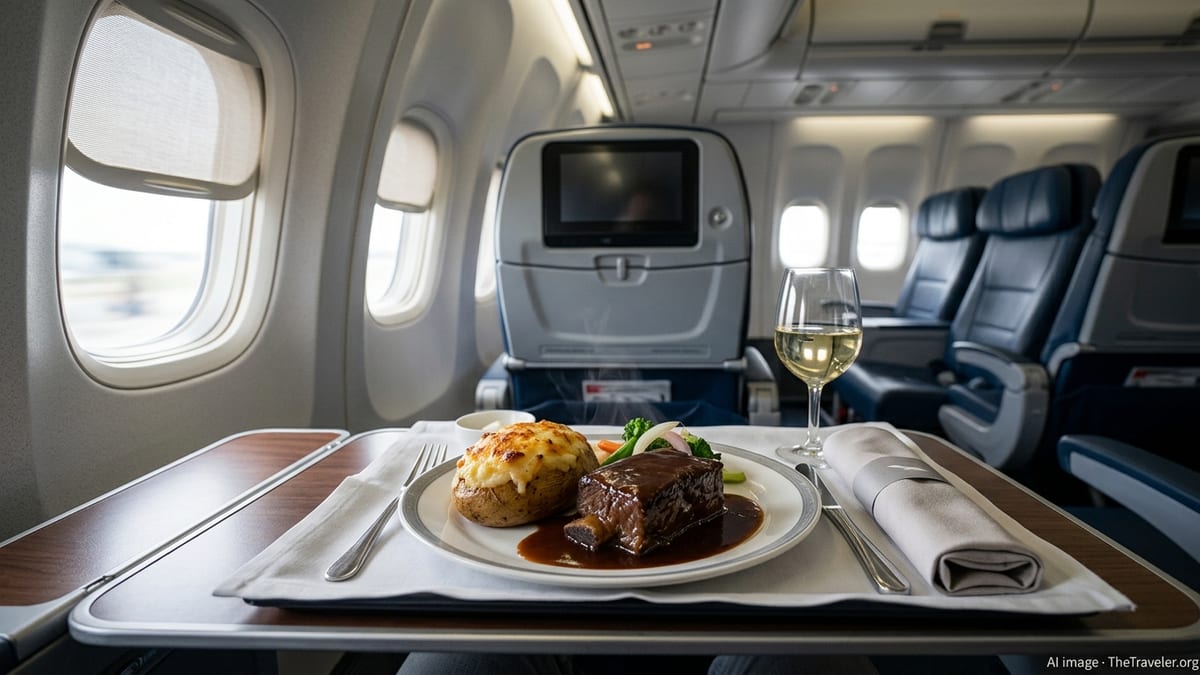
From Deep Ellum Smokehouse to First Class Cabin
The collaboration between American Airlines and Pecan Lodge began earlier this year on a limited number of flights linking Dallas Fort Worth with New York area airports. Initial menus focused on staples such as chopped brisket and smoked sausage, paired with classic sides that translate relatively well to reheating in an aircraft galley, according to published coverage and passenger reports.
Pecan Lodge, founded in 2010 in Dallas’s Deep Ellum neighborhood, has become one of the city’s most recognizable barbecue names, known for slow smoked brisket, ribs and hearty sides. Bringing that brand into the cabin aligns American’s broader effort to showcase regional partners from hub cities, a trend visible across several major U.S. carriers in recent years as they compete for premium travelers.
Publicly available information indicates that the airline initially framed the barbecue rollout as part of a centennial era refresh of onboard food and beverage, alongside other menu upgrades in domestic first class and long haul premium cabins. The apparent decision to expand Pecan Lodge service suggests early demand and positive recognition, even as opinions on the barbecue itself remain mixed among frequent flyers.
As the program grows beyond the original Dallas–New York tests, the Pecan Lodge name is expected to appear on more transcontinental and higher yield domestic routes where hot meals are standard in first class and catering logistics allow for consistent supply from the DFW hub.
What First Class Flyers Can Expect Onboard
Reports from recent flights indicate that the Pecan Lodge offering typically appears as one of several rotating main course choices on qualifying first class services out of Dallas Fort Worth, particularly during lunch and dinner windows. Onboard photos and passenger descriptions show plated brisket or smoked sausage accompanied by sides such as mac and cheese, coleslaw or roasted vegetables, designed to be handled easily at 35,000 feet.
Like other American Airlines first class meals on domestic routes, the barbecue dishes are prepared on the ground by catering facilities and reheated on the aircraft. Industry observers note that smoked meats generally hold up better to reheating than some more delicate proteins, which may partly explain the airline’s move toward barbecue for a robust, comfort food style option.
Availability still depends on flight length, time of day and whether a particular route qualifies for a full meal rather than snacks. Traveler accounts describe the Pecan Lodge plates appearing most reliably on flights of around three hours or longer that are scheduled over traditional meal times, particularly when departing from the carrier’s Dallas hub where supply is most straightforward.
American encourages eligible first class passengers to select meals in advance through its pre order system, which can help secure the barbecue option on flights where catering quantities are limited. Public guidance from the airline suggests that preordering also helps reduce waste and improves the odds that specific menu items, including specialty dishes such as the Pecan Lodge partnership, are available onboard.
Mixed Passenger Reaction to Barbecue at Altitude
Reaction from travelers has been varied as the Pecan Lodge meals show up on more flights. Some frequent flyers posting on travel and airline forums describe the barbecue as one of the stronger hot meal choices currently offered on certain Dallas routes, particularly compared with more generic pasta or chicken dishes that have long dominated domestic first class menus.
Others question whether a restaurant known for long lines and a lively smokehouse atmosphere can truly be replicated in a reheated, mass catered format. A number of barbecue enthusiasts commenting online point out that brisket is especially sensitive to overcooking and drying out, and express cautious expectations about how it will present after time in an aircraft oven.
Concerns about mess and cabin aroma have also surfaced in public discussion, though experienced travelers often note that catered barbecue tends to be less smoky than food served directly from a pit. Several contributors to aviation forums argue that barbecue is a logical choice precisely because it is already a staple of catered corporate events in Texas, where it is valued for staying flavorful over time and in large quantities.
Despite the debate, many passengers say they are curious enough to try the Pecan Lodge option at least once, especially those connecting through Dallas who may not have time to visit the restaurant itself in Deep Ellum. For some travelers, sampling a Texas brand in the air is a convenient alternative to adding a barbecue stop to a tight itinerary on the ground.
Part of a Broader Push to Upgrade Premium Dining
The expansion of Pecan Lodge service fits within a wider shift among U.S. airlines to emphasize recognizable chef and restaurant partnerships in premium cabins. In American’s case, that effort is intertwined with its post pandemic push to rebuild trust in first class service levels and distinguish itself on key business and leisure routes.
Industry analysis notes that food and beverage have become increasingly important as airlines navigate competitive fare environments and capacity growth. While lie flat seats and Wi Fi remain core differentiators on longer routes, upgraded meals and regional collaborations offer a relatively visible way to signal investment in the onboard experience, particularly for domestic first class customers who may compare offerings across multiple carriers.
American has already introduced other menu enhancements tied to its centennial themed promotions, including refreshed appetizers, upgraded desserts and more substantial hot options on select flights. Within that context, the Pecan Lodge partnership serves as both a branding exercise for a well known Dallas restaurant and a test of how far regional flavors can be scaled across a national network.
Analysts point out that such collaborations come with operational challenges, from ensuring consistent quality across catering locations to managing inventory on routes that do not originate near the partner restaurant. The decision to expand rather than quietly retire the Pecan Lodge dishes suggests that, at least for now, American views the program as a net positive in terms of passenger response and brand alignment.
What the Expansion Means for Travelers
For passengers booking upcoming first class travel on American through Dallas, the broader rollout increases the likelihood of encountering Pecan Lodge branded barbecue as a featured entree. While the dishes will not appear on every flight or in every cabin, travelers on qualifying routes may find the option highlighted in pre order portals or inflight menus originating from the DFW hub.
Travel planners and frequent flyers watching the airline’s premium strategy note that the move underscores American’s emphasis on using its largest hub as a showcase for Texas centric products. The partnership allows the carrier to highlight local cuisine to both domestic and international customers who may connect through Dallas on their way across the network.
Ultimately, the success of the expanded program will be measured less by social media buzz and more by repeat orders and overall satisfaction with first class meals. If passenger feedback remains favorable, the Pecan Lodge collaboration could pave the way for additional regional restaurant tie ins from other hub cities, bringing more local flavor to cabins that have long been criticized for generic, interchangeable menus.
For now, travelers who enjoy Texas style barbecue and are curious about how it translates in the sky have more chances to sample a plate of smoked brisket at cruising altitude, served on real china rather than a paper tray, as American tests how far it can push the idea of hometown dining in the air.