


More news on this day
Major wildfires sweeping parts of France, Spain and Italy in July 2026 are forcing thousands of residents and tourists to evacuate, disrupting rail links and casting a shadow over one of the Mediterranean’s busiest summer holiday periods.
Get the latest news straight to your inbox!
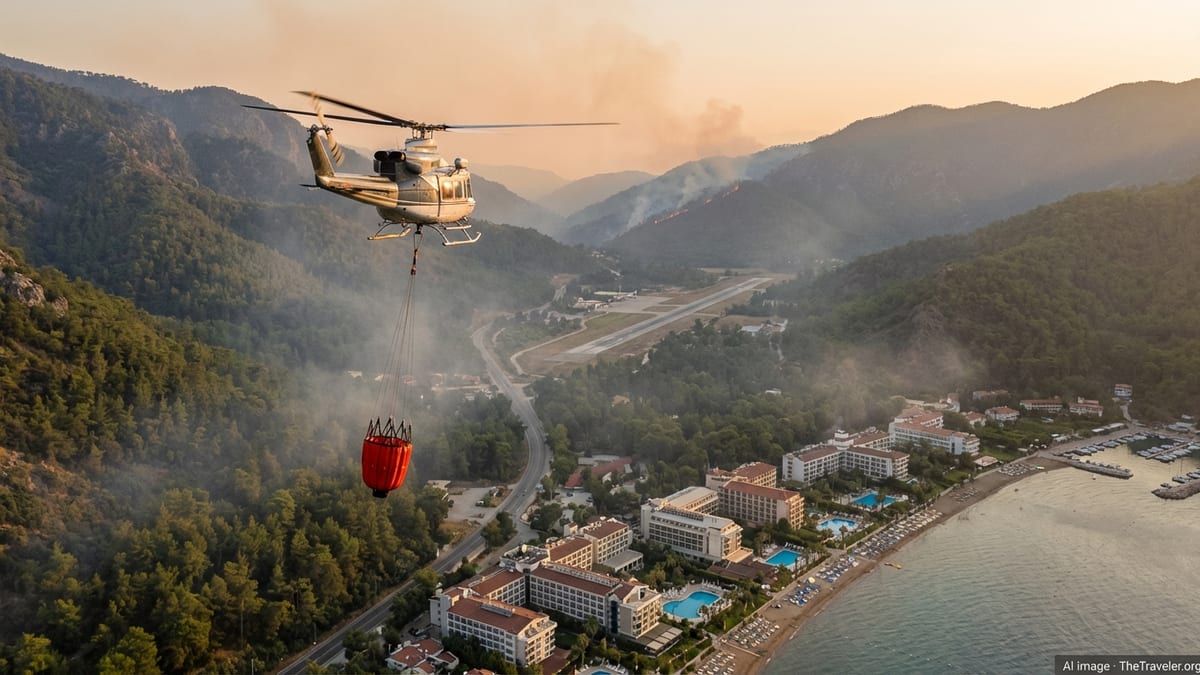
Evacuations Sweep Coastal Resorts and Countryside
Across southern France, mass evacuations are underway from coastal resorts and forested rural areas as fires advance through parched landscapes. Recent coverage indicates that in the Gironde department, a blaze that began near Saumos has spread through pine forest toward the Atlantic coast, affecting communities around Lège-Cap Ferret, a popular destination for French and international visitors. Local updates describe holiday parks, campsites and residential districts being cleared as firefighters work to contain fast-moving fronts in high winds and intense heat.
Media reports from the region describe thousands of people moving out of campgrounds and vacation homes along France’s southwestern coast, with civil protection services deploying additional aircraft and ground crews. The clear summer skies and holiday traffic that typically define late July in this part of France have shifted to a landscape of smoke plumes, temporary shelters and queues of cars leaving affected zones.
In Spain, similar scenes are unfolding in central and northern regions. National and regional outlets report large fires in Castilla-La Mancha and areas near Toledo, where villages and peri-urban communities have been evacuated after flames reached residential streets. Further north in León, emergency services have cleared localities threatened by fast-spreading forest fires in rugged terrain, adding to a growing tally of displaced residents and visitors.
Italy is also grappling with evacuations, particularly on the island of Sicily. Coverage from Italian and international news organizations highlights multiple major incidents across the island, including a wildfire near San Cataldo that has led to precautionary evacuations of homes and health facilities. Authorities have placed much of Sicily under the highest wildfire risk level as scorching temperatures, low humidity and strong winds persist.
Rail and Road Networks Under Strain
The wildfire emergency is increasingly affecting transport connections that underpin Mediterranean tourism. In France, a recent blaze in the historic Fontainebleau forest, south of Paris, prompted the suspension of regional train services and temporary highway closures as smoke reduced visibility and flames approached key routes. According to publicly available information, some services on lines linking the capital with provincial cities were halted or rerouted while crews secured tracks and overhead power installations.
On the Atlantic coast, roads leading to and from the affected sections of the Gironde coastline have been intermittently closed to allow fire services to operate and to manage evacuation traffic. Travel advisories point to long delays on the remaining open routes as campervans, private cars and tourist coaches funnel away from high-risk zones toward inland towns and larger cities.
In Spain, reports indicate that highway links south of Madrid have faced rolling closures where fires crossed or neared major roads, complicating access to popular inland destinations and creating knock-on effects for bus and long-distance coach services. While high-speed rail infrastructure has not suffered direct damage from the latest fires, precautionary slowdowns and temporary suspensions have been noted on sections running through smoke-affected valleys, contributing to a more fragile summer timetable.
Italy’s transport network is also feeling the strain. On Sicily, local roads have been cut off in areas where flames crossed rural routes, leaving some villages temporarily isolated until fire fronts moved past. Ferry and airport operations across southern Europe remain largely functional, but travel industry updates stress that last-minute schedule changes are possible where smoke, visibility or fire behavior interfere with ground access.
Tourism Sector Faces Heightened Uncertainty
The timing of the wildfires coincides with peak summer travel for France, Spain and Italy, three of the world’s most visited countries. Tourism boards and industry analysts note that July and August stays in coastal resorts, rural campsites and heritage cities are central to local economies. With thousands of beds in evacuated areas, accommodation providers are racing to relocate guests or arrange early departures, often at very short notice.
Owners of open-air campsites and holiday parks are among the most exposed. Recent reports from the French Atlantic coast describe entire camping complexes emptied as a precaution, with visitors directed to sports halls and municipal centers turned into temporary shelters. Many travelers have lost pre-paid nights or seen carefully planned itineraries disrupted by road closures and smoke, although industry representatives emphasize that safety considerations now outweigh commercial concerns.
In Spain, destinations in inland provinces that had promoted nature tourism, hiking and rural guesthouses are now reassessing summer operations as fire risk persists. Reservations data cited in travel-focused coverage suggest a short-term spike in cancellations and requests to move bookings to later in the year or to coastal areas less affected by the current outbreaks. Italian hoteliers in Sicily report similar patterns, with some guests shortening their stays or rebooking to northern regions that are currently less exposed.
Despite the disruption, large parts of the Mediterranean coastline remain open to visitors. Urban centers, many beaches and cultural landmarks continue to operate, although tourism officials are encouraging travelers to stay alert to local advisories and to remain flexible regarding day trips into forested or mountainous areas.
Climate Conditions Fuel a Prolonged Fire Season
Meteorological services across southern Europe have documented an extended sequence of heatwaves since late spring 2026, with temperatures well above seasonal averages and limited rainfall. Public health and environment agencies in France, Spain and Italy report that these conditions have dried vegetation to historically low moisture levels, turning pine forests, shrublands and agricultural margins into highly combustible fuel.
Environmental reporting notes that, by late July, hundreds of thousands of acres had already burned across European Union countries, according to satellite-based monitoring systems. While the overall area affected so far this year remains close to or slightly below the record totals seen in 2025, the concentration of large incidents in tourist regions of southern France, central Spain and Sicily has elevated public concern and media attention.
Scientists and climate observers cited in recent analyses link the current fire patterns to broader warming trends in the Mediterranean basin. Rising average temperatures, more frequent heat extremes and shifting rainfall patterns are described as contributing to longer fire seasons and increasing the likelihood that multiple major blazes will occur simultaneously across borders. This has implications not only for emergency response capacity but also for tourism planning and insurance coverage in high-risk areas.
Policy discussions in several capitals are focusing on whether building regulations, land management practices and evacuation protocols around resorts and rural communities are keeping pace with the changing risk profile. Some commentaries point to the vulnerability of campsites located within or adjacent to dense pine forests, as well as the challenges of protecting dispersed holiday homes connected by narrow roads.
Travelers Urged to Monitor Conditions and Rethink Plans
For travelers with upcoming trips to France, Spain and Italy, travel organizations recommend close monitoring of official advisories and reputable news outlets in the days before departure. Travel experts cited in recent coverage suggest that visitors check whether their accommodation lies within designated high-risk zones, confirm cancellation and rebooking policies, and ensure that they have comprehensive travel insurance that covers natural hazards.
Rail passengers are encouraged to verify timetables shortly before travel, particularly on regional routes passing through forested areas or known fire corridors. Even when long-distance services remain scheduled, last-minute diversions and delays are possible as operators respond to evolving fire behavior and safety assessments. Road travelers are advised to plan extra time, carry water and be prepared to follow detours if local authorities redirect traffic away from affected areas.
Tourism advisers also highlight the importance of basic wildfire safety awareness for visitors unfamiliar with the region. Guidance commonly shared by civil protection agencies includes avoiding barbecues or open flames in or near forests, respecting access restrictions to trails and rural tracks, and promptly reporting any new smoke columns observed from safe locations. Travelers staying in campgrounds or rural rentals are encouraged to review posted evacuation routes and to keep essential documents and medications easily accessible.
As the 2026 wildfire season enters its most intense weeks, the outlook for Mediterranean tourism will depend on weather patterns, firefighting capacity and the resilience of transport and hospitality networks. While the immediate priority remains protecting lives in evacuation zones, the unfolding crisis is also reshaping how destinations across France, Spain and Italy prepare for summers increasingly defined by fire risk.