


More news on this day
Escalating wildfires and relentless heatwaves across France are forcing Australian travellers to rethink European summer trips, just as updated government advice refocuses attention on what travel insurance will and will not cover.
Get the latest news straight to your inbox!
DFAT sharpens France guidance as fires and heat intensify
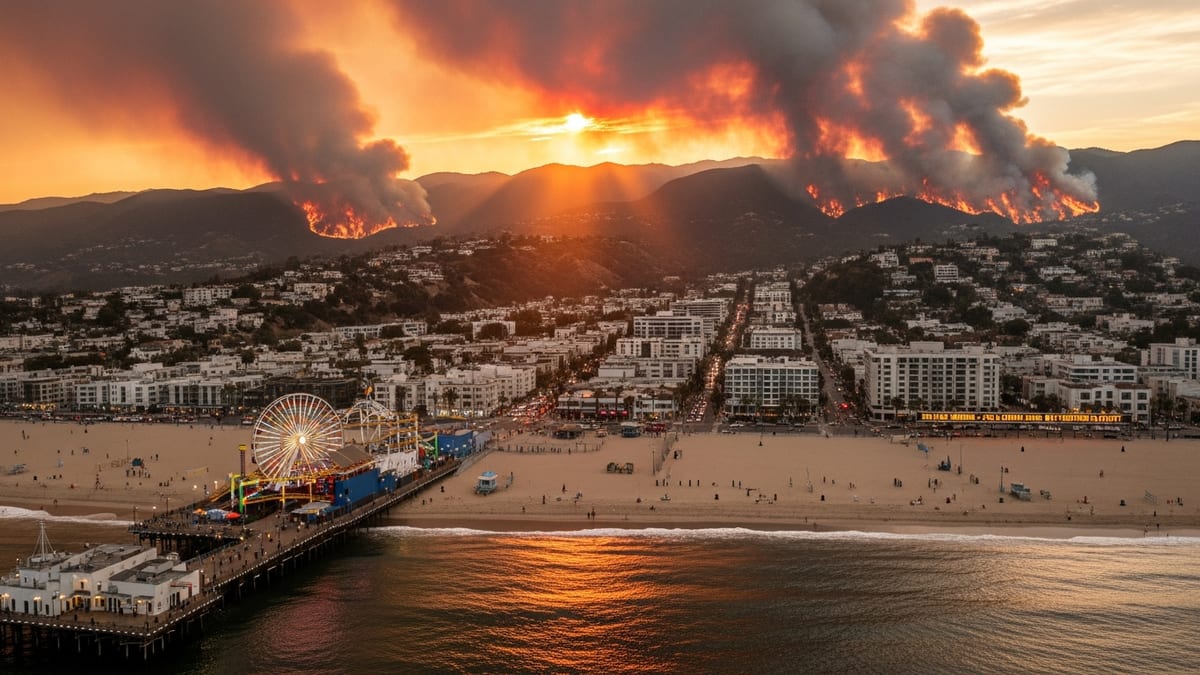
France is enduring a severe summer, with successive heatwaves and fast moving wildfires disrupting peak holiday season in popular regions including the southwest and Mediterranean coast. Recent coverage from European and international outlets describes mass evacuations from coastal resorts, altered sporting events and smoke filled skies over areas heavily visited by international tourists.
Publicly available travel advisories show that several governments have updated their France guidance in July, highlighting wildfire activity, extreme temperatures and the risk of sudden transport disruption. Australia’s Department of Foreign Affairs and Trade has refreshed its broader messaging to encourage travellers to monitor local conditions closely and be prepared for rapid changes to itineraries when natural hazards escalate.
The overall risk level for France remains comparable to previous seasons, but the emphasis has shifted toward climate driven hazards rather than security concerns alone. Heat warnings issued by French authorities for many departments through June and July have coincided with new wildfire alerts, creating a complex operating environment for airlines, rail operators and local tourism businesses.
For Australians heading to France during the southern winter school holidays, this means that insurance fine print matters more than ever. As fires close roads or trigger evacuations, and heatwaves prompt service cancellations or schedule changes, the question is no longer just whether a policy covers medical emergencies abroad, but how it responds when a trip becomes impossible or unsafe to continue.
What travel insurance typically covers for wildfires
Guidance from Australian consumer resources and insurers indicates that most comprehensive travel insurance policies treat wildfires as a natural disaster, in the same broad category as storms or floods. When a destination is directly affected before or during a trip, cover can extend to trip cancellation, additional accommodation, or new transport arrangements if travel becomes unsafe or services are shut down.
Coverage usually depends on timing. Travellers who bought a policy before a specific fire or fire season was deemed a “known event” are more likely to be able to claim. Once an insurer publicly declares a blaze or a series of fires to be a known event, new policies may exclude related disruptions, on the basis that the risk is no longer unforeseen.
Location also matters. If a resort town is evacuated or a regional airport closes due to nearby flames, travellers may be able to claim for unused prepaid bookings and reasonable extra costs to leave the area or reroute. If, however, the fires are burning far from where a traveller is staying and local services continue to operate, policies may treat the situation as anxiety rather than direct impact, limiting the scope for refunds.
Insurance documents stress that travellers must follow local instructions, keep receipts and seek written proof of cancellations or closures. Evidence from airlines, accommodation providers or tour operators about why a service could not be delivered often proves essential for lodging a successful claim related to wildfires.
Heatwaves: a greyer area in the fine print
Extreme heat is proving harder to navigate. While wildfires are clearly defined natural disasters, heatwaves are not always listed explicitly in policy wording. Consumer information compiled in Australia suggests that medical expenses linked to heat related illness are generally covered, provided the traveller did not ignore medical advice or travel against a doctor’s recommendations.
The picture is less clear when heat affects a trip indirectly. If rail tracks buckle, runways close or attractions restrict opening hours because of dangerous temperatures, some policies may treat that as a natural disaster or severe weather event, triggering trip interruption benefits. Others may argue that seasonal heat is a foreseeable condition in Europe during July and August, and that only formally declared emergencies or government ordered closures qualify for cover.
DFAT’s France advice, like that of several European counterparts, now places strong emphasis on staying informed about heat alerts and adapting activity plans accordingly. For visiting Australians, that may mean avoiding strenuous outdoor sightseeing during the hottest part of the day, booking air conditioned accommodation where possible, and recognising that comfort related itinerary changes are unlikely to be covered by insurance.
Travellers who decide at the last minute not to fly because of forecast high temperatures, despite no cancellation from airlines or authorities, may find that insurers regard this as a change of mind rather than an insured event. In many policies, voluntary cancellations fall outside standard benefits unless a “cancel for any reason” upgrade has been purchased, which remains relatively uncommon and more expensive in the Australian market.
How DFAT advisories interact with insurance decisions
Australian government travel advisories do not determine insurance outcomes on their own, but they can influence how insurers interpret events. Publicly available policy guidance often notes that if DFAT raises a destination to its highest warning level and advises against travel altogether, cover for new trips booked after that change may be restricted or unavailable.
In the case of France, the overall level has not moved to the highest tier, despite heightened attention to wildfires and heatwaves. For travellers who arranged cover before recent fires flared or heat alerts escalated, that stability may support claims if their plans are later disrupted by conditions linked to the current European summer.
However, insurers can still assess each case against their own definitions of natural disaster, severe weather and known events. DFAT’s advice functions more as a context setting tool, underlining to travellers that they remain responsible for checking their product disclosure statements and understanding any exclusions relating to climate related hazards.
Consumer advocates in Australia consistently recommend that travellers read both Smartraveller advisories and insurer updates before departure, paying particular attention to sections dealing with natural disasters, civil emergencies and transport disruptions. In a season where a single heatwave can swiftly feed a major blaze, those distinctions are becoming increasingly material.
What Australians can do before flying to a hotter, drier France
As conditions in France underline the reality of hotter, drier European summers, Australian travellers are being urged through public information campaigns to take a more proactive approach to risk. That begins with choosing insurance that explicitly mentions natural disaster cover, checking whether existing medical conditions are declared, and confirming whether policy benefits extend to additional accommodation and alternative transport if a trip is interrupted.
Practical preparation also plays a role. Travellers can monitor French weather and fire danger outlooks in the weeks before departure, and consider adjusting itineraries away from heavily forested regions known for fire risk during peak heat. Urban stays in better cooled accommodation may be more manageable for vulnerable travellers, particularly older people and young children.
On the ground, subscribing to local alert systems where available, staying informed through reputable media, and planning sightseeing around cooler parts of the day can reduce exposure to both heat stress and sudden evacuation orders. Having digital and paper copies of policy documents, emergency contact numbers and booking confirmations makes it easier to act quickly if conditions deteriorate.
Ultimately, the convergence of wildfires and heatwaves in France this summer is reshaping the way many Australians think about European travel. Insurance remains a key safety net, but it is no substitute for careful planning, realistic expectations and a willingness to adapt when the climate throws up yet another unexpected turn.