


More news on this day
Windstar Cruises is increasing its focus on France’s coastline, with recent deployment updates and itinerary brochures highlighting a growing number of smaller ports that bring travelers closer to lesser-known Atlantic and Mediterranean towns.
Get the latest news straight to your inbox!
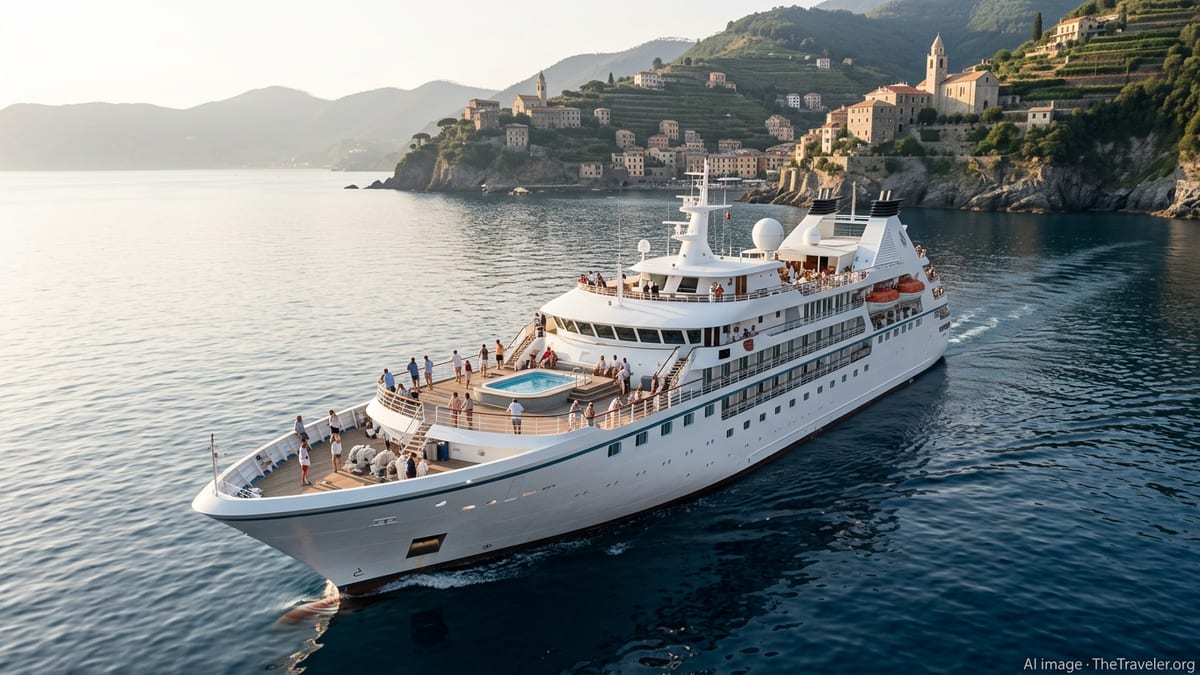
Small ships bring a different France into view
Publicly available fleet information shows that Windstar operates a collection of yachts and sail-assisted vessels carrying between roughly 150 and 340 guests, a capacity that allows the line to call at compact harbors and historic town quays that are off limits to larger cruise ships. Industry observers note that this small-ship profile is central to Windstar’s positioning in Europe, where the company has steadily increased its Mediterranean and French deployment through at least summer 2026.
Recent itinerary materials emphasize what the line describes as “small-ship only” destinations and working coastal towns where mainstream tourism plays a secondary role to day-to-day local life. This strategy is particularly visible along the French coast, where schedules blend well-known hubs such as Nice or Marseille with quieter communities along the Atlantic façade and the western Mediterranean.
Analysts tracking cruise capacity in Europe point out that this approach aligns with broader demand for slower travel, culinary immersion and port-intensive sailings. Rather than relying on long sea days and marquee cities, Windstar’s French coastal voyages often string together multiple mid-sized and small ports, with late-night departures that encourage guests to linger in local restaurants and waterfront promenades.
Atlantic France itineraries spotlight lesser-known harbors
Windstar’s deployment releases for Europe highlight an itinerary described as “Atlantic France,” framed as an in-depth journey focused almost entirely on French ports along the Bay of Biscay and the western approaches. According to these published materials, the route is designed to concentrate on smaller harbors and regional centers, positioning the ship close to medieval cores, seafood markets and wine-growing hinterlands rather than distant industrial piers.
Travel trade coverage indicates that these Atlantic-focused sailings typically weave together Brittany and southwest France, combining better-known stops with compact ports that see far fewer international cruise calls. While exact port lists vary by season and ship, the itineraries are frequently marketed around themes such as maritime heritage, coastal fortifications and regional gastronomy, especially shellfish, crêperies and vineyard excursions inland.
Cruise specialists note that the Atlantic coast has often been overshadowed by the French Riviera in mainstream marketing, despite a long history of seafaring towns and resort architecture from the 19th and early 20th centuries. By dedicating a full itinerary to Atlantic France, Windstar appears to be positioning the region as a standalone destination where smaller ships can remain close to historic waterfronts and allow guests to walk directly into local neighborhoods.
Hidden corners of the French Mediterranean
In the Mediterranean, Windstar’s brochures and travel-agency listings show multiple itineraries that combine iconic Riviera cities with smaller French and Franco-Italian ports. Schedules for the coming seasons feature calls at island and coastal towns that are less familiar to first-time visitors yet well known among yacht owners and regional vacationers, with an emphasis on compact marinas and natural anchorages.
Published voyage descriptions point to island ports and secondary harbors that offer access to hilltop citadels, coastal hiking and quieter beaches compared with major resort centers. On some sailings, these lesser-known stops are paired with marquee destinations in Italy or Spain, but the French segments remain a focal point, marketed around local markets, village squares and harborside cafés rather than nightlife or large-scale shopping.
Travel writers following small-ship trends observe that this Mediterranean strategy allows Windstar to differentiate its product in a crowded cruise market. By moving away from a circuit limited to Cannes, Nice and Marseille and adding lower-profile ports, the line can appeal to repeat visitors to France and to travelers seeking what is often described as a more “yacht-like” rhythm, with shorter distances between ports and long days spent ashore.
Year-round Europe and the appeal of shoulder seasons
Industry news reports indicate that Windstar is among a small group of cruise brands extending operations in the Mediterranean into the cooler months, including winter itineraries that call at French ports. These year-round or shoulder-season deployments are promoted as a way to experience coastal towns with fewer crowds, lower daytime temperatures and a stronger emphasis on local routines rather than peak-season tourism.
Travel trade coverage of the line’s 2025 and 2026 seasons notes that itineraries are being adjusted to reflect evolving traveler preferences for off-season city breaks, culinary experiences and cultural events. For French coastal towns, this can translate into visits timed around regional festivals, wine harvests or winter markets, with shore-excursion programs that highlight indoor attractions such as museums, covered markets and historic estates.
Analysts suggest that the move toward shoulder-season sailing may also support coastal communities seeking to spread visitor numbers more evenly throughout the year. Smaller ships visiting outside the traditional summer months can help sustain local businesses while easing pressure on infrastructure during July and August, when many French residents take their own holidays and popular seaside towns already operate at capacity.
What travelers can expect ashore in smaller French ports
For travelers choosing Windstar itineraries that include lesser-known French ports, publicly available marketing materials and destination overviews describe a mix of historic centers, outdoor activities and regional food culture. Many of these towns feature stone-built old quarters within walking distance of the pier, where guests can explore churches, ramparts and narrow streets before returning to the ship.
On the Atlantic coast, smaller ports are often gateways to rugged shorelines, lighthouses and estuaries, with opportunities for cycling, coastal walks and visits to oyster farms or vineyards. In the Mediterranean, island and Riviera-adjacent towns frequently offer access to coves, maquis-covered hills and viewpoints over natural harbors, as well as local markets where seasonal produce and seafood dominate the stalls.
Travel advisors emphasize that small-ship operations typically result in shorter transfer times and more flexibility ashore, since tenders and gangways serve a smaller number of guests. For visitors exploring France, this can mean more time in cafés and coastal paths and less time navigating port terminals or waiting in queues, a factor that continues to draw interest from travelers looking for a quieter, more localized way to experience the country’s extensive coastline.