


More news on this day
Wisconsin transportation authorities are warning drivers to prepare for crowded highways, active work zones and longer travel times over the Fourth of July weekend, as new forecasts point to one of the busiest Independence Day travel periods in years.
Get the latest news straight to your inbox!
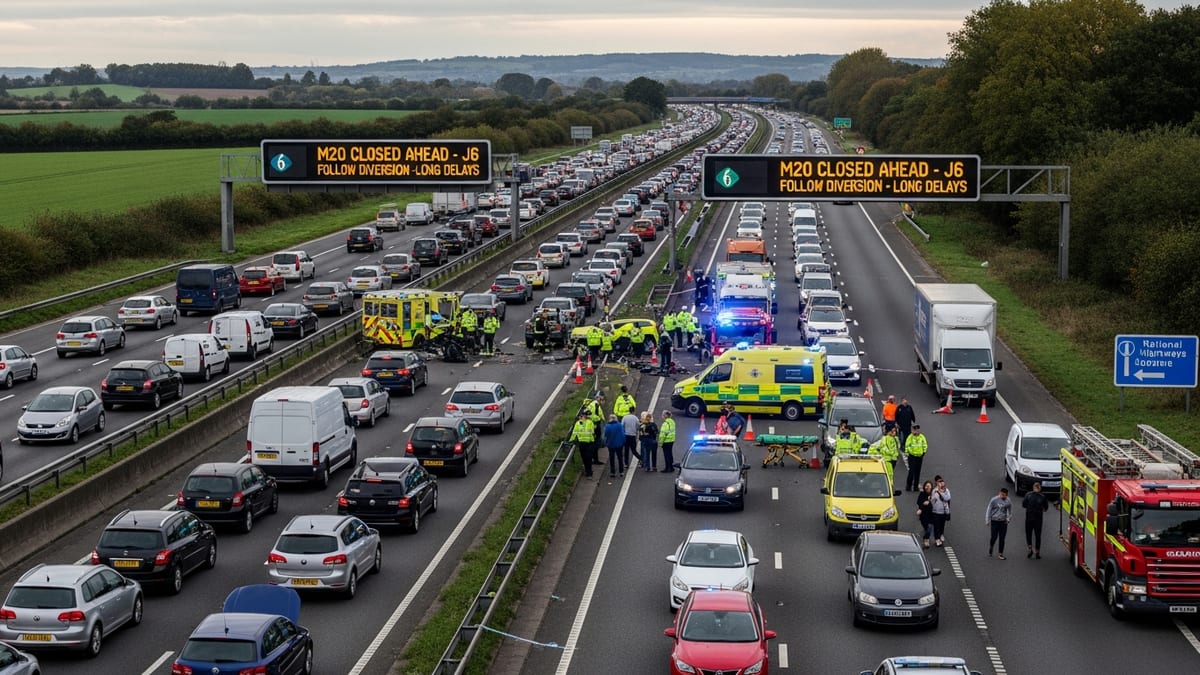
Busy holiday weekend expected on Wisconsin roads
Publicly available information from the Wisconsin Department of Transportation indicates that more than 1.4 million state residents are expected to travel by car over the Independence Day period, with peak volumes anticipated from Thursday evening through Sunday. The agency’s latest advisory, issued June 30, urges motorists to plan ahead, allow extra time and be ready for stop-and-go conditions around major cities and tourist corridors.
National forecasts from travel and media organizations suggest that the 2026 Fourth of July period could set or approach records for roadway volumes, with millions of Americans choosing to drive to regional destinations. Wisconsin is expected to feel those pressures on key east–west and north–south routes connecting the Milwaukee, Madison and Green Bay areas, as well as popular lake and cabin communities.
Transportation bulletins emphasize that while most construction work pauses for the holiday, lane shifts, narrowed shoulders and temporary configurations remain in place at several long-term project sites. Drivers are being encouraged to pay close attention to signage, avoid last-second lane changes and reduce speeds wherever orange barrels and barrier walls are present.
The holiday also coincides with a busy calendar of parades, festivals and fireworks displays in communities across Wisconsin. That combination of local event traffic and regional vacation travel is expected to create particularly heavy conditions near urban interchanges and resort gateways during the late afternoon and early evening hours.
Key corridors and construction zones highlighted in advisory
The state’s travel advisory points to a series of major work zones that could slow July 4 traffic, even with construction activity largely suspended. In north-central Wisconsin, segments of WIS 29 are operating with reduced lanes in each direction, and some interchanges remain closed or partially restricted as long-running improvement projects continue.
Elsewhere in the state, selected stretches of rural two-lane highways are detoured or narrowed because of bridge and pavement work, affecting routes used by travelers heading toward the Northwoods and central lake country. Motorists using those corridors may encounter slower-moving vehicles, abrupt speed-limit reductions and intermittent flagging operations as crews secure sites for the holiday interval.
Near the state’s largest metro areas, intermittent lane reductions around busy interstates and beltlines are expected to create bottlenecks at peak times, particularly where holiday traffic merges with daily commuter flows. Transportation planners note that even minor disruptions, such as disabled vehicles on the shoulder or fender-benders in congestion, can quickly ripple into extended backups when volumes are at holiday levels.
The advisory also highlights the ongoing closure of certain safety rest areas and roadside facilities for reconstruction, which may affect travelers’ plans for breaks along the way. Drivers are being encouraged to check in advance for open facilities and consider alternative stop locations in nearby communities if regular rest areas are closed.
Safety message focuses on speed, impairment and distraction
Alongside the travel advisory, state transportation materials are placing strong emphasis on basic safety habits during the Independence Day period. Public guidance underlines the need for all vehicle occupants to wear seat belts on every trip, with special reminders for families traveling with children to use the appropriate safety seats and restraints.
The agency is drawing attention to longstanding crash data showing that speeding, alcohol use and distraction are recurring factors in serious and fatal collisions around the July 4 holiday. Public campaigns are urging drivers to designate a sober operator before events, avoid mixing drinking and boating with driving and arrange alternate transportation whenever alcohol is involved.
Distraction remains a particular concern in work zones and heavy traffic. Wisconsin law prohibits texting while driving and restricts handheld device use in construction areas, and the latest advisory reiterates that phones and other devices should be put away whenever a vehicle is in motion. Transportation outreach materials suggest that navigation apps and route checks be completed before departure or by a passenger, rather than by the driver on the road.
Work zone safety is another focal point of the holiday messaging. Drivers are being asked to slow down well before entering coned areas, observe posted speed limits, and leave extra following distance to allow for sudden braking. State materials stress that fines are higher in work zones and that even when crews are not visibly present, equipment, lane drops and temporary surfaces can pose added risks.
Tools and tips for planning July 4 trips
The Wisconsin travel advisory encourages motorists to make use of online and mobile tools that provide real-time information about traffic, incidents and construction impacts across the state. The 511 Wisconsin traveler information service offers maps, live camera images and updated reports on crashes, delays and detours, giving drivers a way to check conditions before they leave home.
Travel reports recommend avoiding the busiest windows where possible, particularly the late afternoon and early evening hours on the Thursday and Friday leading into the holiday weekend, and again on Sunday when many travelers return. Early-morning departures or later-evening drives on less busy days are often suggested as ways to sidestep the worst congestion.
Motorists are also urged to prepare their vehicles before setting out, including checking tires, brakes, fluids and lights, to reduce the likelihood of breakdowns that could create roadside hazards and additional delays. Simple steps such as topping off fuel, packing water and snacks, and keeping a basic emergency kit in the trunk are recommended, especially for families traveling longer distances or through rural stretches with limited services.
For those heading to waterfront areas, campgrounds and outdoor festivals, the advisory notes that parking lots and local roads can reach capacity quickly around popular fireworks times. Travelers are encouraged to follow posted instructions from event organizers, respect temporary parking restrictions in neighborhoods and allow extra time to exit venues safely after shows end.
Holiday outlook underscores shared responsibility on the road
With Independence Day falling on a Saturday in 2026 and many Wisconsinites extending their plans into a long weekend, transportation agencies anticipate sustained traffic volumes rather than a single peak travel day. The latest advisory portrays safe, courteous driving as a shared responsibility among residents and visitors who will be sharing the road network.
Public information materials emphasize that while agencies can suspend some construction, post warnings and provide traveler information, individual choices behind the wheel will ultimately shape how safe and efficient the weekend is for everyone. Observers note that even small decisions, such as leaving a few minutes earlier, allowing another driver to merge or choosing not to check a phone, can help reduce crashes and improve traffic flow during the busy period.
The advisory also points out that law enforcement agencies and emergency responders are likely to see increased demands over the holiday weekend, from crash responses to impaired-driving enforcement and support at large public events. Transportation planners describe safer driving behavior as a way to ease pressure on those services and keep limited resources available for true emergencies.
As travelers finalize their July 4 itineraries, state guidance consistently returns to a simple message: plan ahead, stay alert and treat the holiday drive with the same care as the celebrations at the destination. With heavy traffic expected statewide, the Wisconsin Department of Transportation is urging drivers to see safe travel as part of the broader tradition of Independence Day in the state.