


More news on this day
A serious accident involving a major carrier has led to the abrupt shutdown of all its flights worldwide, stranding passengers across multiple continents and renewing scrutiny of how quickly airlines and regulators act when safety is in doubt.
Get the latest news straight to your inbox!
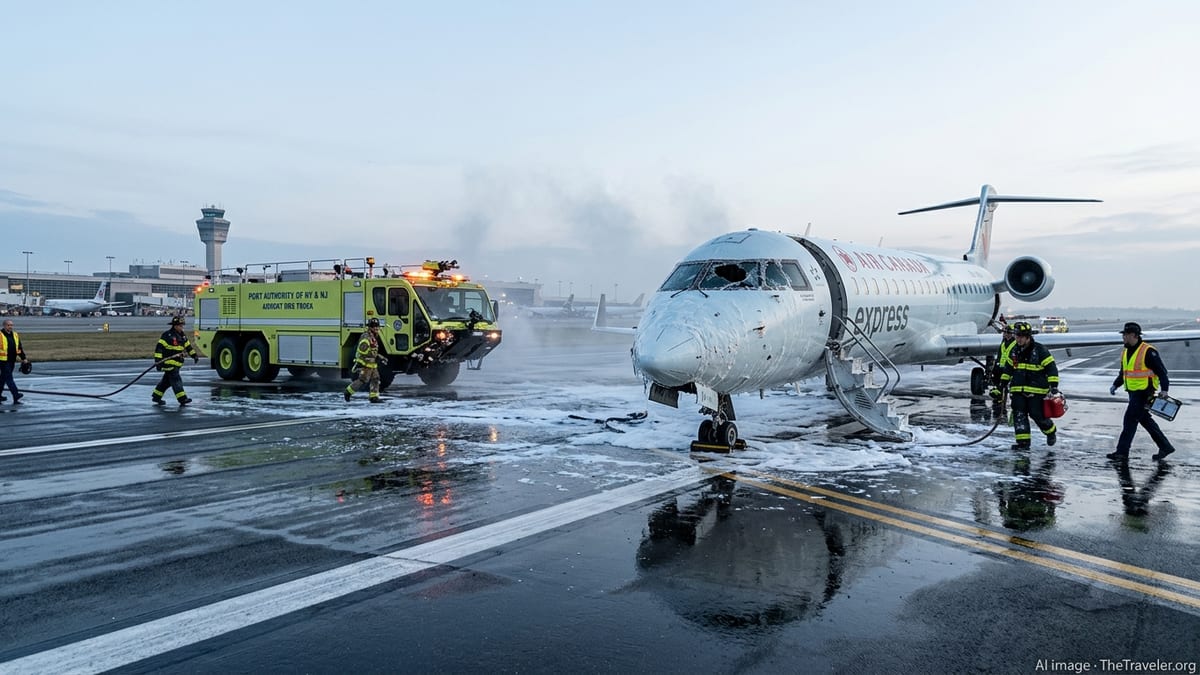
Accident Leads to Sudden Networkwide Shutdown
According to early operational updates and aviation safety databases, the carrier halted its entire schedule within hours of the incident as investigators began examining what went wrong. All departures and arrivals for the airline were removed from airport information boards, and aircraft already in the air were reportedly allowed to continue to destination or divert, while new departures were cancelled.
Publicly available information indicates that this style of rapid shutdown typically follows either a serious accident or the discovery of a systemic technical issue that could affect an entire fleet type. Similar measures have been documented in previous cases where operators temporarily withdrew aircraft from service while structural or engine inspections were carried out.
Aviation analysts note that such a decision is commercially painful but often viewed as necessary to protect passengers and the airline’s longer term reputation. A full schedule suspension also allows maintenance and safety teams uninterrupted access to aircraft, data and crew for internal reviews that run in parallel with formal investigations.
Passengers Stranded as Global Operations Seize Up
The most immediate impact has been felt by travelers, many of whom found their flights cancelled with little advance notice. Airport departure halls in several hub cities saw long lines at customer service desks as travelers sought rebooking options on other airlines, refunds, or emergency accommodation while they waited for clarity.
Travel forums and social media posts describe families sleeping in terminals, business travelers scrambling to join video meetings from lounges, and tourists attempting complex overland journeys to make onward connections. In some regions with limited alternative carriers, the sudden capacity loss has effectively cut off air links for remote communities in the short term.
Industry watchers point out that while comprehensive passenger protections exist in some jurisdictions, rules and compensation levels vary widely worldwide. As a result, the experience of disrupted travelers can differ markedly depending on where they were flying, how their tickets were purchased, and whether their journeys involved code-share or interline partners.
Safety Groundings Have Precedent in Recent Aviation History
Although the current shutdown is dramatic, it is not without precedent. In recent years, several airlines have temporarily suspended fleets or entire operations following serious incidents while inspections and regulatory reviews were conducted. In some cases, suspensions were limited to a specific aircraft type, while in others, schedules across an entire network were paused.
Examples in public records include cargo and passenger carriers that halted flying after runway accidents, hull losses or in-flight structural events. In those instances, regulators and airlines used extensive data to determine whether the event was isolated or pointed to a wider technical or procedural issue that might endanger other flights if operations continued unchecked.
Aviation safety experts often stress that these pauses, while disruptive, reflect a safety culture that now favors erring on the side of caution. The willingness to cancel thousands of flights, they note, signals that short term commercial losses are being weighed against the far greater risk of a repeat accident before root causes are fully understood.
Ripple Effects on Airports, Tourism and Local Economies
The shutdown is also rattling airport operators, tourism boards and local businesses that rely heavily on the grounded airline’s traffic. Airports where the carrier was a dominant presence are experiencing sudden drops in passenger throughput, with knock-on effects for retail, food and beverage concessions, and ground transportation providers.
Tourism-dependent destinations are bracing for cancellations and reduced arrivals, particularly where the affected airline was one of only a few carriers providing direct service. Hotel associations and tour operators in some markets are already reporting higher call volumes from visitors unsure whether to postpone or reroute planned trips.
Economists who track aviation’s contribution to regional development note that these disruptions can be especially acute for smaller cities. When a single airline represents a large share of an airport’s flights, even a temporary shutdown can reduce connectivity, complicate business travel, and undermine efforts to attract investment and conventions.
What Travelers Should Do Next
Consumer advocates recommend that affected passengers start by confirming the status of their booking through the airline’s official channels or through the travel agency or platform where the ticket was purchased. Many carriers in similar situations have previously allowed free rebooking, refunds, or rerouting onto partner airlines, although the speed of implementation can vary.
Travelers are also being urged to carefully review the terms of their travel insurance or credit card protections. Some policies provide coverage for trip interruption, additional accommodation, meals and replacement flights when an airline suspends operations due to safety or operational issues. Documentation of cancellations and extra expenses can be critical for later claims.
Given the uncertainty over how long the shutdown will last, experienced frequent flyers advise building flexibility into upcoming journeys, including avoiding tight connections, considering alternate airports within a region, and monitoring announcements from aviation regulators and industry bodies that may shed light on the timeline for a safe resumption of service.