


More news on this day
A woman who died after a car-train collision in south Shreveport has been publicly identified, bringing new attention to safety at busy rail crossings in the area as investigators continue to examine how the crash unfolded.
Get the latest news straight to your inbox!
Identity released following fatal south Shreveport crash
Recent local coverage from Shreveport indicates that the woman killed when a car and freight train collided in the southern part of the city has now been identified by the Caddo Parish Coroner’s Office. The victim was described as an adult Shreveport resident whose name was released after next of kin were notified and routine confirmation procedures were completed.
Reports indicate that the collision occurred at a rail crossing in south Shreveport where vehicle traffic and train movements intersect on a regular basis. Early information from publicly available crash summaries suggests that the car was struck on or near the tracks as a train moved through the area, leaving the vehicle heavily damaged and the driver fatally injured.
The woman was pronounced dead a short time after the crash, according to published coverage, which notes that no serious injuries were reported among train crew members. The identification has become a focal point for friends and relatives seeking answers about the circumstances that led to the collision.
What is known about the collision
Based on information released in local news reports and official summaries, the incident happened during a period of regular train traffic, when a freight consist was moving through south Shreveport. The car involved in the crash appears to have been on or entering the crossing when the train approached, resulting in a high-impact collision that left debris scattered around the tracks.
Publicly available information shows that investigators are reviewing whether the vehicle tried to cross ahead of the train, became stopped on the tracks, or encountered another problem in the crossing area. The precise sequence of events, including the car’s speed and position, remains under review as investigators work through physical evidence, scene measurements and any available visual recordings.
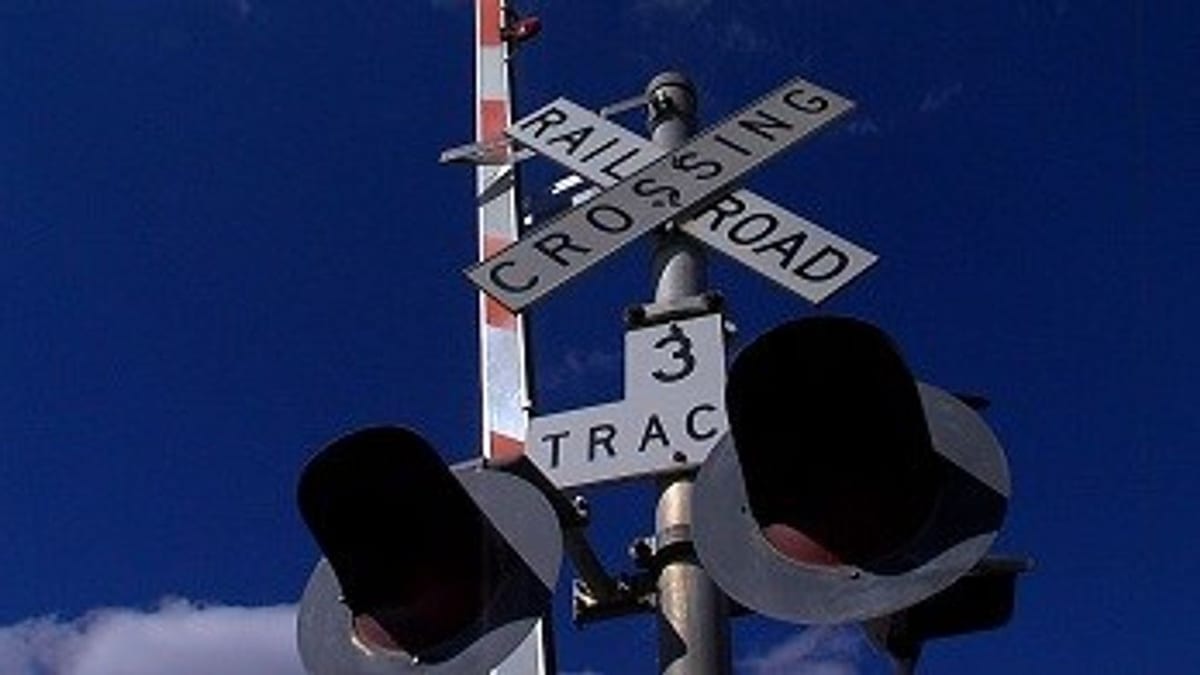
Coverage also notes that the crossing where the crash occurred includes standard warning measures, such as signals and signage, though the condition and operation of those devices at the time of the collision are part of the broader inquiry. Weather conditions at the time were reported to be typical for the season, and no immediate contributing role from heavy rain or reduced visibility has been highlighted in public reports so far.
Ongoing investigation and safety review
Crash reconstruction teams in Shreveport routinely examine rail-involved collisions in detail, and this case is following a similar pattern. According to public documentation, investigators typically gather data from the locomotive’s event recorder, which can show train speed, horn use, braking and other operational details in the moments before impact. That information, combined with interviews and physical evidence from the scene, helps determine whether driver behavior, visibility, signaling or mechanical factors played a role.
Published coverage notes that it is common for investigators to consult rail company personnel during such reviews, while also following state protocols for fatal crash investigations. Toxicology testing for drivers is a standard part of the process and, in cases such as this, can take several weeks to be fully processed and summarized.
Beyond identifying the immediate cause, agencies often use findings from collisions like this one to revisit safety strategies at busy crossings. That can include evaluating whether additional barriers, upgraded warning systems or altered traffic patterns could reduce the likelihood of similar incidents in the future, particularly in rapidly developing sections of cities like south Shreveport.
Community impact and focus on rail-crossing risks
The identification of the woman who died has deepened the sense of loss for family, friends and neighbors, while also renewing community concerns about the risks at locations where roadways meet active rail lines. Residents in several Shreveport neighborhoods have previously voiced worries about driver impatience, limited sight lines and the frequency of long freight trains moving through the area.
Transportation safety organizations frequently highlight that collisions between cars and trains remain a persistent problem in many parts of the United States, including Louisiana. National and state data show that most of these crashes occur at crossings that drivers use daily, often within a few miles of home. Advocates emphasize cautious approaches to tracks, adherence to warning devices and avoiding attempts to beat approaching trains.
In the wake of the south Shreveport crash, discussions within the community have again turned to public awareness campaigns and education on rail-crossing safety. While the formal investigation into this collision continues, the identification of the victim has transformed the incident from an anonymous statistic into a personal tragedy, underscoring the high stakes when cars and trains intersect on shared corridors.