


More news on this day
The world’s largest class of cruise ship has arrived in Barcelona on a Western Mediterranean itinerary, sharpening focus on the Catalan capital’s ongoing efforts to curb cruise traffic and rein in the environmental and social impacts of mass tourism.
Get the latest news straight to your inbox!
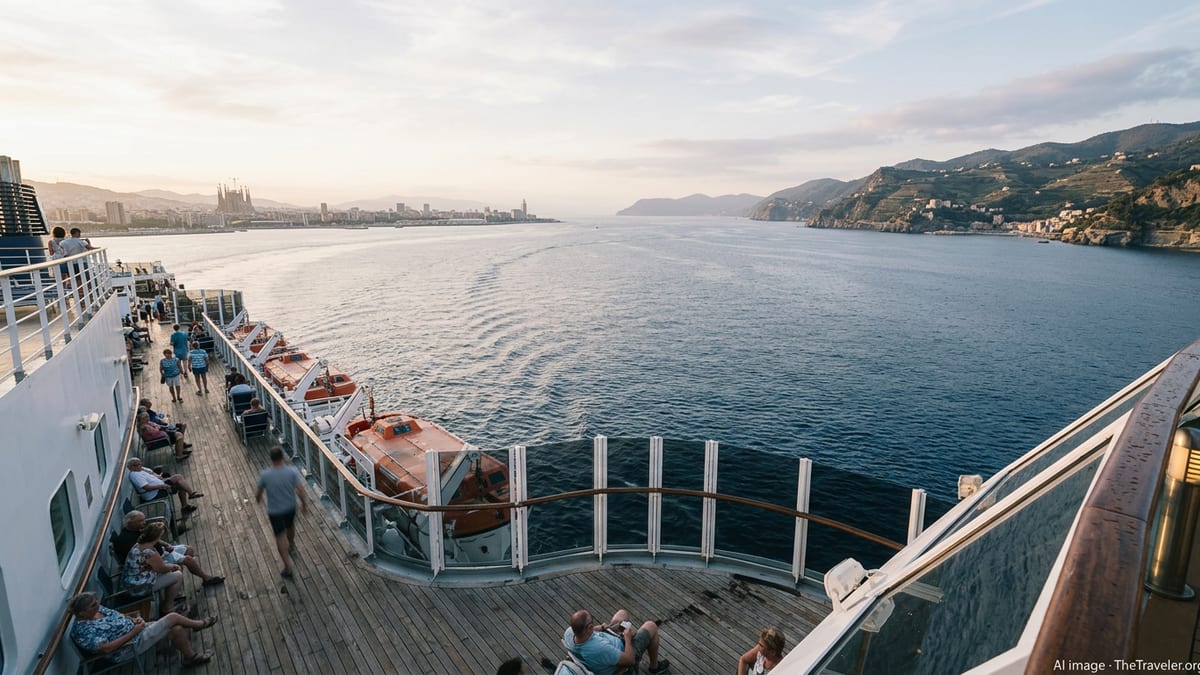
A Mega Ship Makes a High-Profile Mediterranean Debut
Royal Caribbean’s new Icon-class vessel Legend of the Seas reached Barcelona as part of a seven-night Western Mediterranean voyage that departed Civitavecchia, the port for Rome, on July 4, 2026. The visit marks one of the most high-profile European appearances yet for the Icon class, which is currently regarded as the largest cruise ship class in the world by gross tonnage.
Industry data indicates that Icon-class ships measure around 248,000 gross tons and can accommodate more than 5,600 passengers at double occupancy, with total capacity rising well above 7,000 when fully loaded, supported by more than 2,000 crew. The vessels are built around multiple themed “neighborhoods,” a large central water park, numerous pools and extensive shopping and dining spaces that resemble a floating urban resort.
Legend of the Seas is the first Icon-class ship to be deployed in Europe on a regular basis. Its inaugural Mediterranean season is scheduled to feature sailings between Barcelona and Civitavecchia, with calls at ports such as Marseille, Palma de Mallorca and La Spezia. The maiden call in Barcelona is intended as a showcase for the ship’s European program, but it is also heightening debate in a city already grappling with cruise-related pressures.
The ship’s arrival comes as Barcelona maintains a busy mid-summer cruise schedule. Port listings for early July show a succession of large vessels alongside Legend of the Seas, including ships from MSC Cruises, Celebrity Cruises and other major brands, underscoring how one of Europe’s most visited cities has become a strategic hub for Mediterranean itineraries.
Barcelona’s Long Campaign to Tame Cruise Crowds
Barcelona has spent much of the past decade seeking to manage the growth of its cruise business, which has helped power the local tourism economy while also intensifying congestion and sparking resident pushback. Publicly available figures show that prior to the pandemic the city ranked among Europe’s busiest cruise ports by passenger volume, with several million cruise visitors in peak years.
Local measures in recent years have aimed to move ships farther from the historic center and to limit the number of calls at certain piers closer to popular neighborhoods. Authorities have gradually shifted most large cruise operations to terminals at the city’s industrial port, increasing the distance between disembarking passengers and central areas such as La Rambla and the Gothic Quarter.
Barcelona has also explored coordination with cruise lines to spread out arrival and departure times, in an effort to avoid intense morning and late-afternoon peaks when thousands of passengers can pour onto streets and public transport at once. Urban planners and tourism researchers frequently cite the city as an early example of a Mediterranean destination attempting to balance the economic benefits of cruise tourism with quality-of-life concerns for residents.
Even so, the presence of a new record-sized ship is reinforcing questions over whether the city’s port strategy can keep pace with rising vessel capacities. As newer ships bring more people per call, some neighborhood groups argue that overall visitor pressure can grow even if the number of port calls remains stable or declines.
Pollution, Climate and the Push for Cleaner Shipping
The arrival of one of the world’s largest cruise ships is also drawing attention to Barcelona’s environmental ambitions. The city is part of broader European efforts to cut greenhouse gas emissions and improve air quality, particularly around major ports, where ship exhaust has long been a concern for health advocates.
Cruise industry information shows that the Icon class incorporates a range of newer technologies, including advanced air emissions controls and waste treatment systems, and is designed for significant energy efficiency gains compared with older fleets. Some sailings can also take advantage of shoreside power where available, allowing ships to plug into the local electricity grid rather than running engines while docked.
Environmental organizations, however, often point out that the overall climate impact of very large cruise ships remains substantial because of their size, energy needs and reliance on fossil fuels for propulsion. In port cities such as Barcelona, campaigners have pushed for tighter caps on ship calls, stricter emissions rules and accelerated timelines for the adoption of cleaner fuels.
Port and city plans in recent years have included investments in shore power infrastructure and consideration of emissions-based fees or other tools to encourage more efficient vessels. The visit by a flagship mega ship is likely to renew calls for faster implementation of such measures and for closer scrutiny of how cruise growth aligns with local climate goals.
A Test Case for Managing Overtourism
Legend of the Seas’ first season in the Western Mediterranean also serves as a test of how Barcelona’s tourism strategy handles the return of very high passenger volumes during peak summer months. The city has rolled out campaigns to disperse visitors beyond the most crowded central districts, encouraging exploration of lesser-known neighborhoods and nearby towns in Catalonia.
Tourism researchers note that cruise passengers often follow concentrated patterns, with many opting for short guided excursions that cluster around a handful of landmarks. In response, local tour providers and some community groups have promoted alternative itineraries that include less-visited areas, walking routes and cultural institutions outside the core tourist corridors.
At the same time, housing affordability pressures and complaints about noise and crowding have kept the term “overtourism” in Barcelona’s public debate. The juxtaposition of a newly delivered mega ship with long-running resident concerns illustrates the complexity of managing a global travel brand that depends heavily on visitor spending while trying to maintain livability for those who call the city home.
The way cruise operations are integrated into the broader urban tourism plan in the coming seasons may influence how other ports, from Venice and Dubrovnik to smaller Mediterranean harbors, approach similar challenges as the next generation of large ships enters service.
Balancing Economic Gain and Local Sentiment
The cruise sector represents a significant economic engine for Barcelona, supporting jobs in port operations, hospitality, transport and retail. Industry assessments often highlight spending by transit passengers on dining, attractions and shopping, as well as the added value when the city serves as a homeport for embarkations and disembarkations.
Business associations typically stress the importance of maintaining the city’s role as a marquee Mediterranean port in order to secure long-term investment in terminals and related infrastructure. The arrival of a high-profile Icon-class ship is seen by many in the industry as strengthening Barcelona’s position on global cruise itineraries.
On the other hand, neighborhood organizations and some local observers view the steady stream of increasingly larger vessels as evidence that the balance still tilts too far toward visitor numbers. They argue that measures to regulate short-term rentals, contain noise and manage public space will need to be matched by equally assertive policies on cruise traffic if the city hopes to reduce pressure on central districts.
The debut of the world’s largest cruise ship class in Barcelona crystallizes this tension. As Legend of the Seas continues its first Mediterranean season, the port city’s experience may serve as an indicator of whether mega ships and ambitious tourism management can realistically coexist, or whether further limits on cruise traffic will become an unavoidable part of Barcelona’s future.