


More news on this day
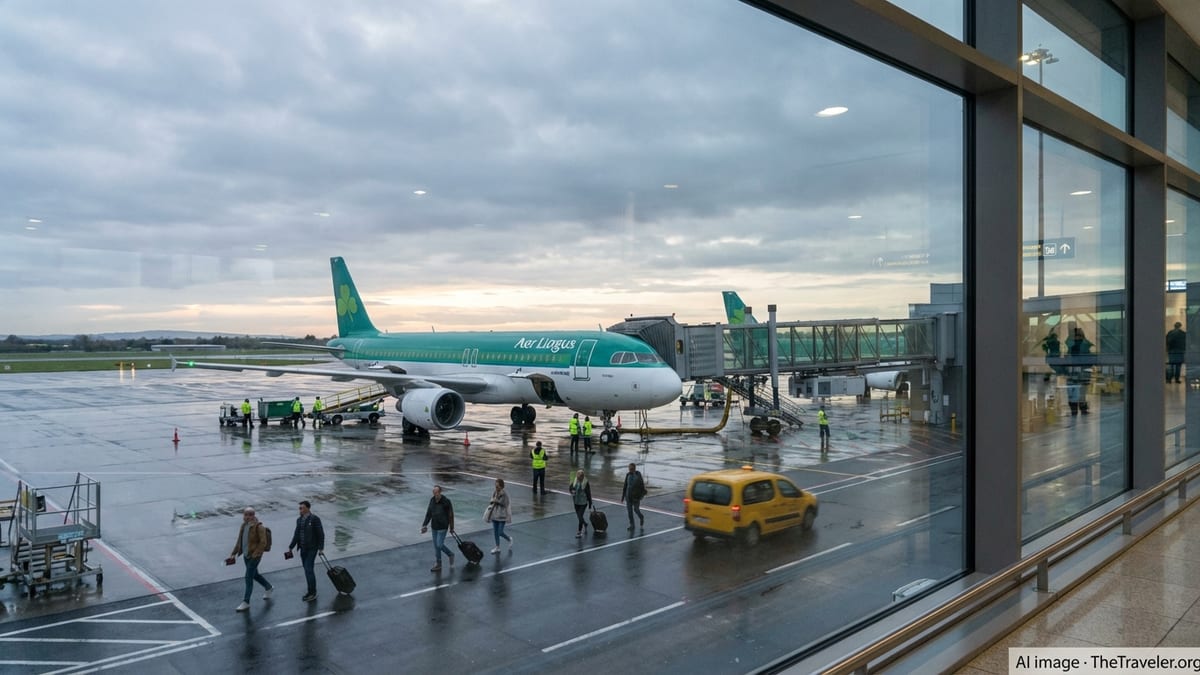
British travellers planning European city breaks and beach escapes have been handed extra breathing space, as the European Union’s long-awaited ETIAS pre-travel authorisation has been delayed once again and is now expected to start in the final months of 2026.
Get the latest news straight to your inbox!
From 2024 launch talk to a late 2026 start
The European Travel Information and Authorisation System, better known by its acronym ETIAS, was originally pitched as a security upgrade that would quietly slot in after Brexit and reshape how visa-exempt visitors enter much of Europe. Early timetables discussed 2024, then 2025, as likely start dates for the scheme.
That timeline has steadily moved back. Publicly available information from EU institutions now points to the “last quarter of 2026” as the target window for ETIAS to begin operating, rather than the mid-decade introduction many travellers had been preparing for. The specific go-live date has not been fixed and is expected to be announced only several months before the system switches on.
The shifting schedule reflects the complexity of building a bloc-wide border architecture that must work across dozens of airports, ferry ports and land crossings. Similar advanced screening systems already exist in destinations such as the United States and Canada, but rolling out an EU-wide platform requires coordination between national authorities, airlines, ferry companies and the central IT agency, eu-LISA.
For British holidaymakers, the latest delay means summer and autumn trips through 2026 can continue under current rules, without the extra layer of pre-authorisation that ETIAS will eventually require.
How ETIAS will work for British travellers
Despite often being described as a “new visa,” ETIAS is not a traditional visa in the way many long-haul travellers understand the term. It is a digital travel authorisation for visitors who do not need a short-stay visa to enter the Schengen area and certain associated European states.
Under the scheme, British passport holders planning short trips for tourism, business or transit will be asked to complete an online application before travel. Information released by EU bodies indicates that applicants will provide passport details, basic personal information and answers to security and health-related questions, with the data automatically checked against European and international security databases.
Most applications are expected to be processed rapidly, often within minutes, with approval linked electronically to the traveller’s passport. Once granted, an ETIAS authorisation is due to be valid for multiple short stays over a period of several years, as long as the passport used for the application remains valid.
What will change for Brits at the border is that airlines, ferry operators and border staff will check not only passports but also whether an ETIAS approval is on file. Those who have not applied in advance, once the system is mandatory, risk being denied boarding or refused entry on arrival.
Why ETIAS keeps being pushed back
The current delay is closely tied to another cornerstone of the EU’s border-modernisation drive, known as the Entry/Exit System, or EES. That system, which replaces passport stamping for many non-EU nationals, records biometric data and logs each crossing into and out of the Schengen area.
EES has itself faced repeated postponements, with the most recent schedule indicating progressive introduction from October 2025 and full operation in April 2026. ETIAS is designed to sit on top of this infrastructure, using the same data environment to pre-screen travellers before they reach the frontier.
Reports from European outlets and specialist immigration firms indicate that technical integration, testing and the need to avoid peak-season disruption at bottlenecks such as Dover and the Channel ports have all contributed to the cautious phasing. Member states are also working to align airport processes, staffing and carrier checks with the new systems before strict enforcement begins.
In effect, ETIAS cannot practically go live until EES is bedded in and functioning reliably at scale. That dependency helps explain why a measure once described as imminent has slipped to late 2026, even as political pressure remains to strengthen external border controls.
What ETIAS will cost and who it will affect
Cost has been one of the most closely watched details. Publicly available EU information and industry analyses continue to reference a modest application fee, typically discussed in the region of 7 to 20 euros per person, though final figures and any potential fee updates are still subject to legislative decisions. Exemptions for certain categories, such as young children or older travellers, are expected to mirror arrangements in similar schemes elsewhere.
The authorisation requirement will apply to nationals of visa-exempt countries visiting the Schengen area and a handful of other participating states for short stays, which includes visitors from the United Kingdom. It will not cover Ireland, which maintains its own Common Travel Area arrangements with the UK, so trips between Britain and Ireland are unaffected.
Once ETIAS is in force, British visitors planning a European holiday, cruise, business conference or family visit in participating countries will need to factor the authorisation into their pre-departure checklist. Travel advisers suggest that, once applications open, it will be safer to apply well before the 72-hour window that has often been mentioned as the minimum lead time.
Industry groups representing airlines, tour operators and travel agents have previously raised concerns about potential fee increases and the risk of confusion for occasional travellers, particularly older visitors less familiar with online forms. The extra delay provides more time for information campaigns to reach would-be holidaymakers in the UK.
What British travellers should do now
For now, no action is required from British visitors heading to continental Europe. The official EU portals state that ETIAS is not yet in operation, that no applications are being accepted and that the precise start date will be communicated well in advance of launch.
Travel experts advise that UK residents keep an eye on official EU and national government channels as 2026 approaches, especially if planning trips in the final quarter of that year or beyond. It will also be important to distinguish ETIAS from the UK’s own Electronic Travel Authorisation, which applies to incoming visitors to Britain and is a separate system entirely.
Another practical step for frequent travellers is to ensure that passports remain valid well beyond upcoming trips. Because ETIAS approvals will be electronically linked to a specific passport, renewing a passport is likely to require a new authorisation once the scheme begins.
While the repeated delays may fuel uncertainty, for British tourists the latest development amounts to a temporary reprieve. The rules at the border will eventually change, but not before Europe’s new digital border systems have completed their long and technically complex journey from concept to reality.