


More news on this day
London woke on Sunday to thick patches of fog as a yellow weather warning came into force across the capital and large parts of southeast England, raising the prospect of slower journeys and disruption for travellers throughout the morning.
Get the latest news straight to your inbox!
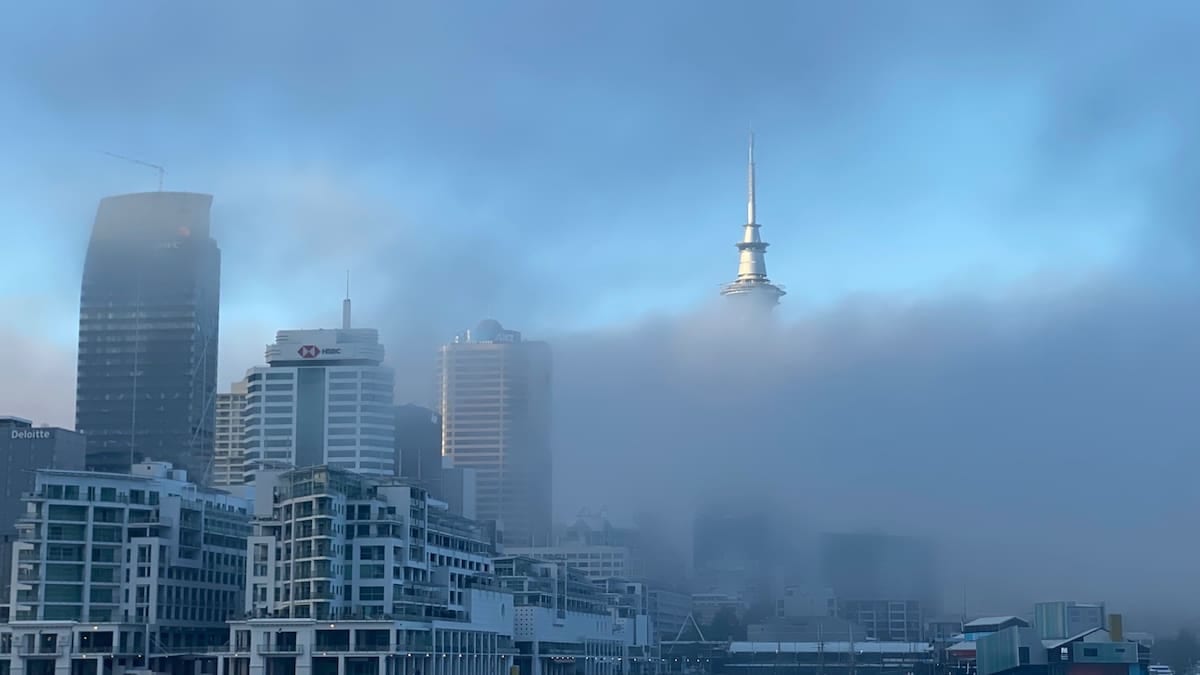
Fog settles over capital under Met Office yellow alert
The Met Office has issued a yellow warning for fog covering Greater London and surrounding counties from midnight until 10:00 on Sunday 8 November 2026. Publicly available information from the forecaster indicates that visibility has fallen below 50 metres in some locations, with widespread mist and low cloud stretching from the Midlands to the south coast and across the London and South East England region.
The alert follows an earlier spell of overnight fog that began developing on Friday 6 November, initially as patches across southeast England before expanding through Saturday. Forecast guidance shows that the current warning area includes Greater London, Surrey, Hampshire, West and East Sussex, Berkshire, Buckinghamshire and parts of Oxfordshire, among other local authorities in the wider commuter belt.
Met Office guidance on the warning service explains that a yellow alert signals a high likelihood of low to moderate impacts, with transport highlighted as a key concern when fog becomes dense. In practice, that means many people can continue their normal routines, but a significant minority may face slower journeys, reduced visibility on the roads and potential disruption to public transport.
Early-morning images shared by local weather observers and travellers show familiar London landmarks partially obscured, with river valleys and low-lying suburbs particularly affected. Widespread fog was also reported over southern counties, reinforcing expectations that conditions will take several hours to improve.
Road users urged to expect slower and more hazardous journeys
Official travel advice linked to the yellow warning highlights slower journey times as the most immediate impact, especially on major commuter routes into central London. The strategic road network around the capital, including stretches of the M25, M3, M4 and arterial A-roads, is forecast to see pockets of dense fog reducing visibility sharply in places during the early morning period.
Guidance for drivers from public safety campaigns and motoring organisations stresses the importance of using dipped headlights in fog, rather than full beam, and switching on front and rear fog lights when visibility drops below 100 metres. Motorists are also encouraged to increase stopping distances, reduce speed gradually and avoid sudden braking that could catch other drivers out in poor visibility.
Transport data from previous fog events suggests that minor collisions and breakdowns tend to increase when dense mist coincides with peak travel periods. For this event, the worst of the fog has arrived during the early morning window, but forecasters indicate that clearing is likely to be slow in parts of central southern England and the western home counties, keeping conditions tricky for some mid-morning road users.
Local authorities and highways teams in affected areas have shared general winter-weather advice in recent years highlighting the risk that fog can mask standing water, temporary roadworks and cyclists or pedestrians at junctions. Travellers heading by car to remembrance events and weekend shopping districts around the capital are being encouraged, through public messaging, to allow extra time and check local conditions before setting off.
Rail and Tube networks monitor visibility and knock-on delays
National rail services into London are operating, but information from train operators and network status pages indicates a risk of minor delays where reduced visibility requires more cautious driving or interacts with existing engineering work. Fog itself does not normally halt trains, but signalling checks, speed restrictions in some areas and longer boarding times at busy stations can lengthen journeys.
Commuter lines from the South West, South Coast and Thames Valley, including routes into London Waterloo, Victoria, Paddington and London Bridge, are highlighted by travel-watch groups as those to watch when conditions are poor across a wide swathe of southern England. Where engineering work is scheduled, replacement bus services may be affected more directly by limited visibility on rural roads.
Within London, the Underground and Overground networks are largely shielded from the most severe effects of fog, but interchanges with National Rail and surface-level sections can still experience crowding and occasional timetable changes. Passengers are being advised through publicly available announcements and online updates to check live departure boards before travelling and to be prepared for slightly extended journey times.
Previous fog episodes around London have also shown that even modest delays can ripple through busy weekend timetables, particularly where multiple operators share tracks. With the current warning covering much of central and southern England, any disruption outside the capital has the potential to feed into long-distance services arriving in London later in the morning.
Flight schedules under pressure at London airports
The Met Office warning notes the possibility of delays or cancellations to flights as one of the key potential impacts of dense fog. Major airports serving the capital, including Heathrow, Gatwick, London City and Stansted, are all located within or close to the warning area, making aviation particularly sensitive to the evolving conditions.
Air-traffic guidance for fog events explains that low visibility can restrict the rate at which aircraft can land and depart, even when runways are technically open. Reduced arrival spacing, reliance on instrument landing systems and the need for additional checks all tend to slow operations, which can translate into delays and a series of knock-on effects through the day.
According to published coverage by UK news outlets, overnight fog has already led to some early-morning delays at London airports on similar occasions this season, with aircraft held on the ground while visibility improved along approach paths. Airlines typically respond by consolidating services, adjusting aircraft rotations and, in some cases, cancelling the most affected flights to stabilise schedules.
Passengers booked to travel on Sunday are being advised in public-facing updates to check the latest status of their flights before leaving home and to allow extra time at the airport in case of congestion at check-in and security. Travel insurers and consumer-rights organisations also emphasise the importance of keeping receipts and documentation where disruption leads to additional expenses that may later be claimed.
What a yellow fog warning means for travellers in the coming hours
The current alert forms part of the Met Office National Severe Weather Warning Service, which categorises threats using a colour-coded matrix based on likelihood and potential impact. Guidance documents from the forecaster and London resilience planning frameworks explain that a yellow warning signals conditions that could cause some disruption, particularly for those directly exposed through travel or outdoor activities, without necessarily reaching the thresholds of more serious amber or red alerts.
For this event, meteorologists expect fog to lift only gradually through the morning, transitioning to low cloud, mist or hazy sunshine in many places by late morning or around midday. Urban heat from central London and increasing traffic movement typically help to disperse fog earlier in the day, while low-lying rural areas and river valleys southwest of the capital can remain grey and murky for longer.
Travel planners urge people with flexible schedules to consider shifting non-essential journeys to later in the day, when visibility is likely to improve and any backlogs on the roads and rails have eased. Those attending fixed-time events, including remembrance services and sporting fixtures, may have fewer options, making route planning and contingency checks more important.
Publicly available advice from the Met Office and transport operators consistently emphasises a few key steps: monitor the latest forecast and warning updates, check live travel information before leaving, allow extra time for journeys and be prepared for changes to normal routines. With the yellow fog warning currently set to expire by late morning, travellers who stay informed and adjust plans where necessary are expected to navigate the conditions with at most moderate disruption.