


More news on this day
The Islamic Emirate of Afghanistan is rejecting a new round of foreign travel warnings that urge citizens to avoid the country, insisting that security has improved nationwide even as Western and regional governments maintain their highest risk advisories and, in some cases, outright bans on visiting Afghanistan.
Get the latest news straight to your inbox!
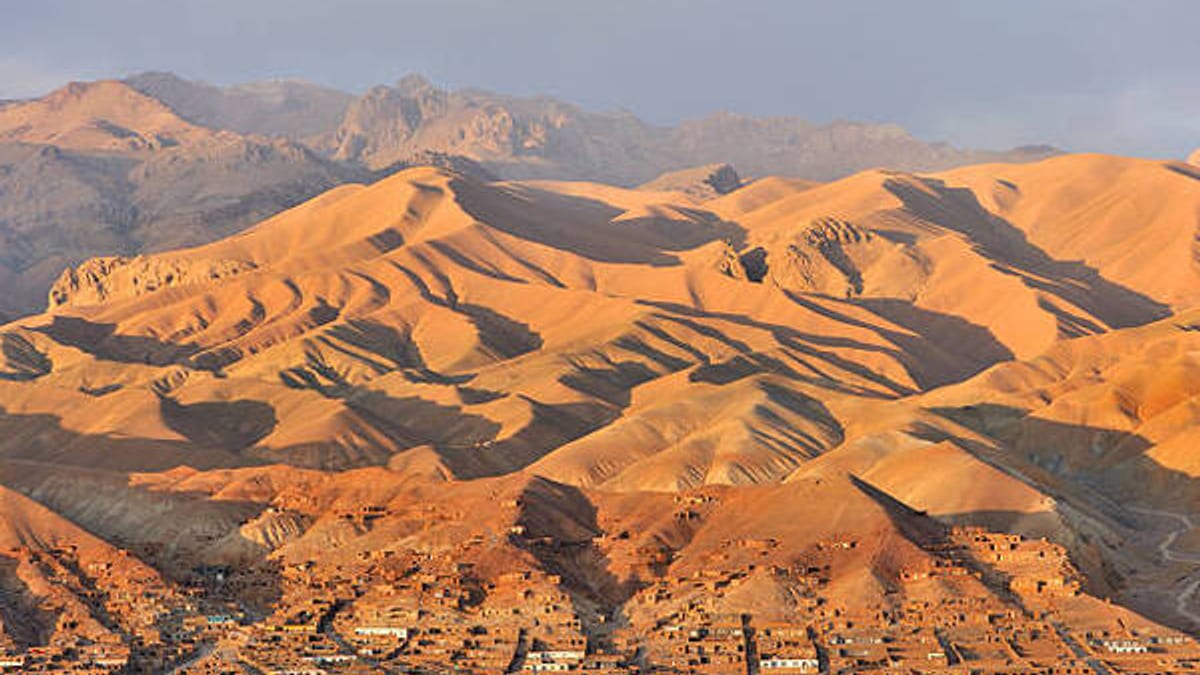
Taliban Government Dismisses Latest Travel Alerts
Public statements highlighted in Afghan media on November 6 and 7, 2026, indicate that the Islamic Emirate’s chief spokesperson has described recent foreign advisories against travel to Afghanistan as unjustified. Coverage on Afghan-focused news platforms reports that the spokesman argued security has been ensured across all provinces and that concerns raised by other governments do not reflect current conditions on the ground.
According to this public messaging, the de facto authorities contend that foreign nationals, including tourists, journalists and staff of international organizations, are able to live and work in Afghanistan without facing serious security threats. The comments follow a series of updates from foreign ministries that reiterate long-standing advice against travel because of terrorism risks, potential arbitrary detention and limited consular support.
The more confident tone coming from Kabul reflects the Islamic Emirate’s effort to present Afghanistan as a country emerging from decades of war. Assertions of stability are frequently framed around reduced front-line conflict since the Taliban takeover in August 2021, a period that the authorities point to as comparatively calmer despite ongoing security incidents reported in open sources.
Foreign Governments Maintain "Do Not Travel" Warnings
While the Islamic Emirate promotes a narrative of improved security, publicly available travel advice from several governments paints a sharply different picture. The United States maintains a Level 4 “Do Not Travel” advisory for Afghanistan, citing terrorism, kidnapping, civil unrest, crime and limited ability to provide consular assistance after the suspension of Embassy Kabul operations. The advisory also notes the risk of wrongful detention for certain categories of travelers.
The United Kingdom’s latest travel advice, updated in early November 2026, similarly advises against all travel to Afghanistan and emphasizes that the UK government cannot offer routine consular services inside the country. Canadian travel guidance, revised in mid‑October 2026, instructs citizens to avoid all travel because of what it describes as a volatile security environment, high threat of terrorist attacks, and risks of arbitrary arrest and detention.
Other countries have taken additional steps beyond warnings. The United Arab Emirates lists Afghanistan among destinations where Emirati citizens are not permitted to travel except in limited circumstances such as official delegations or emergency medical cases. Australia’s Smartraveller service maintains its highest alert level, stressing that travel throughout Afghanistan is considered extremely dangerous due to terrorism, kidnapping and the possibility of sudden armed clashes.
Contrasting Claims Over Security on the Ground
The divergence between Kabul’s messaging and foreign travel advisories centers on differing assessments of risk. Official travel guidance from Western and regional governments continues to reference the presence of armed groups, including organizations that have claimed responsibility for attacks in urban centers. Publicly available reports note incidents such as explosions at restaurants and public venues in Kabul that resulted in casualties during 2026, reinforcing a perception of ongoing threat.
By contrast, the Islamic Emirate highlights the absence of nationwide front-line fighting and claims that its security forces have brought a general sense of order to cities and major highways. Statements amplified by domestic Afghan outlets assert that recent advisories are politically motivated or designed to discourage foreign engagement with the current authorities. These messages often stress that checkpoints, patrols and intelligence operations have reduced the frequency of large-scale attacks compared with previous years of conflict.
Independent assessments remain difficult because of limited international presence and restricted access for outside observers. Human rights and research organizations report that some security incidents may go underreported, particularly in remote provinces. At the same time, there is evidence of a small number of foreign visitors and niche tour operators marketing trips to Afghanistan, often branded as “adventure” or “danger” tourism, which introduces additional complexity to understanding real conditions away from major cities.
Travel Advisories Highlight Legal and Human Rights Risks
Beyond physical security, foreign governments consistently flag legal and human rights concerns for prospective travelers. Public reports from international monitoring bodies describe restrictions introduced by the de facto authorities since 2021, including curbs on women’s freedom of movement, limitations on work and education, and enforcement of strict social codes. Travel advisories caution that behavior considered acceptable in many countries may contravene local regulations in Afghanistan.
Government guidance from states such as Canada and Australia stresses that foreigners may face heightened scrutiny if perceived to be contravening Islamic Emirate decrees or local interpretations of religious law. These notices emphasize the risk of arbitrary detention, limited access to legal representation and the absence of standard consular support mechanisms, given that many embassies closed or relocated after August 2021.
Documentation and visa arrangements also remain a concern. Afghanistan’s consular network is limited, and publicly available information indicates that some travel visas are now issued by Taliban-appointed missions while many former embassies are inactive. Foreign ministries warn that entry procedures, recognition of travel documents and enforcement of new regulations can change at short notice, creating additional uncertainty for potential visitors.
Implications for International Travelers and Airlines
The standoff between the Islamic Emirate’s assurances and foreign warnings has practical consequences for tourism, business travel and air connectivity. With key Western and regional governments advising against any travel, many insurance providers treat Afghanistan as an exclusion zone, making it difficult for individuals or companies to obtain coverage for trips. Airlines from most countries have suspended direct commercial passenger services, leaving only a handful of regional carriers and charter operators serving Kabul and a few other airports on a limited basis.
For travelers who contemplate visiting despite official guidance, publicly available advisories recommend extreme caution, comprehensive contingency planning and awareness that consular assistance may be unavailable. Some governments explicitly state that they may not be able to organize evacuation or emergency support in the event of a sudden deterioration in conditions or an individual security incident.
The Islamic Emirate, for its part, has signaled interest in attracting investment and eventually rebuilding tourism around Afghanistan’s historic sites and mountain landscapes. However, the current web of foreign advisories, visa uncertainties and human rights concerns presents substantial obstacles. Until there is closer alignment between Kabul’s portrayal of safety and the risk assessments of foreign governments, Afghanistan is expected to remain one of the world’s most restricted and controversial destinations for international travelers.