


More news on this day
Bawe Island, a private-island resort off the west coast of Zanzibar, has joined The Leading Hotels of the World’s curated collection, reinforcing the archipelago’s profile as a premier luxury destination in the Indian Ocean.
Get the latest news straight to your inbox!
A New Indian Ocean Flagship for Independent Luxury
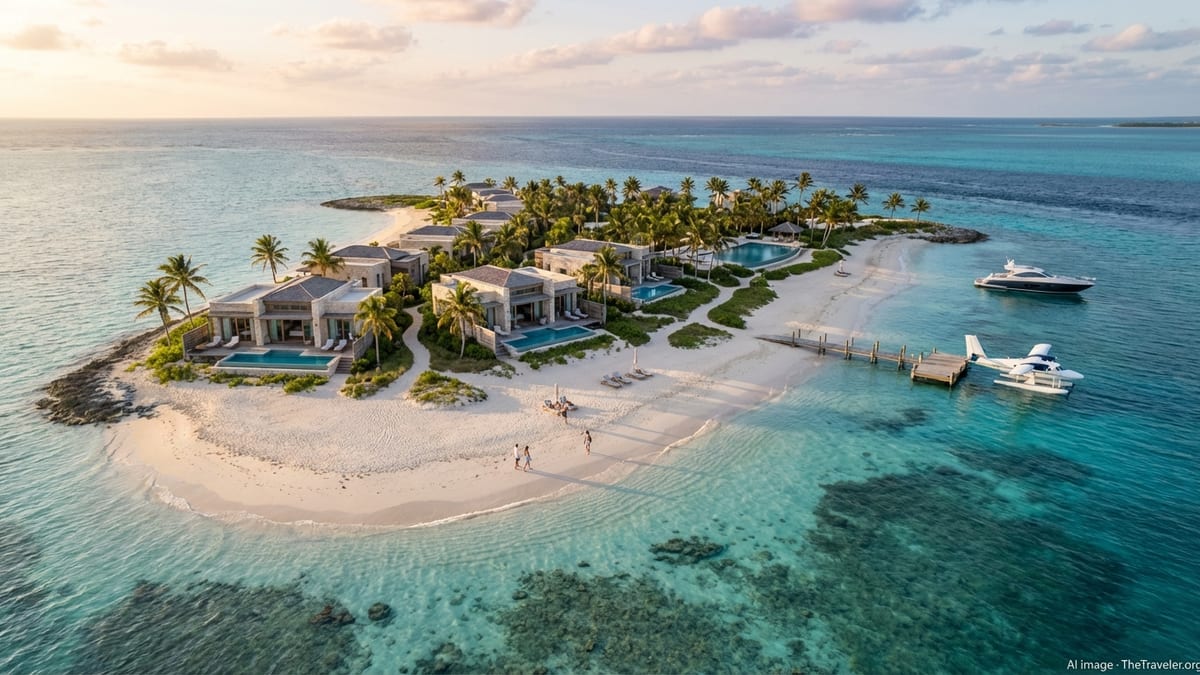
Publicly available information from The Leading Hotels of the World describes Bawe Island as a secluded retreat set on its own private island just off Stone Town, with independent villas spread across 30 hectares of tropical landscape. Each villa offers a private pool and uninterrupted sea views, positioning the property firmly in the ultra-luxury segment.
The resort opened in 2024 and has rapidly drawn attention among high-end travelers and travel advisors. Travel trade descriptions highlight its emphasis on privacy, with only a limited number of villas and expansive common areas configured to capture sunset views over the Indian Ocean.
Leading Hotels presents Bawe Island within its portfolio of independently owned and operated properties, a collection that typically includes historic city grande dames, boutique design hotels, and remote island hideaways. The Zanzibar newcomer extends that reach further along the East African coastline, adding an exclusive private-island option in a market more often associated with barefoot-chic beach resorts on the main island of Unguja.
The affiliation signals that Bawe Island meets the consortium’s membership criteria around service standards, facilities, and distinct identity, while retaining independent ownership and management. Industry observers note that this combination of independence and global distribution appeal is increasingly sought by luxury hoteliers in emerging destinations.
From Newcomer to Award-Winning Resort
Within a year of opening, Bawe Island has already collected notable accolades. World Travel Awards listings show the property named Zanzibar’s Leading Luxury Resort 2025, ahead of several established names across the archipelago. The recognition has been widely referenced in regional travel coverage and tour operator materials that present the island as a new benchmark for high-end hospitality in Zanzibar.
Travel features and resort overviews describe architecture and interiors that blend contemporary lines with references to Swahili and East African design, using natural materials and neutral palettes to foreground the surrounding sea and forest. Large glass openings, outdoor living spaces, and private pools are framed as part of a “barefoot luxury” concept that encourages guests to move seamlessly between indoor and outdoor spaces.
In addition to stand-alone villas, the resort offers helicopter access and high-speed boat transfers from Stone Town, a detail highlighted in multiple travel trade profiles. These access options, along with butler service and curated excursions, position Bawe Island alongside other private-island retreats in the wider Indian Ocean, but with easier air connections via Zanzibar’s international airport.
The speed with which the property has moved from opening to major awards and now to membership in Leading Hotels has been noted by regional tourism analysts as a sign of the pace at which Zanzibar’s luxury segment is maturing.
Elevating Zanzibar’s Appeal to High-Spend Travelers
Industry commentary suggests that Bawe Island’s acceptance into The Leading Hotels of the World is likely to raise Zanzibar’s visibility among high-spend travelers who rely on curated collections for destination discovery. The consortium’s global marketing channels, loyalty partners, and trade relationships frequently influence booking decisions in the upper tier of leisure travel.
Zanzibar has long been popular as a post-safari add-on, with visitors combining wildlife itineraries in Tanzania or Kenya with several days on the coast. Travel planners now cite Bawe Island as an additional option for travelers seeking the privacy of a private island without the long transfers associated with some rival Indian Ocean destinations.
The inclusion of Bawe Island also supports local tourism strategies focused on attracting more premium visitors while managing overall volumes. Regional economic commentary has previously highlighted government efforts to balance growth with sustainability and community benefit, and the arrival of more high-yield, low-density properties is aligned with that approach.
For tour operators and advisors, the Leading Hotels badge serves as a quality signal and simplifies packaging Bawe Island into broader East Africa itineraries. The property’s positioning may encourage longer stays and higher per-trip spending, factors seen as critical to increasing tourism’s contribution to local economies while limiting environmental pressure.
Sustainability, Conservation and “Barefoot” Luxury
Bawe Island’s marketing emphasizes a commitment to environmental stewardship, which has also been highlighted in regional business and travel features. Reports indicate that the resort supports marine conservation initiatives and shoreline protection projects around the island, reflecting a broader shift among luxury properties in East Africa toward more visible sustainability practices.
Descriptions of on-island experiences focus on low-impact activities such as snorkeling, diving on nearby reefs, non-motorized water sports, and guided nature walks. This activity mix, combined with a relatively low villa count and significant undeveloped space, is presented as part of a strategy to preserve the island’s ecosystems while offering a sense of exclusivity.
Industry analysts note that this approach aligns with global trends in luxury travel, where guests increasingly expect strong environmental credentials alongside personalized service and high design standards. In that context, Bawe Island’s positioning as both a conservation-minded retreat and a member of a major luxury consortium gives it an advantage in a competitive regional market.
As sustainability frameworks become more central to destination marketing, properties like Bawe Island are likely to feature prominently in campaigns that promote Zanzibar as a responsible yet aspirational coastal escape.
What Membership Means for the Region’s Hotel Landscape
The addition of Bawe Island to The Leading Hotels of the World adds to a small but growing cluster of internationally recognized luxury properties in Zanzibar. Industry reports suggest that this heightened profile may encourage further investment in high-end, low-density developments, including projects currently planned along the archipelago’s north and east coasts.
Analysts point out that membership in a global collection typically brings not only marketing reach but also access to shared best practices in service, revenue management, and guest experience. Over time, this can influence local industry standards and spur competitive upgrades across the upper tier of the market.
For travelers, the development means that Zanzibar now offers a more diverse spectrum of stays at the luxury level, from boutique beachfront hotels on the main island to fully private island experiences such as Bawe. Travel advisors are expected to monitor how Bawe Island’s affiliation shapes pricing, availability, and seasonal demand patterns, especially around peak months when safari extensions are most common.