


Spreading the cost of a big trip over a few weeks is no longer just the domain of credit cards. Services like Zip, a buy now, pay later platform formerly known as Quadpay, now let travelers split the cost of flights, hotels, and other trip expenses into smaller installments. Used carefully, it can make a last-minute visit home or a long-planned vacation feel more affordable. Used carelessly, it can turn a getaway into lingering debt. This guide explains what Zip really offers for travel, how it works in practice, and what to check before you hit “book now, pay later.”
Get the latest updates straight to your inbox!
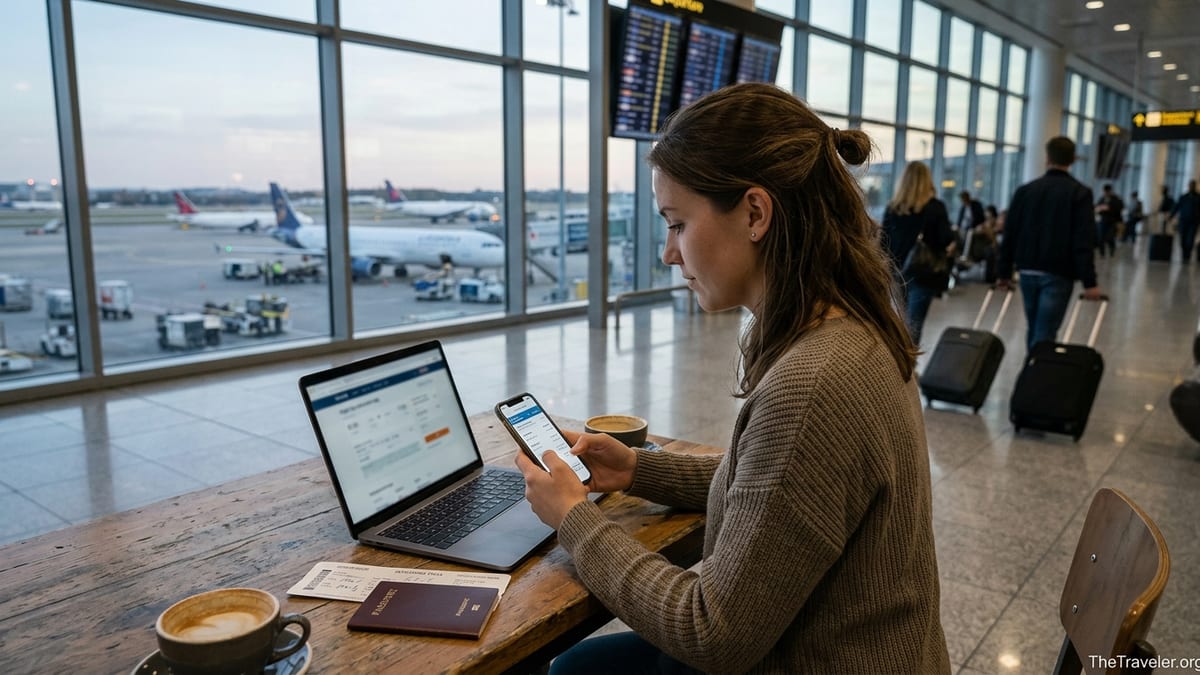
What Zip Actually Is in the Travel World
Zip is a buy now, pay later (BNPL) service that breaks purchases into installments, typically four payments over six weeks, and in some markets two or eight payments for certain plans. Instead of swiping a traditional credit card, you create a Zip account, are given a spending limit, and then use Zip at participating merchants or via a virtual card to complete your purchase. For travel, that might mean splitting a 600 dollar flight into four biweekly payments of about 150 dollars instead of paying the full amount upfront.
Although Zip can be used for everyday retail shopping, the company actively targets travel businesses. On its business-facing materials, Zip highlights that travelers can use installment plans to pay for flights, hotels, car rentals, cruises, and vacation packages, mirroring the way people typically book trips: paying a single large amount upfront and then waiting weeks or months to travel. This focus has helped Zip appear more often alongside checkout options on airline and online travel agency sites, particularly in the United States, Australia, and a handful of other markets.
Behind the scenes, Zip works much like a short-term loan. When you check out using Zip, it pays the travel provider in full. You then repay Zip in installments over the agreed schedule. Zip performs a soft credit check in many markets when you sign up, which does not impact your credit score, and it may adjust your spending power over time based on factors such as your repayment history and overall risk profile. For travelers, that means you should expect your available limit to move up or down rather than remaining fixed.
Importantly, Zip is not a travel agency. It does not control the flight schedule, hotel policies, or refund rules. It is simply the payment layer on top. If an airline cancels your flight or a hotel turns out to be overbooked, your consumer rights still depend on the airline, hotel, or booking platform’s rules. Zip only determines how and when you pay, not what you bought.
How Zip Travel Payments Work in Practice
Using Zip for travel typically follows one of two routes. In the first, you choose Zip directly at checkout on a travel site that has integrated the service. For example, a US-based traveler booking a domestic flight with a major airline that offers pay-later options might see Zip listed alongside other BNPL brands. Clicking that button opens a Zip login window or sign-up flow. Once approved, you pay the first installment immediately and Zip covers the rest of the ticket cost to the airline.
In the second route, you shop with Zip using its app and virtual payment card. Many BNPL users rely on this method when Zip is not shown directly on the travel brand’s checkout page. You would search for a travel merchant in the Zip app, such as a large online travel agency that sells flights from carriers like American Airlines, JetBlue, or international airlines, and generate a one-time virtual card number. You then enter this number on the merchant’s payment page as if it were a standard Visa or Mastercard. The booking goes through, but your repayments are made to Zip over time.
Consider a concrete example. You find a round-trip flight from New York to Los Angeles in August priced at 480 dollars on a major online travel agency. At checkout, you decide to use Zip via the app. Zip approves the transaction and shows a plan of four payments of 120 dollars every two weeks. You pay 120 dollars today to secure the ticket, then another 120 dollars in two weeks, and so on until you reach 480 dollars. The airline receives the full 480 dollars right away, and your ticket is issued as usual.
The same logic applies to other bookings. If you reserve a three-night hotel stay in Miami for 750 dollars on an online travel site that accepts Zip, your payment might be split into four installments of about 187.50 dollars. Some platforms also support pay-in-two or longer schedules for higher-value travel purchases, especially packages that bundle flights and hotels. In all cases, the key point is that Zip smooths the cash flow over several weeks, rather than deferring it for many months or years the way a credit card balance might.
Where You Can Use Zip for Travel Purchases
Zip is designed to work across a mix of direct and indirect travel channels. On the business side, the company promotes its BNPL solutions specifically for airlines, hotels, car rental companies, cruise lines, and online travel agencies. In practice, travelers most often encounter Zip either when booking flights and hotels through online agencies or when using the Zip virtual card at almost any travel site that processes standard card payments from US or Australian customers.
For flights, Zip is commonly paired with online travel intermediaries and platforms that aggregate multiple airlines rather than a single carrier. Travelers might, for example, use Zip to pay for a JetBlue or American Airlines ticket sold through a third-party booking site that has integrated BNPL options. Some airline-specific payment guides also list Zip as one of several pay-later options available indirectly through partner sites, alongside other BNPL brands that focus on airline tickets.
On the accommodation side, Zip usage is similar. You might not see the Zip logo on every hotel’s direct site, but large hotel and vacation rental bookings made via major agencies can often be paid with a Zip virtual card. That means you could reserve a villa in Tuscany priced at 1,200 euros on a well-known global booking platform and pay with Zip as if you were using any other card. The booking system treats it as a normal card transaction, while Zip handles your repayment plan in the background.
Zip can also be applied to add-ons like rental cars, airport parking, city tours, or even cruise deposits, depending on which merchants accept card payments and are compatible with Zip’s systems. A traveler renting a car from a large US chain at Denver International Airport, for instance, could pay the upfront rental charges with a Zip virtual card created through the app. As long as the merchant supports the card network Zip uses in that market, the purchase can usually be split into installments.
What It Really Costs to Use Zip for Travel
Zip promotes interest-free installments as a core benefit, but travelers should understand the full cost structure before relying on it for a big trip. In many markets, Zip charges an upfront or per-transaction fee, sometimes called an origination fee, which can scale with the purchase amount. Depending on the region and the specific product, fees can add a noticeable premium compared with paying in full. For example, a 600 dollar flight might incur a modest fee that pushes your total repayment closer to 620 dollars, even if the installments themselves are technically interest-free.
On top of any standard fee, late payments can quickly get expensive. If you miss an installment, Zip may charge a late fee that varies by jurisdiction, often capped by local regulations. For a traveler juggling several BNPL plans for flights, hotels, and tours, those fees can add up faster than expected. A missed 150 dollar installment on a flight and a 180 dollar installment on a hotel could each trigger separate late charges, effectively raising the cost of the trip without providing any additional value.
It is also important to consider how Zip compares to alternatives. A traveler with a responsible track record on a rewards credit card might prefer to put a 1,000 dollar vacation on that card, earn miles or cash back, and then pay it off in full within the grace period. In that scenario, there may be no interest or fees at all. By contrast, paying a service fee to Zip for the same 1,000 dollar trip could cost more overall, even if it feels easier because the payments are broken into smaller chunks.
That said, for travelers who do not have access to traditional credit or wish to avoid applying for new credit cards, Zip can still represent a less intimidating way to lock in essential trips. For example, someone needing to fly last-minute for a family emergency might not be able to cover a 700 dollar ticket in one hit but might manage four payments of 175 dollars over six weeks, even with a modest transaction fee, especially if the alternative is not traveling at all.
Risks and Limitations Travelers Should Know
Despite its convenience, Zip is not a magic solution. The most immediate risk is overcommitting to future payments. Because each installment feels relatively small, it is easy to underestimate how much of your income will be tied up in the coming weeks. A traveler who books a 500 dollar flight, a 600 dollar hotel, and a 300 dollar rental car using Zip could end up with installments totaling more than 550 dollars due every two weeks for six weeks, on top of everyday expenses like rent and food.
Approval is not guaranteed either. Zip evaluates each purchase individually, which means a traveler might be approved for a 400 dollar domestic flight one day and then declined for a 900 dollar international ticket the next, even with a solid repayment history. Limits can be fluid. People who have used Zip for years often report that their spending power can be raised or lowered without much notice, sometimes in response to broader economic conditions or internal risk models rather than anything they did personally.
Another important limitation is how refunds and cancellations are handled. If an airline cancels your flight and issues a refund, that money is sent back to the original payment method, which in a Zip transaction usually means it goes back to Zip first. Only then does Zip adjust your repayment schedule or pass funds back to your card or bank account, depending on its policies at the time. This can create a lag. During that period, you may still have installments coming due, even though you will eventually be refunded.
Finally, using Zip does not insulate you from foreign exchange issues. If you use Zip’s virtual card to book a hotel priced in euros or yen, your total cost in dollars can still change slightly with conversion rates and any card network fees that apply. Zip may also place holds or temporarily reduce your spending power when large international charges are involved, which can surprise travelers who assume their limit is static.
Smart Ways to Use Zip for Travel, With Real Examples
Used thoughtfully, Zip can be a useful tool in a traveler’s financial toolkit. The key is to treat it as a short-term budgeting aid, not extra money. One practical way to do this is to only use Zip for essential or time-sensitive trips and to keep each plan small relative to your income. For example, a student flying home from Chicago to Phoenix for the winter holidays might use Zip for a 350 dollar ticket, set up four payments of about 87.50 dollars, and build those payments into their budget for the next six weeks while avoiding additional BNPL plans at the same time.
It also helps to keep your travel bookings consolidated. Booking each part of a trip across different platforms and BNPL providers makes it harder to track what you owe. Instead, a family planning a spring break trip to Orlando could choose one online travel agency, use Zip for the combined package of flights and hotel, and pay for park tickets and dining separately in cash or on a single credit card. That way, they have one Zip plan to monitor rather than several overlapping ones with different due dates.
Creating a simple payment calendar can further reduce the risk of missed installments. If you know your paycheck lands on the 1st and 15th of each month, you might schedule travel bookings so that Zip installments line up shortly after those dates, not a few days before. A traveler with a 900 dollar trip split into four payments of 225 dollars could, for instance, time the booking so payments fall just after paydays, leaving enough room for rent and other fixed bills.
Finally, consider pairing Zip with flexible travel bookings when possible. Reserving a hotel with free cancellation until 48 hours before arrival, then paying with Zip, can give you the option to cancel if your finances change, though you must always check how cancellations interact with Zip’s refund process. This approach is especially relevant for long-lead trips, such as booking a resort stay in Hawaii six months in advance, when your income or circumstances might realistically shift before departure.
How Zip Compares With Other Travel Payment Options
Travelers today face a menu of payment choices at checkout: traditional credit cards, debit cards, various BNPL providers, and in some markets dedicated travel financing products. Zip sits in the middle as a flexible, short-term installment tool that works across a wide range of merchants. Unlike some competitors that only operate through partner stores, Zip’s virtual card allows users to spread payments at many travel sites that accept standard card payments for eligible customers.
Compared with monthly installment players that specialize in travel, such as services that spread payments over many months with formal loan agreements, Zip’s six-week or similar schedules tend to be shorter and, for smaller trips, can be less complex. A 400 dollar weekend getaway split over six weeks feels very different from a 3,000 dollar long-haul vacation financed over a year. That said, those longer-term products can make sense for truly large trips when used conservatively and with attention to interest rates.
Against other major BNPL brands that appear at travel checkout, Zip’s strengths include broad merchant coverage via its virtual card and relatively straightforward installment patterns. However, some competitors emphasize zero fees more strongly in certain markets, while Zip often uses transaction fees as part of its revenue model. A traveler who frequently books through a single online travel agency might find that another BNPL provider integrated directly into that site’s checkout offers similar flexibility without some of Zip’s costs.
Ultimately, the comparison comes down to your priorities. If your main goal is to minimize total cost and you can pay in full, a fee-free debit or credit card payment is usually best. If cash flow timing is your main challenge for a short period and you are comfortable with Zip’s fees and rules, then using Zip selectively for travel can be reasonable. What matters is choosing a method that you can manage without stress while still protecting your travel rights and flexibility.
The Takeaway
Zip’s travel offering is not a dedicated “travel service” in the way a full-service agency or airline website is. Instead, it is a payment layer that makes it easier to break the cost of flights, hotels, and other trip elements into manageable chunks over a few weeks. This can be genuinely helpful when you need to travel before all the cash is in your bank account, especially for last-minute trips or essential visits home.
At the same time, those smaller payments are still real money. Fees, late charges, shifting spending limits, and complicated refund flows can quickly turn a simple pay-later plan into an unnecessary financial headache. Travelers who use Zip most successfully tend to keep their plans small, avoid stacking multiple BNPL agreements, align installments with paydays, and stick to essential travel rather than impulse getaways.
If you decide to use Zip for your next trip, treat it like any other short-term loan. Read the terms carefully, understand the total cost, check the refund rules for your flights and hotels, and make a realistic budget for the repayment period. Do that, and Zip can be a useful bridge between the trip you need now and the income you will have in the coming weeks, rather than a lingering bill you regret long after your suitcase is unpacked.
FAQ
Q1. Is Zip a travel agency or a payment service?
Zip is a payment service, not a travel agency. It provides short-term installment plans for purchases like flights and hotels but does not manage schedules, availability, or customer service for the travel itself.
Q2. Can I use Zip to pay for flights on any airline?
You can often use Zip to pay for flights sold through online travel agencies or merchants that accept Zip or its virtual card. Availability varies by airline and booking site, so you may see Zip more often when booking through large intermediaries than on every airline’s own website.
Q3. How many payments will my trip be split into with Zip?
Most Zip travel purchases for eligible users are split into four payments over roughly six weeks, with the first payment due at booking. In some regions and for certain products, Zip may also offer pay-in-two or longer installment options, especially for higher-value trips.
Q4. Does using Zip for travel affect my credit score?
Zip typically runs a soft credit check when you sign up, which does not impact your credit score. However, missing payments could lead to collection activities or other consequences over time, so it is important to pay on schedule.
Q5. What happens if my flight is cancelled after I pay with Zip?
If your airline or booking site cancels the flight and issues a refund, the money usually goes back to Zip first. Zip then adjusts your repayment plan or passes funds back to your original linked payment method according to its policies, which can create a temporary delay before you see the refund.
Q6. Are there fees for using Zip to book travel?
Zip often charges transaction or service fees that can vary by purchase amount and region. While the installments themselves are marketed as interest-free, these fees increase the total cost compared with paying in full, so you should always review the final amount before confirming a booking.
Q7. Can I use Zip for international hotel and flight bookings?
In many cases, yes. If a travel site that sells international flights or hotels accepts Zip or allows you to pay with the Zip virtual card, you can split those purchases into installments. Keep in mind that currency conversion and card network rules can still influence your final cost.
Q8. What if I cannot make a Zip installment on time while traveling?
If you miss an installment, Zip may charge a late fee and could restrict your ability to make new purchases until your account is current. If you anticipate difficulty, it is better to contact Zip in advance if possible and adjust nonessential spending to free up funds.
Q9. Is Zip safer than using my debit card when booking travel?
Zip adds a layer between your bank account and the travel merchant, which some people see as an advantage. However, safety depends more on the reputation of the booking site, your own account security practices, and how well you manage repayments than on the payment method alone.
Q10. Should I use Zip or a credit card for my next trip?
The best choice depends on your situation. If you can pay a credit card bill in full and earn rewards without interest, a card is often cheaper. If your main issue is short-term cash flow and you understand Zip’s fees and repayment schedule, using Zip selectively for essential travel can be reasonable.