


More news on this day
All 186 people on board a small European cruise ship were safely evacuated after the vessel ran aground during a coastal sailing, according to early regional media reports and maritime tracking data.
Get the latest news straight to your inbox!
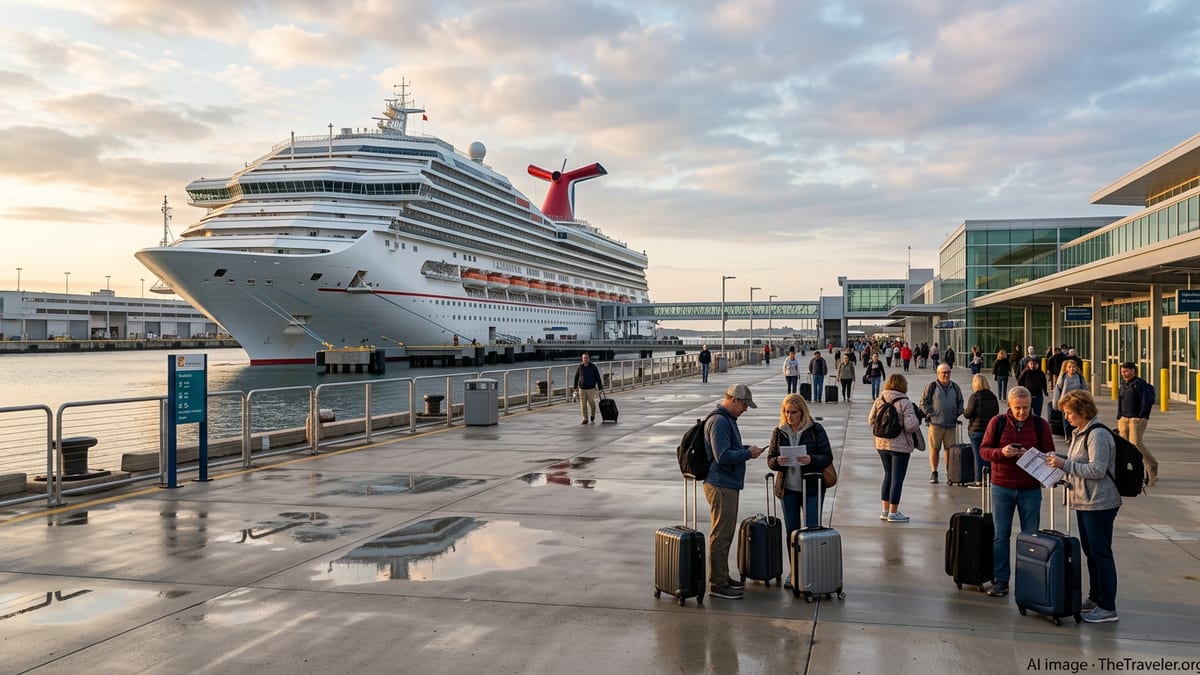
Vessel Grounds During Scenic Coastal Transit
Preliminary information from European news coverage indicates the incident occurred during a scheduled coastal voyage in a popular northern European cruising area, when the ship unexpectedly made contact with the seabed and became stuck in shallow waters. The vessel, operating a relatively short itinerary, was reportedly navigating close to shore to offer guests scenic views when the grounding happened.
Publicly available data from marine tracking platforms shows the ship slowing and then coming to a halt near a narrow channel shortly before local emergency responders were dispatched. The grounding took place in generally calm weather conditions, though updated local reports suggest visibility and tidal conditions may have contributed to the ship straying outside the safest part of the channel.
There were 186 people on board, including both passengers and crew, consistent with the capacity of a small coastal or expedition-style cruise ship rather than a large ocean liner. The ship remained upright and stable after the impact, with no immediate signs of severe structural compromise reported in early coverage.
Regional outlets described the grounding as sudden but controlled, emphasizing that the vessel did not begin to take on water in a way that threatened its buoyancy. That stability allowed emergency services to plan a methodical evacuation rather than a rapid abandon-ship operation.
Rapid Multi-Agency Rescue Brings Everyone Ashore
Search and rescue organizations in the nearest port city mobilized quickly once the alarm was raised, deploying a mix of patrol craft, pilot boats and other support vessels to the grounded ship. Initial accounts indicate that the evacuation unfolded over several hours, with passengers taken off in small groups to nearby harbors.
Reports from the scene describe a staged transfer process, with older and less mobile guests moved first, followed by families and other passengers. Crew members remained on board longer to assist with mustering, luggage retrieval and coordination, before joining the final groups brought ashore.
Local health services set up reception points at the harbor to provide basic medical checks and support. Early summaries from regional media state that there were no life-threatening injuries and that most passengers appeared shaken but unharmed. A small number were reportedly assessed for minor issues such as anxiety, slips or mild exposure while waiting on open decks.
Transport providers in the region arranged onward travel and temporary accommodation for those whose journeys were disrupted. Some passengers were expected to continue their holidays by land, while others were due to be flown home once formalities and statements were completed.
Damage Assessment and Refloating Plans Under Way
Once all passengers had been removed, attention shifted to the condition of the ship and to the risk of pollution in nearby waters. Initial technical briefings described hull damage as localized, with surveyors focusing on the bow and keel areas where the vessel appears to have made first contact with the seabed.
Salvage specialists were expected to board at the next safe opportunity to carry out underwater inspections and to decide whether the ship could be refloated on a high tide or would need to be lightened by removing fuel, stores or ballast. Maritime analysts note that, in similar European groundings, ships are often refloated within one or two tidal cycles if the seabed is soft and damage is contained.
Environmental agencies in the region monitored for any signs of oil sheen or leaking fuel, with early observations suggesting that containment measures were precautionary rather than reactive. Local coverage emphasized that the grounding occurred close to shore in waters valued for tourism and recreation, increasing public attention on environmental safeguards.
The cruise operator is expected to keep the vessel out of service until full repairs and safety checks are completed, which could take weeks depending on the extent of structural and mechanical damage identified in dry dock.
Attention on Navigation Practices and Safety Protocols
The incident has drawn renewed scrutiny to navigation practices in constricted European coastal routes, where cruise lines often sail close to picturesque shorelines to enhance the guest experience. Maritime commentators point to previous groundings in the region as reminders that even experienced bridge teams can face challenges when balancing tight schedules, tidal windows and sightseeing expectations.
Published analyses of past cruise incidents highlight the importance of detailed passage planning, conservative speed in shallow or poorly charted areas and the use of updated electronic charts supported by local pilotage where required. Industry observers note that, in this case, the safe removal of all 186 people underscores the value of regular drills, clearly marked muster stations and practiced communication routines on board.
Passenger accounts appearing in regional media describe an orderly response once the grounding occurred, with safety announcements, distribution of lifejackets and clear instructions about moving to designated areas on the ship. While some travelers expressed frustration at the disruption to their holidays, others emphasized that crew members remained calm and visible during the evacuation.
Regulators and maritime safety organizations in Europe typically review such events to determine whether guidance on minimum under-keel clearance, route planning or crew training needs to be updated. Any formal findings from this incident are expected to feed into that wider discussion about managing risk in increasingly busy coastal cruise corridors.
Broader Context for a Growing European Cruise Market
The grounding comes at a time when cruise traffic in European waters is rebounding and, on some routes, surpassing pre-pandemic levels. Small and mid-sized vessels catering to nature-focused and cultural itineraries have become especially popular, often operating in narrower fjords, archipelagos and historic port approaches where margins for navigational error can be tight.
Maritime safety reports compiled in recent years show that most cruise incidents in Europe involve technical faults, minor pier contacts or weather-related diversions, with serious groundings and casualties relatively rare. Even so, each high-profile event tends to prompt renewed questions about ship design, redundancy in propulsion and steering systems, and the adequacy of emergency response capacity in smaller ports.
Travel industry analysts note that passengers are increasingly attentive to safety records when choosing itineraries, especially on lesser-known routes. Incidents that end without injuries, such as this grounding with full rescue of all 186 people, may cause short-term concern but are less likely to dampen long-term demand if operators communicate transparently and offer clear assurances about improvements.
As investigations proceed, stakeholders across the sector will be watching for any recommendations concerning electronic navigation tools, pilotage requirements and crew resource management on the bridge. The outcome is expected to shape not only the future operations of the ship involved, but also the standards applied to similar coastal sailings across Europe.