


More news on this day
With global tensions, shifting health risks, and ever-changing border rules, checking travel advisories has become a critical pre-departure step rather than a last-minute formality.
Get the latest news straight to your inbox!
Country Risk Levels and Security Bulletins
Government travel advisories are designed to summarize the security environment in foreign destinations and assign a risk level that ranges from routine caution to strong recommendations against travel. In the United States, the Department of State organizes these notices into four tiers, from Level 1, where travelers are advised to exercise normal precautions, to Level 4 guidance that warns against travel due to threats such as conflict, terrorism, civil unrest, or widespread crime. Similar graded systems are used by Canada, the United Kingdom, Australia, and the European Union, giving travelers multiple independent assessments to compare.
Recent updates show how quickly these ratings can change. Several countries in the Middle East and parts of Eastern Europe have moved into higher-risk categories this year, reflecting armed conflict, targeted attacks on infrastructure, and the presence of active militant groups. Country pages typically detail specific hazards, from risks near border regions to incidents involving foreign nationals, and may note restrictions on the movement of embassy staff, which can serve as a signal that the operating environment has worsened.
Travelers are increasingly encouraged to look beyond the headline level and read the narrative sections of these advisories before booking or departing. Security bulletins can outline common crime patterns such as express kidnappings or scams, highlight demonstrations that periodically turn violent, and flag local laws that differ sharply from those at home, including penalties for speech, behavior, or social media activity. Many notices also point out that government assistance may be limited or unavailable in areas where personnel are ordered to depart or where host governments restrict access.
In addition, U.S. citizens are invited to enroll in a federal alert system that sends security updates by email or text while they are abroad. Registration is voluntary, but publicly available guidance notes that it can speed up outreach in emergencies, support evacuation efforts during sudden crises, and help consular officials account for citizens after major incidents such as bombings, earthquakes, or large-scale protests.
Public Health Notices and Disease Outbreaks
Alongside security advisories, public health notices have become an equally important part of pre-travel research. The U.S. Centers for Disease Control and Prevention maintains a graded travel health notice system that alerts travelers to outbreaks, emerging pathogens, and health emergencies in specific regions. These notices, which are updated frequently, describe current situations and recommend measures ranging from routine vaccination checks to postponing nonessential travel.
As of mid-June 2026, CDC postings highlight a series of active outbreaks, including malaria in Mayotte, a chikungunya surge in Mauritius, and a hepatitis A cluster in Manitoba, Canada. Travel health notices also flag a Bundibugyo virus disease situation in the Democratic Republic of the Congo and Uganda, categorizing some of these events at higher advisory levels. Each entry outlines how the disease spreads, who is at greatest risk, and what types of preventive steps are recommended, such as mosquito bite protection, vaccination, or heightened food and water precautions.
These notices are complemented by the CDC’s broader outbreak and surveillance pages, which track international and domestic health events that could affect travelers, from respiratory viruses to foodborne outbreaks. Public health coverage in June 2026 has focused on the potential for summer upticks in COVID-19 in certain regions, early-season West Nile virus concerns, and other vector-borne diseases. For anyone planning travel, this context can help determine whether a destination requires extra preparation, such as booster shots, prescription antimalarials, or advance appointments at a travel clinic.
Health advisories are not limited to diseases. Notices can be issued in response to natural disasters with environmental health impacts, prolonged heat waves, or degraded sanitation in the wake of flooding or conflict. Travel medicine specialists often advise checking these resources several weeks before departure and again shortly before leaving, in case conditions change or new vaccines, medications, or documentation requirements are introduced.
Entry Rules, Visas, and Documentation Requirements
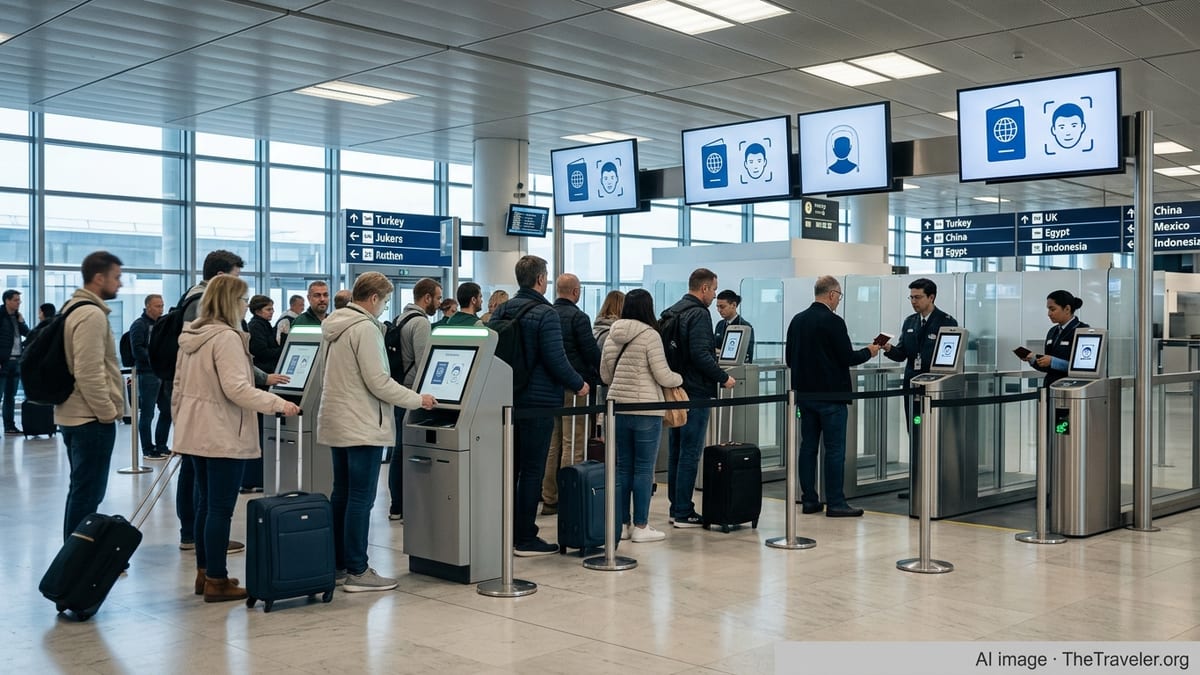
A third critical category of travel advisory covers entry rules, visa policies, and documentation requirements that determine whether a traveler is allowed to board a flight or cross a border. In recent years, many countries have tightened or digitized their systems, introducing electronic travel authorizations, pre-arrival health forms, and stricter passport validity rules that can surprise unprepared visitors. Airlines and border control authorities increasingly rely on centralized databases to verify eligibility long before a passport is stamped.
The International Air Transport Association maintains an extensive database used by airlines and travel agents to check passport, visa, and health requirements for specific routes. Public information about this system notes that it consolidates government regulations on entry, transit, and exit, including minimum passport validity, onward ticket obligations, vaccination certificates where required, and restrictions linked to prior travel in certain countries. Carriers use this data to decide whether a passenger can be accepted at check-in, and may deny boarding if documents are incomplete because fines can be imposed when ineligible travelers arrive at foreign airports.
Governments themselves continue to adjust entry schemes. European states are preparing to roll out a region-wide electronic authorization process for visa-exempt visitors, while several Caribbean and Latin American countries have introduced online forms that must be completed before departure. Some destinations now link health screening questions, proof of vaccination, or insurance information to these digital systems. Reports indicate that travelers who overlook these requirements often face delays, additional fees to complete forms at the airport, or forced changes in itinerary.
Experts in travel risk management frequently recommend verifying entry rules directly on official government portals or through reputable airline and consular resources rather than relying on outdated blog posts or informal advice. They also underline the importance of checking whether recent stamps or visas from certain countries could trigger additional questioning or restrictions, especially in regions experiencing diplomatic tension or sanctions.
Operational Disruptions, Airlines, and Insurance Implications
The final advisory category involves operational risks that can affect a trip even when a destination is open and generally safe. Airspace restrictions, labor disputes, infrastructure failures, and regulatory changes frequently alter schedules at short notice. In 2026, global demand for air travel has continued to grow but at a slower pace than in the immediate post-pandemic rebound, according to industry economic reports, with carriers and regulators still working to balance capacity, safety, and new technology such as 5G systems near airports.
Government aviation authorities periodically issue notices that restrict flights over certain conflict zones or natural disaster areas. Recent State Department advisories regarding Iraq, for example, reference U.S. Federal Aviation Administration notices describing heightened risk to civil aviation in that airspace. Similar announcements have affected routes over parts of Eastern Europe and the Middle East, sometimes forcing airlines to reroute and lengthen flights, or in a few cases suspend service altogether. Travelers with tight connections or complex itineraries are advised to monitor airline alerts closely and consider routing options that avoid volatile regions when possible.
Disruptions can also stem from domestic factors in a traveler’s home country. The extended U.S. federal government shutdown affecting the Department of Homeland Security earlier this year raised questions about the potential impact of staffing shortages on airport security lines, customs processing, and transportation security operations. While core aviation safety functions remained in place, public reports documented localized delays and growing concern about the resilience of travel infrastructure during prolonged political standoffs.
Travel insurance policies interact with advisories in complex ways. Many insurers include clauses that limit coverage for trips to destinations under the highest government warning levels or for losses stemming from declared wars, terrorism, or pandemics. Policy summaries and industry analyses emphasize that once a Level 4-style advisory is in effect, new policies may exclude cancellations tied to that risk, while preexisting coverage might treat events differently depending on timing and wording. Travelers are encouraged to read fine print carefully, paying close attention to how advisories, airline schedule changes, and health emergencies are defined, and to verify whether “cancel for any reason” upgrades are available or worthwhile for higher-risk destinations.