


More news on this day
With Alaska cruise demand surging and ships sailing fuller than ever, a little advance planning can make the difference between a stressful voyage and a smooth, unforgettable week at sea.
Get the latest news straight to your inbox!
Locking In the Right Itinerary and Timing
Before booking, I spent time comparing Alaska routes, focusing on ports, glacier access and time in each destination rather than just the ship itself. Publicly available planning guides emphasize that not all Alaska sailings are the same, with some itineraries prioritizing the Inside Passage and others giving more time in ports such as Juneau, Ketchikan or Skagway. Looking closely at the daily schedule meant I could avoid routes with very short port calls that leave little margin for weather or tender delays.
Seasonality also played a role. Late spring and early fall typically bring cooler temperatures and a higher chance of rain, while midseason departures can offer longer daylight hours and somewhat milder conditions. Travel coverage indicates that wildlife viewing, glacier conditions and even crowd levels vary from May through September, so I chose a sailing that balanced price with the best odds of clear glacier viewing and active shore excursions.
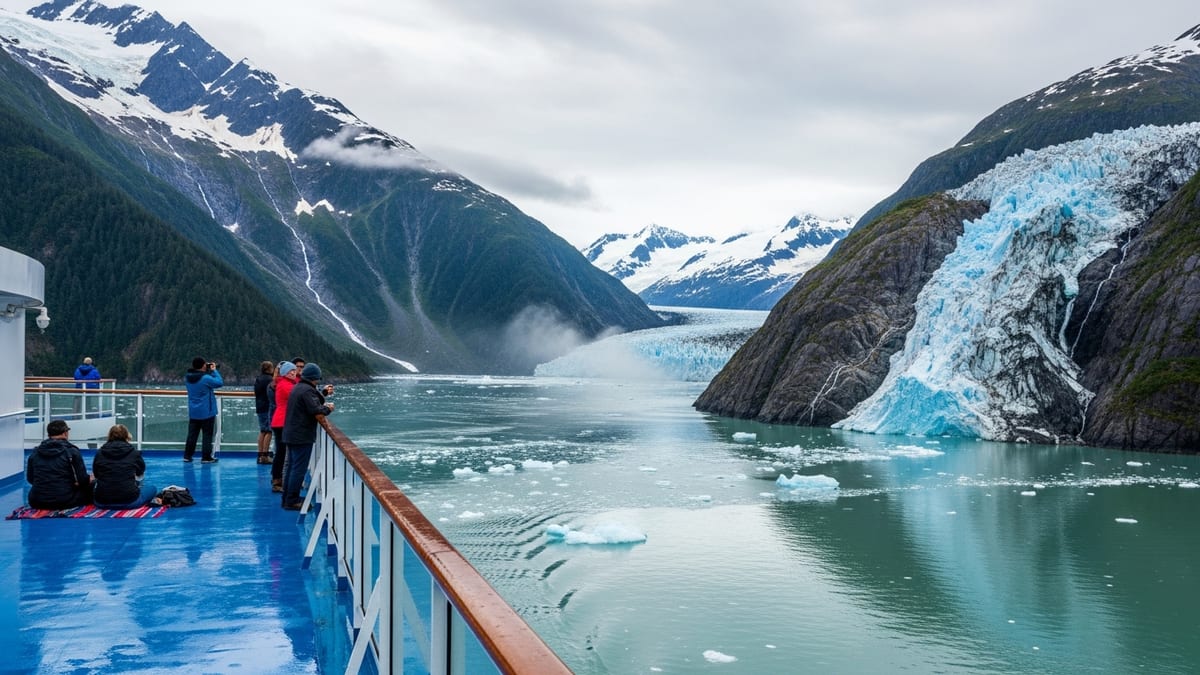
That upfront research paid off. The itinerary I chose included a full day of scenic cruising in a glacier area, plus port times that ran long enough to fit in both organized tours and unstructured wandering. By understanding how different sailings allocate time, I avoided the common surprise of discovering once on board that a dream port stop lasts only a few rushed hours.
Pre-Booking Key Shore Excursions and Logistics
Well before departure, I blocked out time to review shore excursion options and basic logistics in each port. Recent Alaska cruise bulletins and operator brochures show that high-demand activities such as glacier helicopter flights, small-boat wildlife tours and dog-sledding often sell out weeks or months ahead of sailing. Booking early allowed me to secure one “bucket list” tour in each port instead of scrambling once on board or settling for whatever was left.
I also made a simple port-by-port plan that included walking routes, backup activities and timing reminders. Travel forums and cruise planning checklists frequently recommend building in buffers so that independent travelers do not cut return times too close to all-aboard. I chose a mix of cruise line excursions, which simplify timing, and carefully researched independent operators with schedules that kept a generous cushion before ship departure.
Thinking about logistics extended beyond excursions. I arranged airport transfers and a one-night pre-cruise hotel stay in the departure city, a step many experienced cruisers recommend to protect against flight delays. Having accommodation and transfers organized in advance meant embarkation day felt like the start of the holiday rather than a race against the clock.
Packing for Layers, Rain and Changing Conditions
One of the most impactful steps came before I ever reached the ship: packing specifically for Alaska’s fast-changing coastal weather. Current packing guides consistently stress a layering strategy, with a base layer for moisture management, a warm midlayer and a waterproof shell on top. I followed that advice closely, building outfits around thin, versatile pieces instead of heavy single-purpose coats.
Rain gear moved from “optional” to “essential” on my list. Lightweight waterproof pants, a hooded rain jacket and quick-dry socks made it possible to stay outside on deck during glacier viewing and to continue exploring ports when showers moved in. Travelers returning from recent Alaska sailings frequently report that those without proper rain layers either retreat indoors early or end up buying last-minute gear ashore.
Footwear choices mattered as well. Rather than packing multiple bulky options, I brought one pair of waterproof hiking shoes for excursions and a comfortable pair of slip-on shoes for the ship. This combination handled wet docks, uneven trails and chilly decks without overloading my suitcase. By focusing on function, layering and packable fabrics, I stayed comfortable across a wide range of temperatures, from cool, misty mornings to surprisingly mild afternoons.
Organizing Health, Tech and Onboard Essentials
Another set of changes that improved the trip took place in my carry-on bag. Publicly available cruise checklists increasingly highlight the importance of a compact health kit and a few well-chosen tech items on sailings to remote regions. I assembled a small supply of over-the-counter medications, adhesive bandages, motion-sickness remedies and basic first-aid items so that I did not have to rely on shipboard shops with limited hours and higher prices.
On the technology side, I added a portable power bank, a compact pair of binoculars and a small dry bag for electronics. Recent guides for Alaska cruises note that long days ashore, constant photo-taking and spotty access to indoor charging can leave phones drained just as wildlife appears or a glacier comes into view. The extra battery power and protection from drizzle meant I could keep cameras and phones ready without worrying about moisture or low charge.
Finally, I organized key documents and small necessities in a dedicated embarkation-day pouch. Having passports, cruise check-in documents, luggage tag information and a pen in one place sped up the boarding process and avoided last-minute rummaging. While each of these steps seemed minor on its own, together they kept small problems from becoming distractions once the trip began.
Setting Expectations and Building in Flexibility
The last pre-cruise step was less about gear and more about mindset. Travel advisories and recent coverage of cruise operations in northern regions underline that weather, sea conditions and port logistics can change quickly, leading to altered routes or canceled excursions. Instead of treating the printed itinerary as a guarantee, I approached it as a plan that might shift, resolving to focus on what I could control.
Before departure, I reviewed typical weather patterns for the month of my sailing, read up on how often specific excursions are delayed or adjusted, and reminded myself that safety and conditions come first. That preparation meant that when one outdoor tour was rescheduled due to low clouds, it felt like an expected part of Alaska travel rather than a crisis. I used the unexpected free time to explore the port on foot, visit a small museum and linger in a local café.
Building in flexibility also meant not over-scheduling every hour in port. By planning one anchor activity and leaving the rest of the day open, I could adapt to what the weather and the destination offered, whether it was a clear window for extra time on a viewing deck or a chance encounter with a local event. Going in with realistic expectations and a willingness to adjust turned potential frustrations into some of the most memorable moments of the voyage.