


More news on this day
Travelers on American Airlines flight AA2838 from Tampa to Philadelphia faced unexpected disruption this week when the Boeing 737-800 service diverted to Atlanta Hartsfield-Jackson International Airport, prompting aircraft changes and knock-on schedule adjustments across the route.
Get the latest news straight to your inbox!
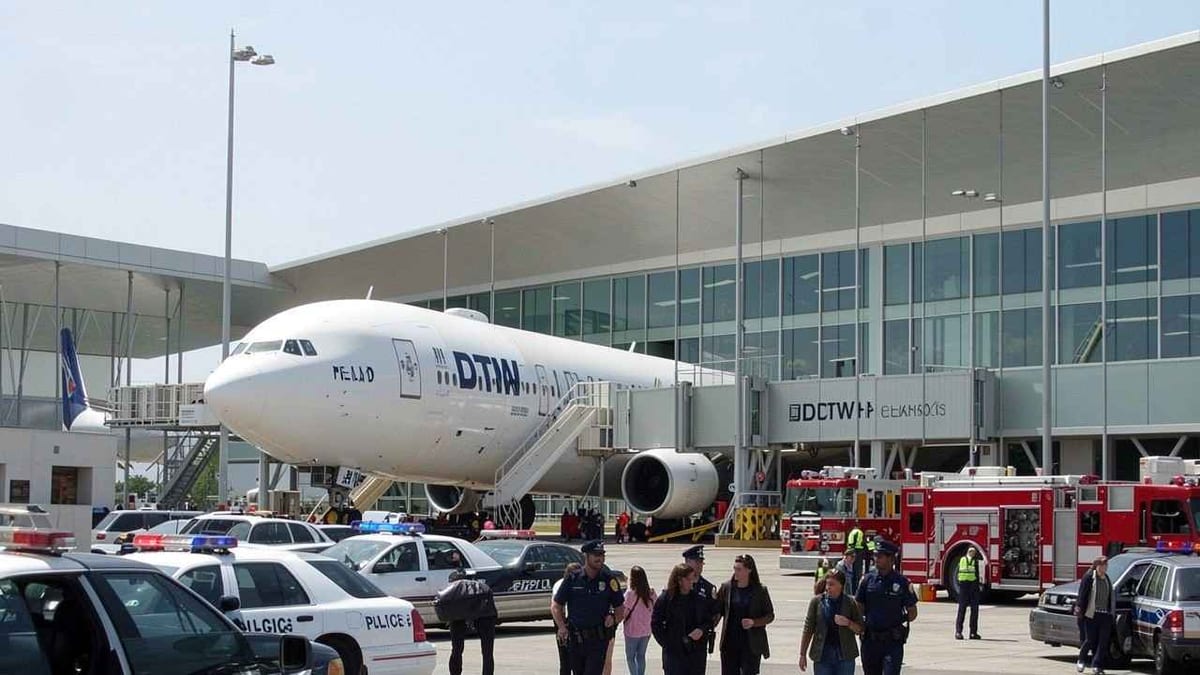
What Happened to Flight AA2838
Publicly available flight-tracking data shows that American Airlines flight AA2838, normally operating between Tampa International Airport and Philadelphia International Airport, experienced an irregular operation that resulted in a diversion to Atlanta Hartsfield-Jackson International Airport. The flight, listed as a Boeing 737-800 service, altered its planned routing and timing, with the aircraft ultimately continuing the journey to Philadelphia after the unscheduled stop.
Tracking records indicate that the affected rotation occurred in early July, during a busy summer travel period on the East Coast. The aircraft involved had been scheduled to operate the evening Tampa to Philadelphia leg, part of a pattern of daily services on this corridor. The diversion placed additional pressure on a route that already shows tight turnaround times and high seasonal demand.
Operational databases do not list an official cause for the change of course. In similar situations, diversions on domestic routes between Florida and the Northeast commonly stem from weather systems along the Eastern Seaboard, air traffic control flow restrictions or precautionary technical checks that require an intermediate landing.
Following the diversion, subsequent AA2838 services resumed on the Tampa to Philadelphia route, suggesting that the disruption was limited to a single rotation rather than a systemic schedule overhaul. Later flights on the same flight number are recorded as arriving in Philadelphia as planned, using 737-800 aircraft.
Why Flights Divert on Busy East Coast Routes
Flight diversions on United States domestic routes are not unusual, particularly in the busy airspace connecting Florida, the Mid-Atlantic and the Northeast. Industry and regulatory data show that aircraft may divert for a range of reasons, including convective thunderstorms, low visibility, congestion near major hubs and route closures that temporarily limit available airspace.
East Coast weather patterns in summer frequently produce fast-developing storm lines that can affect large sections of the corridor between Florida and Pennsylvania. When this happens, air traffic control may impose spacing requirements or holding patterns that increase flight times and fuel burn. If onboard reserves approach planning limits, a crew may choose to divert to a suitable alternate airport such as Atlanta or Charlotte to refuel or wait out conditions.
Technical considerations can also prompt a diversion. Airlines routinely instruct crews to land at the nearest practical airport if cockpit indications suggest a possible systems issue that warrants ground inspection. In many cases, checks reveal no major fault and the aircraft is cleared to continue, but the precautionary stop still disrupts schedules and aircraft rotations.
Large hubs like Atlanta Hartsfield-Jackson are commonly used as diversion points because they offer extensive maintenance facilities, multiple runway options, and plentiful gates. This can simplify both technical support and the rebooking of passengers onto onward services when necessary.
How the Diversion Affects Passengers
For travelers on AA2838, the diversion translated into extended travel time and revised arrival plans in Philadelphia. Flight-tracking timelines indicate that the affected service landed later than the originally scheduled arrival, compressing connection windows for some passengers and potentially pushing others onto later departures to their final destinations.
Operational data from Philadelphia International Airport for the same period shows a mix of on-time arrivals and weather-related delays on several carriers, reflecting a generally constrained operating environment. When one flight in a tightly timed evening bank encounters a diversion, it can ripple through subsequent departures and aircraft assignments, which may explain minor timing adjustments on later American Airlines services into and out of Philadelphia.
Passengers on disrupted flights are typically re-accommodated on the next available services when missed connections occur. During peak summer periods, however, limited spare seats can mean longer waits, overnight stays or rerouting via alternate hubs. Travelers on AA2838 and its onward connections may therefore have seen a range of outcomes, from relatively modest delays to more substantial itinerary changes.
Onboard experience during a diversion generally remains routine, with cabin crews following established procedures, securing the cabin for an unscheduled landing and updating customers based on information provided through standard airline channels. Once on the ground, passengers either stay on board for refueling or deplaning, depending on operational needs and local airport arrangements.
What Travelers Should Do if Their Flight Diverts
Recent advisory notices issued by American Airlines for East Coast operations emphasize the importance of monitoring flight status closely during periods of unsettled weather. Travelers are encouraged to use airline apps, departure boards and airport announcements to stay informed, particularly when connecting through major hubs such as Philadelphia or Atlanta.
When a diversion occurs, the first priority for passengers with onward connections is to verify whether their connecting flights are still operating as scheduled and whether minimum connection times can still be met. If a connection is no longer feasible, same-day changes are often possible at no additional fare during major weather or airspace disruptions, according to the airline’s public exception policies.
Travelers are also advised to keep essential items such as medication, chargers and basic toiletries in their carry-on luggage. Diversions can lead to overnight delays away from the original destination, and checked bags may continue separately depending on how the airline restructures the flight plan and aircraft assignments.
For those with time-sensitive plans on arrival in Philadelphia, such as cruises, rail connections or events, contingency planning can help reduce stress. Flexible hotel reservations, travel insurance that covers missed connections, and a clear understanding of airline customer service channels can all prove useful when unexpected changes like the AA2838 diversion occur.
Broader Context for American’s Tampa–Philadelphia Route
The Tampa to Philadelphia corridor is a well-established domestic link served by multiple daily flights, particularly in the summer travel season. American Airlines uses Boeing 737-800 aircraft extensively across its East Coast network, including this route, balancing capacity with the flexibility needed to reposition aircraft when disruptions arise.
Operational history for AA2838 in the days surrounding the diversion shows a return to regular timing, with the flight departing Tampa and arriving in Philadelphia close to schedule. This pattern indicates that the event was an isolated irregular operation rather than a precursor to broader route changes or a long-term fleet reassignment on the pairing.
Industry research on diversion patterns suggests that most unplanned stops are resolved without lasting impact on route structures. Airlines refine fuel planning, crew scheduling and contingency routing algorithms over time to reduce the likelihood and severity of disruptions, especially on high-traffic domestic lanes.
For travelers, the AA2838 episode serves as a reminder that even routine domestic flights can be affected by fast-changing operational factors. While diversions are relatively rare compared with the total number of daily departures, they remain an inherent possibility in commercial air travel, particularly in congested and weather-sensitive regions of the United States.