


More news on this day
Heavy monsoon rains sweeping across Delhi and the wider National Capital Region have disrupted air travel for a second straight day, prompting IndiGo to issue an urgent advisory warning passengers of delays, schedule changes and longer processing times at Indira Gandhi International Airport.
Get the latest news straight to your inbox!
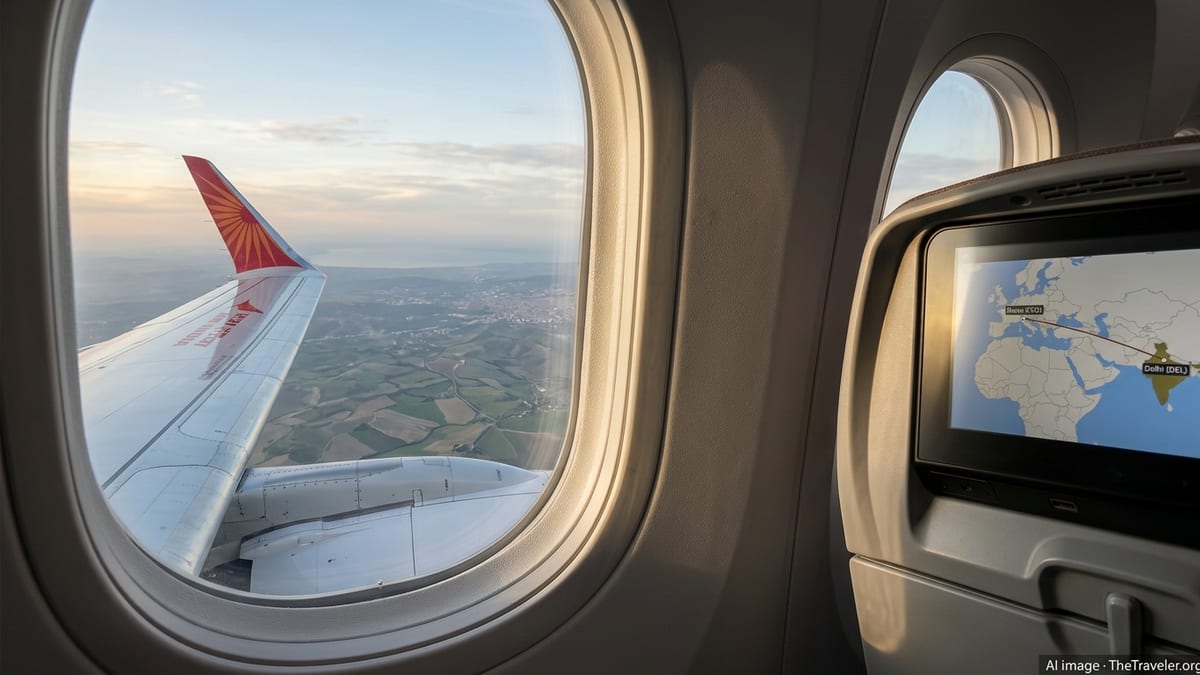
Monsoon Deluge Hits Key Hub at Peak Travel Period
The latest spell of intense showers over Delhi arrived just as the seasonal monsoon pattern strengthened across northern India, creating challenging conditions at one of the country’s busiest aviation hubs. Publicly available information from the India Meteorological Department indicates that the capital has been under successive rain and thunderstorm alerts this week, with forecasts pointing to heavy downpours and low visibility at intervals.
According to published coverage in Indian business and financial media, Wednesday’s downpour led to disruptions throughout the day as arriving and departing flights were forced to navigate rapidly changing weather windows, wet runways and occasional holding patterns. The impact has been particularly acute for IndiGo, which operates a dense schedule of domestic and regional routes through Delhi and uses the airport as a primary connecting node.
Airline tracking data cited in local reports shows that dozens of flights experienced delays running into several hours, with knock-on effects spreading to evening and early morning services. As aircraft and crews rotated late into subsequent sectors, congestion built up both on the tarmac and within terminal areas, extending queues at check-in, security and boarding gates.
Delhi’s disruption comes amid a broader monsoon-related strain on India’s aviation network, with recent days also seeing weather-linked delays and cancellations in Mumbai and other urban centers. Travel analysts note that the combination of peak-season demand and weather-sensitive operations can quickly erode buffer capacity when multiple hubs are affected in close succession.
IndiGo Advisory Urges Early Arrival and Real-Time Checks
In response to the deteriorating conditions, IndiGo has issued a travel advisory cautioning customers that bad weather in Delhi is affecting flight schedules and could continue to do so as the monsoon system lingers over the region. According to media summaries of the advisory, passengers have been urged to regularly monitor their flight status through digital channels before leaving for the airport and to plan for extra time on the road due to waterlogged streets and slow-moving traffic.
The airline has also asked travelers to arrive at the terminal well ahead of their scheduled departure time to account for longer queues and possible reallocation of boarding gates. Check-in and baggage drop counters have been reported as particularly busy during the early morning and late evening banks of flights, when multiple services converge around short weather windows.
Published reports describe IndiGo as “closely monitoring” conditions in Delhi and adjusting operations to minimize disruption where possible, including tactical re-timings and, in some instances, temporary rerouting of aircraft within its domestic network. However, given the nature of monsoon weather systems, industry observers say there is limited room for airlines to make up lost time until rainfall intensity and visibility stabilize.
Passenger advisories from IndiGo follow similar messages issued by other Indian carriers over the past 48 hours, underscoring the level of operational uncertainty facing anyone flying into or out of Delhi. For travelers with tight onward connections or critical appointments, commentators are recommending flexible itineraries and, where feasible, the option of rescheduling to more weather-favorable time slots later in the week.
Airport Operations Strained by Waterlogging and Visibility Issues
Indira Gandhi International Airport has remained open, but the combination of heavy rain, gusty winds and standing water in surrounding areas has complicated ground and airside operations. Local news coverage notes instances of aircraft spending extended periods on taxiways waiting for departure clearance, along with arrival holds as air traffic controllers sequences flights through bands of active weather.
Ground handling teams have been working in wet and slippery conditions, which slows the turnaround of aircraft at the gate and reduces the speed at which baggage and cargo can be loaded or unloaded. Publicly available airport updates indicate that priority has been given to safety margins on wet runways, with landings and take-offs adjusted in line with changing wind and visibility parameters throughout the day.
Inside the terminals, passengers have reported crowded seating areas and limited spare capacity at food and beverage outlets, as delayed customers wait out extended connection times. While key systems have remained operational, sustained rainfall around the city has contributed to localized flooding on approach roads and in some airport-adjacent neighborhoods, further complicating the journey for those trying to reach their flights on time.
For airport planners, this week’s events add to growing evidence that Delhi’s aviation infrastructure must increasingly contend with intense, short-duration rainfall events that can overwhelm drainage and traffic management systems. Aviation specialists point out that even when runway surfaces remain serviceable, associated ground access and staffing constraints can still slow the overall throughput of passengers and aircraft.
Warnings for Passengers Across India’s Monsoon Corridor
The IndiGo advisory has resonance beyond Delhi, as the same monsoon system is influencing weather patterns along several of India’s busiest domestic routes. National coverage of the current spell highlights heavy or very heavy rainfall forecasts for parts of Uttar Pradesh, Rajasthan, Haryana and Punjab, all of which are closely tied into the capital’s air network through high-frequency services.
Travel-focused reports stress that passengers flying between affected states should be prepared for rolling delays as storms move across the region, causing temporary ground stops or diversions. Even flights that do not originate or terminate in Delhi may experience disruption if aircraft are scheduled to pass through the capital or if earlier segments in their day’s rotation are delayed by local weather elsewhere.
Some commentators have noted that the present situation comes against the backdrop of an already stretched aviation system, which has faced periodic capacity constraints, staffing pressures and infrastructure bottlenecks at major airports. The addition of volatile monsoon conditions, they say, places further emphasis on real-time communication between airlines and customers, particularly on shorter domestic routes where travelers may be more inclined to make late changes to their plans.
Given the evolving nature of monsoon rainfall, public weather information outlets are advising passengers to track both airline updates and regional meteorological bulletins, especially when traveling to or from cities identified as current rain hotspots. The combination of reliable forecast data and proactive engagement with airline channels is being framed as the best available strategy for minimizing the risk of missed flights and extended airport stays.
What Travelers Should Do Now
With the advisory in effect and forecasts pointing to continued unsettled weather in the short term, travel experts recommend that passengers booked on IndiGo services through Delhi adopt a cautiously flexible approach. This includes checking flight status multiple times on the day of departure, leaving additional buffer time for airport transfers, and ensuring that contact details in airline bookings are up to date to receive notifications.
Those with connecting itineraries, particularly involving international legs, are being encouraged by travel commentators to consider rebooking to longer connection windows or alternative routings if possible. For essential journeys that cannot be postponed, carrying basic essentials in cabin baggage, such as medications and chargers, may help ease the stress of unexpected waiting periods in terminals.
Consumer advocates quoted across recent media coverage also underscore the importance of understanding ticket conditions, including fare rules around changes and cancellations, as well as the scope of any travel insurance in place. In situations where widespread weather disruption affects large numbers of flights, the range of options provided by airlines can vary depending on fare type and route, making it crucial for passengers to know what flexibility they are entitled to request.
As the monsoon progresses, observers expect that India’s airlines and airports will continue refining their rainy-season playbooks, from staffing rosters and contingency schedules to communications strategies. For now, with Delhi’s skies still unstable, IndiGo’s advisory serves as a clear signal that anyone passing through the capital in the coming days should factor weather-related uncertainty into every leg of their journey.