


When you are ready to spend serious money on a trip, choosing the right premium tour company matters as much as the destination itself. Abercrombie & Kent and Butterfield & Robinson both promise seamless logistics, beautiful hotels and a level of hand-holding that lets you focus entirely on the experience. Yet they deliver that promise in very different ways. Understanding those differences will help you decide which name on the proposal actually fits the way you like to travel.
Get the latest updates straight to your inbox!
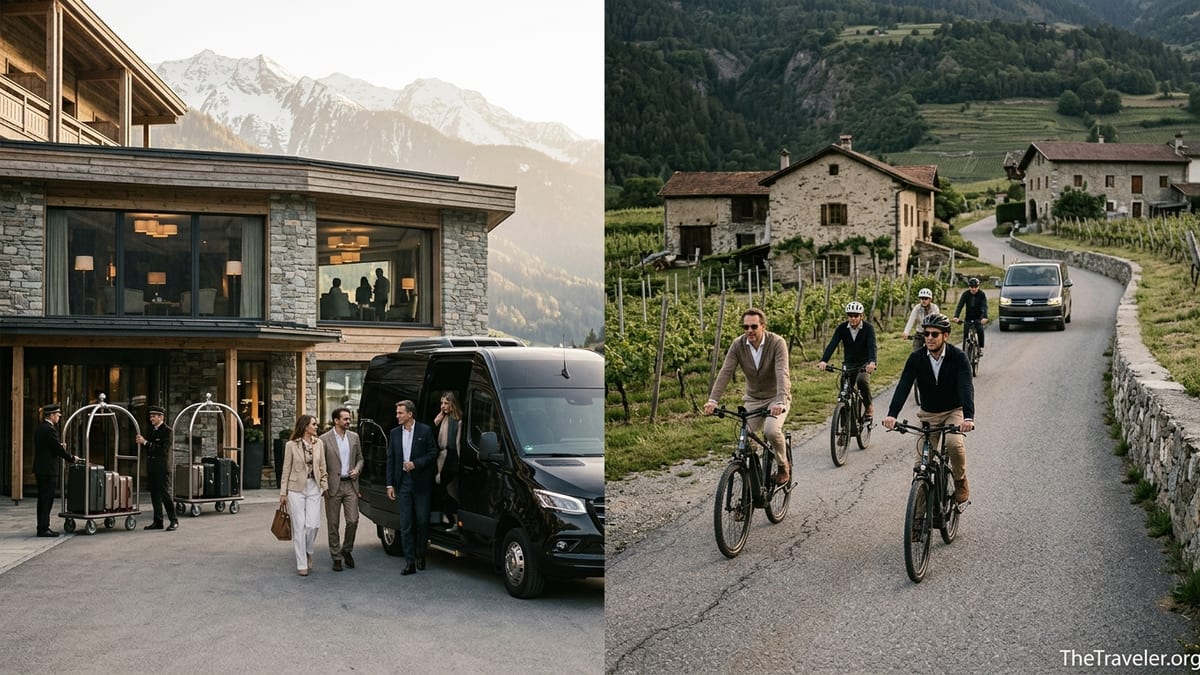
Two Icons of High-End Guided Travel
Abercrombie & Kent, founded in 1962, built its reputation on luxury safaris in East Africa and has since expanded to all seven continents. Today the company runs everything from small group journeys limited to around 18 guests to tailor-made trips, expedition cruises and private jet itineraries. On a typical Small Group Journey, such as a two-week "Spain & Portugal" itinerary, you might see a published maximum of 18 travelers and pricing starting in the mid-teens per person in US dollars for 2025 departures, reflecting the fully escorted nature and high-end hotels involved.
Butterfield & Robinson, created in 1966, took a different path. It pioneered luxury active travel, focusing on trips where biking, walking and hiking are the backbone of the itinerary. A small group New Zealand biking journey, for example, runs roughly nine days with a maximum group size in the mid-teens and starting prices in the high teens per person in US dollars, reflecting the use of boutique lodges and extensive on-the-ground support. While both brands sit firmly in the premium to ultra-premium space, the way they structure a day on tour feels quite distinct.
In practical terms, Abercrombie & Kent usually attracts travelers who want curated access, seamless logistics and a broad mix of cultural and scenic highlights with minimal physical exertion. Butterfield & Robinson tends to appeal to travelers who see the day’s ride or hike as the highlight in itself and want their splurge to revolve around active time outdoors paired with excellent food, wine and characterful accommodations.
Travel Style: Classic Luxury vs Active Immersion
If you picture your ideal day on the road as being driven between sites in an air-conditioned vehicle, with your guide handling museum tickets and restaurant reservations, Abercrombie & Kent is often the better philosophical match. A typical A&K day in Egypt might involve a private opening of a temple before the crowds, a curated visit to the Egyptian Museum and an evening on a Nile cruiser with a cocktail on deck. Walking distances are manageable, and while you will certainly move around, the focus is on comfort and access rather than exertion.
With Butterfield & Robinson, everything is designed around the activity. On a Provence biking trip you might spend the morning riding e-bikes through vineyards and hill towns, choosing between an easier undulating route or a steeper challenge, followed by a long lunch at a countryside inn and a late-afternoon wine tasting. Distances are often flexible, with options for stronger and more relaxed cyclists, and a support van always nearby. The day’s rhythm is slower in terms of distances covered but deeper in terms of sensory experience: you smell the lavender, feel the gradients and notice small details you would not see from a bus window.
For some travelers, the choice comes down to energy level and mobility. If you or a partner have limited mobility, are recovering from injury or simply prefer shorter walks and more vehicle time, Abercrombie & Kent’s style will likely feel more comfortable. If you already enjoy cycling weekends, long walks or guided hikes at home and want that integrated into your holiday, Butterfield & Robinson’s active-first design will probably be far more satisfying.
Group Size, Guides and On-the-Ground Support
Both brands position small groups as a key part of the experience, but the details matter. Abercrombie & Kent’s Small Group Journeys are typically capped at around 18 guests, with averages often closer to the low teens. That allows them to use smaller hotels and more intimate venues than large-bus operators. Trips are led by Resident Tour Directors who usually live in the region and by local specialist guides at specific sites. On a Great Migration safari, for instance, your journey director coordinates lodge changes, charter flights and border crossings, while local rangers lead individual game drives.
Butterfield & Robinson small group trips generally run with a maximum of about 16 travelers, often split between two expert guides and a support vehicle driver. The ratio of staff to guests is high by industry standards. On a Japan walking and hiking journey, for example, one guide might lead the faster group up a ridge while another walks at a more relaxed pace along a valley trail, then everyone reconvenes for a shared inn dinner. The support van shuttles luggage, handles bike adjustments and offers a seat to anyone who wants to sit out a stretch.
Service style also differs. Abercrombie & Kent leans into polished, almost hotel-like service: porters handle bags, drivers greet you with cold towels, and special access moments are choreographed in advance. Butterfield & Robinson’s service feels a bit more like traveling with highly capable adventure-loving friends who also happen to be logistics experts. They are there to refill your water bottle, set up a picnic in a vineyard and tweak your bike fit, but the vibe is intentionally relaxed and informal.
Destinations and Typical Itineraries
Abercrombie & Kent has one of the widest destination portfolios in the premium guided space. Beyond its historic strength in Africa, it runs small group and tailor-made itineraries across Europe, Asia, the Middle East, Latin America, North America, the Polar regions and even around-the-world private jet journeys. Itineraries often cover the classic highlights with some insider twists: a two-week Iberia journey that pairs Madrid and Lisbon with whitewashed villages and Douro wine estates, or a limited-guest East Africa safari that times game drives to seasonal wildlife movements and includes a balloon ride over the savannah.
Butterfield & Robinson also offers global coverage but concentrates on destinations that lend themselves to active exploration. Europe is a major focus, with well-loved routes in places like Tuscany, Burgundy and the Dalmatian Coast. In recent seasons the company has expanded in Asia and the Pacific, with walking trips in Japan and cycling routes in New Zealand and Vietnam. A typical itinerary balances activity days with encounters such as a cooking class in a family home, a truffle hunt with a local producer or a visit to a small-scale winery well off the standard coach-tour circuit.
When choosing between them, it helps to look at destination fit. If your dream is an in-depth, mostly vehicle-based cultural immersion in places like Egypt, Jordan or India, Abercrombie & Kent’s infrastructure and experience in those regions can be a strong advantage. If your dream is to ride e-bikes village to village through France or walk between ryokan in rural Japan while your luggage is transferred ahead, Butterfield & Robinson’s itineraries are optimized for that slower, ground-level pace.
Comfort, Hotels and Overall Luxury Level
On paper both companies position themselves firmly in the luxury category, but how that luxury shows up can feel quite different in practice. Abercrombie & Kent frequently uses well-known five-star or close-to-five-star properties in major cities, along with high-end safari camps and boutique hotels in more remote areas. Think river-view suites in a venerable European grand hotel, tented camps with plunge pools on an African safari or expedition ships with spacious cabins in Antarctica. Modern comforts such as air conditioning, strong Wi-Fi where feasible and extensive guest services are central to the promise.
Butterfield & Robinson often prioritizes character and location over brand recognition, especially on its European and Asian trips. You are more likely to find yourself in a stone farmhouse turned inn overlooking Tuscan vineyards, a design-forward boutique hotel in Copenhagen or a traditional ryokan with tatami mats and onsen baths in Japan. Room sizes may be smaller than a city five-star, but the trade-off is direct access to trails, country roads and village life just outside the door.
Luxury also means different things in day-to-day details. Abercrombie & Kent travelers might value things like luggage unpacking services on arrival, 24-hour assistance from local offices and access to premium cabin upgrades on internal flights arranged through the company. Butterfield & Robinson travelers are more likely to rave about the quality of picnic spreads set up mid-ride, the thoughtfulness of having different bike frames ready in advance or the ability to swap a hard climb for a gentle valley route without feeling they are disrupting the group.
Pricing, Value and What Your Money Buys
Both operators sit at a price level that can surprise travelers used to planning independently, so it is worth understanding what is included. Abercrombie & Kent’s small group journeys commonly start in the low-to-mid five figures per person in US dollars for trips of around two weeks, especially in high-demand destinations such as East Africa safaris or multi-country Europe. That typically includes high-end accommodation, most meals, private sightseeing, internal flights or charter segments where needed and extensive on-the-ground staffing. Tailor-made trips or private jet journeys can rise significantly higher, sometimes into six figures for two travelers on a completely customized itinerary with top-tier suites and exclusive use experiences.
Butterfield & Robinson trips are similarly priced at the premium end of the market, reflecting small group sizes, premium or luxury boutique hotels, high-quality equipment and a rich staff-to-guest ratio. A nine-day small group biking itinerary in New Zealand, for example, priced from the high teens in thousands per person, typically includes top-level lodges, most meals, high-spec bikes or e-bikes, support vehicles and guided rides each day. Bespoke private trips, especially multi-generational "legacy" journeys designed for extended families, can climb steeply depending on villa choices, yacht charters and special events layered into the program.
Value is subjective, but a useful way to compare is to break down per-day cost against what is included. If you are comparing a 10-day Butterfield & Robinson biking journey with a 10-day Abercrombie & Kent cultural itinerary, factor in that the B&R price includes all the activity infrastructure such as gear, guides and support vehicles, while the A&K price may include more high-end vehicle transfers, premium admissions and curated experiences like private museum openings. Travelers who derive maximum joy from physically engaging with landscapes may feel they get more value per day from B&R, while those who care more about comfort, access and reduced effort may feel the A&K price premium is justified.
Who Each Company Suits Best
Abercrombie & Kent is normally best suited to travelers who want high comfort, rich cultural content and smooth logistics but do not necessarily want to be active all day. Think couples in their 50s, 60s or 70s celebrating milestone occasions, families seeking complex multi-country itineraries without planning stress or professionals with limited vacation time who are willing to pay for someone else to sweat every detail. A common pattern is a traveler booking a once-in-a-lifetime safari, Galapagos expedition or Egypt cruise-and-land package and preferring to work with a company that has run similar trips for decades.
Butterfield & Robinson, by contrast, fits travelers who are willing to exert themselves to gain those "you had to be there" moments that come from cresting a hill under your own power or following a shepherd’s trail on foot. These clients might already be comfortable planning their own city breaks or beach holidays but choose B&R when they want a point-to-point active route with robust support. A multi-generational family celebrating a big anniversary might pick a private Tuscany or Croatia biking trip where grandparents ride e-bikes on shorter routes, parents tackle the longer hills, and teenagers switch between bikes and the support van as energy allows.
If you are on the fence, imagine two versions of the same destination. In the Dolomites, the A&K version might involve scenic drives, cable car rides, refined hotel stays and guided walks to accessible viewpoints. The B&R version would center on half- or full-day hikes along mountain trails, with picnic lunches and evenings in smaller alpine inns. Neither is objectively better, but one will likely sound more like your idea of a good day on vacation.
The Takeaway
Choosing between Abercrombie & Kent and Butterfield & Robinson is less about which company is "better" and more about which one is aligned with the way you like to spend your precious travel days. Both can deliver polished service, intimate group sizes and thoughtfully curated itineraries at a premium price point. The key distinction lies in how you move through the world on tour: mostly by vehicle with punctuated walks and site visits, or mostly on your own two feet or two wheels supported by a capable team.
If you lean toward curated cultural experiences, iconic sights and a high degree of in-trip comfort, Abercrombie & Kent is likely to fit you better. If you come alive when you are pedaling through vineyards, striding along coastal paths or hiking into mountain villages, and you want that physical engagement paired with excellent food, wine and lodging, Butterfield & Robinson will often be the more rewarding choice.
For many travelers, the ultimate solution is not either-or but a mix over time. You might use Abercrombie & Kent for a complex Africa or Middle East trip where logistics are demanding, and turn to Butterfield & Robinson for a more relaxed, active-focused week in Europe or Japan. Whichever you choose, taking the time to match the company’s strengths to your own travel style will go a long way toward ensuring that the significant investment you make in a premium tour pays off in the form of lasting, joyful memories.
FAQ
Q1. Which company is more luxurious, Abercrombie & Kent or Butterfield & Robinson?
Both operate at a high-end level, but luxury shows up differently. Abercrombie & Kent often leans toward well-known five-star hotels, high-touch services and polished logistics, while Butterfield & Robinson focuses on intimate boutique properties, exceptional food and wine, and seamless support around active experiences. Your sense of which feels more luxurious will depend on whether you prioritize classic hotel comforts or immersion and activity.
Q2. How active do I need to be for a Butterfield & Robinson trip?
Butterfield & Robinson designs its itineraries around activity, but most trips are flexible. A typical day might include walking 8 to 12 kilometers or biking varied distances with options for easier or more challenging routes, plus a support van if you want to sit out a section. If you are comfortable with a few hours of moderate exercise most days and can handle rolling terrain, you can usually enjoy their small group trips, especially if you opt for e-bikes on cycling itineraries.
Q3. Are Abercrombie & Kent trips suitable for travelers with limited mobility?
Abercrombie & Kent is generally more suitable than a highly active operator for travelers with mobility concerns because many itineraries use vehicles for most transfers and focus on shorter, manageable walks. That said, some destinations involve uneven ground, stairs and older sites with limited accessibility. It is important to discuss specific needs with the company or a travel advisor so they can recommend itineraries and make arrangements such as accessible rooms or private touring where possible.
Q4. How much do trips with these companies usually cost?
Prices vary widely by destination, season and room category, but both brands sit at the premium end of the market. As a general reference, small group journeys of roughly one to two weeks often start in the low-to-mid five figures per person in US dollars, especially for long-haul or safari destinations. Active trips with Butterfield & Robinson that use top-level boutique hotels and include equipment, guides and many meals are priced similarly. Fully bespoke or private jet itineraries can be significantly higher, particularly for top suites and exclusive-use arrangements.
Q5. Can families with children travel with Abercrombie & Kent or Butterfield & Robinson?
Yes. Both companies offer options for families, although the right choice depends on the ages and interests of your children. Abercrombie & Kent runs family-focused versions of some small group journeys with kid-friendly activities and pacing, and it can build tailor-made trips with adjoining rooms, flexible sightseeing and downtime. Butterfield & Robinson can create private or bespoke itineraries where daily distances and difficulty are adjusted, allowing teenagers to tackle longer rides while younger children ride in a trailer or van for parts of the day.
Q6. How big are the groups on these tours?
Group sizes are kept deliberately small. Abercrombie & Kent’s Small Group Journeys are typically capped at around 18 guests, with actual groups often in the low teens. Butterfield & Robinson small group departures are usually limited to about 16 travelers, often with two guides plus a support driver. These caps allow for more flexible pacing, access to smaller properties and a more sociable yet still intimate atmosphere than large coach tours.
Q7. Do I need to bring my own bike or gear for Butterfield & Robinson?
No. Butterfield & Robinson provides high-quality bikes, often including e-bike options, helmets and basic gear on its cycling trips, as well as necessary equipment for most hiking and walking itineraries. You are welcome to bring your own saddle, pedals or even your own bike on some trips, but it is not required. Many travelers find it easiest to travel light and rely on the company’s equipment, which is selected and adjusted to suit the itinerary and terrain.
Q8. How much free time is built into Abercrombie & Kent itineraries?
Abercrombie & Kent itineraries are full but generally include some free time in key cities or at scenic lodges. You might have a free afternoon in a capital city to shop or visit a museum on your own, or a block of unscheduled time at a safari lodge between game drives. If you like a lot of independent exploring, a tailor-made trip can be structured with more open days, whereas fixed small group journeys will follow a set schedule with some pockets of flexibility.
Q9. Which company is better for a once-in-a-lifetime African safari?
Abercrombie & Kent built its reputation on African safaris and offers a large range of set and custom itineraries using high-quality camps, experienced guides and well-tested logistics. For many travelers seeking a classic, largely vehicle-based safari with a strong comfort level, A&K is a natural fit. Butterfield & Robinson also works in Africa, often building in more walking, hiking or active elements where appropriate. If your vision of safari is game drives with some light walking and maximum focus on wildlife viewing and lodge comforts, Abercrombie & Kent is likely to align more closely.
Q10. How should I decide between Abercrombie & Kent and Butterfield & Robinson for my next trip?
Start by picturing your ideal day: how many hours you are comfortable being active, how important hotel style is, whether you value big-name luxury brands or intimate boutiques, and how much independence you want. If you prioritize curated cultural access, classic luxury hotels and minimal physical exertion, Abercrombie & Kent is usually the stronger fit. If you want the trip organized entirely around biking, walking or hiking in beautiful places, with excellent food and wine and a social, active group dynamic, Butterfield & Robinson is likely to feel more rewarding.