


More news on this day
A prominent consumer activist is calling on AirBorneo’s chief executive to personally explain a wave of flight disruptions that has upended travel plans across Malaysian Borneo, arguing that passengers deserve clearer answers and accountability from the state-owned carrier’s top leadership.
Get the latest news straight to your inbox!
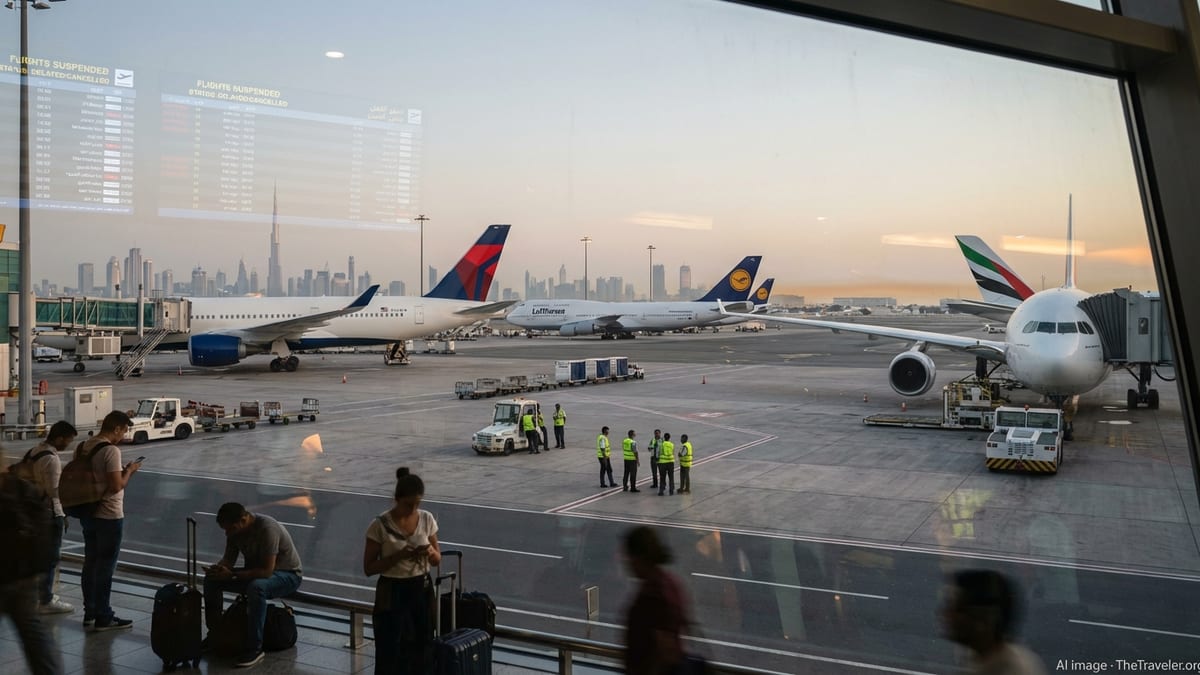
Mounting Disruptions Across Sabah and Sarawak
Publicly available information shows that AirBorneo has been grappling with widespread delays and cancellations across its network in Sabah and Sarawak since 5 June 2026, with the airline warning that disruption is likely to persist in the coming days. The carrier, which took over former MASwings operations at the start of the year, has described the situation as the result of concurrent technical and operational pressures on its turboprop fleet.
Statements published by AirBorneo and carried by regional news outlets indicate that several aircraft have been withdrawn from service for unscheduled technical rectification at the same time that others were already undergoing scheduled maintenance. The overlap has left the airline operating with a reduced fleet, creating a bottleneck that has forced rolling schedule changes on routes that are vital lifelines for rural communities.
Coverage in Malaysian media notes that affected flights include key intercity and rural sectors that connect interior townships to larger hubs such as Kuching and Kota Kinabalu. Travellers have reported missed family events, medical appointments and business commitments as aircraft shortages ripple across the timetable, with some passengers facing last-minute cancellations or lengthy airport waits.
AirBorneo has said in public statements that its teams are working around the clock to re-accommodate travellers on the earliest available flights and has urged customers to check their flight status before heading to the airport. However, the scale and duration of the problems have intensified scrutiny of the airline’s planning and communication strategies during its first months of operation as a state-backed regional carrier.
Activist Presses for CEO-Level Accountability
Against this backdrop, a well-known Sarawak-based activist focused on people’s issues has emerged as a vocal critic of AirBorneo’s handling of the crisis. In recent commentary highlighted by local newspapers, the campaigner has argued that the airline’s chief executive should front a clear, detailed explanation of what went wrong, why disruptions have dragged on and how the carrier intends to prevent a repeat.
The activist’s call builds on earlier public interventions about AirBorneo’s role and responsibilities as a state-owned airline. Prior to the current wave of cancellations, the same campaigner had urged the airline to prioritise affordable fares and reliable connectivity within Borneo, reflecting widespread public expectations that the new carrier would improve rather than complicate regional air access.
Current criticism centres on the perception that explanations so far have been confined to written statements emphasising technical issues, without visible leadership engagement that addresses passenger frustration and the broader social impact. The activist has framed the matter as one of public accountability, noting that many of those affected live in communities where air links are essential for healthcare, education and economic activity rather than discretionary travel.
By calling directly for the CEO to step forward, the campaign underscores a growing sentiment among passengers and civil society groups that operational updates are no longer sufficient. They are seeking reassurance that the airline’s leadership recognises the disruption as more than a temporary inconvenience and is prepared to answer difficult questions about fleet planning, contingency measures and customer support.
Public Anger Adds to Earlier Concerns Over Pricing
The latest turbulence for AirBorneo comes only months after the airline faced public disappointment over ticket prices following the launch of its booking platform. Social media reactions and local commentary at the time suggested that many residents had expected lower fares from the state-backed carrier, only to find prices comparable to or higher than those previously charged by MASwings on some routes.
Those earlier concerns did not significantly affect operations, but they set the tone for heightened scrutiny of the airline’s promises around accessibility and affordability. With flight disruptions now affecting hundreds of travellers at short notice, frustration over cancellations is mixing with lingering resentment about pricing, particularly among those who feel they are paying a premium for an unreliable service.
Online discussions and letters to local publications indicate that some passengers see a pattern emerging in which AirBorneo has not fully delivered on expectations that accompanied the takeover of rural air services. For these critics, the current disruption is not an isolated technical episode but a test of whether the airline’s management can uphold its social mandate in a region heavily dependent on air travel.
Travel industry observers note that new or restructured airlines often face teething problems, especially when integrating fleets and schedules from predecessor operators. However, they also point out that transparency at the leadership level is crucial in maintaining public confidence, particularly when state funds and essential connectivity are involved.
Operational Challenges Expose Fragile Fleet Strategy
Published statements from AirBorneo show that the carrier attributes the ongoing disruption to a combination of unscheduled technical work, planned maintenance already underway and operational and crew duty constraints. Aviation analysts consulted in regional coverage have said that such a convergence can put intense pressure on a relatively small fleet, especially when spare aircraft are limited.
The situation suggests that AirBorneo may have little slack in its current capacity, leaving it vulnerable when multiple aircraft are taken offline simultaneously. While the airline has stressed that it removed planes from service as a precaution to ensure safety, the knock-on effect has been a cascade of rebookings and timetable changes that are being felt across the network.
Reports also highlight the complexity of serving rural air services, where thin routes and shorter runways require specific aircraft types that cannot easily be substituted at short notice. In such environments, even minor technical issues can translate into major service gaps if backup options are scarce. This has prompted questions about whether AirBorneo’s fleet strategy includes sufficient redundancy to cope with unexpected maintenance spikes.
In the longer term, the episode may spur closer scrutiny from regional policymakers and regulators of how the airline structures its maintenance planning, staffing and spare capacity. The current disruption offers a live stress test of its operational resilience less than six months after assuming responsibility for a critical public transport role in Borneo.
Calls Grow for Clearer Communication With Passengers
Beyond the immediate demand for the CEO to speak publicly, travellers and consumer advocates are also focusing on the quality and consistency of information being shared with affected passengers. While AirBorneo has encouraged customers to monitor flight status and has thanked them for their patience, anecdotal accounts circulating in local media and online forums describe confusion at airports and difficulty obtaining timely updates.
Some passengers have complained of learning about cancellations only after arriving at the terminal, while others report long queues at service counters as limited staff attempt to manage rebookings and accommodation. Such experiences have added to the perception that communication has lagged behind the scale of the operational problem, leaving travellers feeling abandoned at critical moments.
Consumer advocates argue that robust notification systems, clear guidance on compensation or rebooking rights and visible senior leadership engagement are now essential to restoring confidence in the carrier. They say a comprehensive briefing by AirBorneo’s chief executive, addressing both the technical root causes and the customer-service shortcomings, would mark an important step toward rebuilding trust.
For now, passengers across Sabah and Sarawak remain braced for further disruption as aircraft gradually return to service. Whether AirBorneo’s leadership opts for a more proactive public role in explaining the crisis may help determine how quickly the airline can repair its reputation in one of Southeast Asia’s most aviation-dependent regions.