


More news on this day
Operations at Ahmedabad’s Sardar Vallabhbhai Patel International Airport were significantly disrupted on Thursday, with 36 flights reported delayed and four services cancelled, affecting hundreds of passengers on busy domestic and Gulf routes.
Get the latest news straight to your inbox!
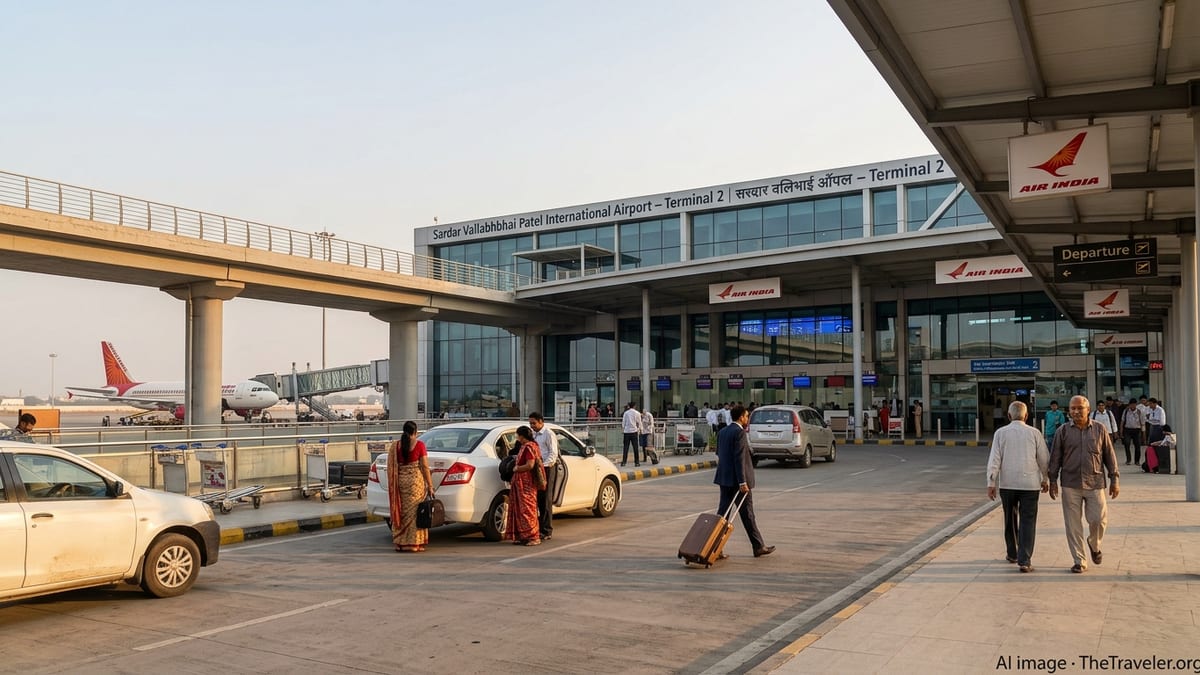
Weather and regional airspace add pressure on Ahmedabad hub
Published coverage indicates that a combination of adverse weather over western India and wider airspace constraints in the region contributed to the disruption at the Ahmedabad hub. Persistent monsoon conditions over Gujarat and neighbouring states have periodically slowed arrivals and departures in recent weeks, forcing airlines to adjust schedules and hold aircraft on the ground for longer than planned.
Information from local media reports shows that the latest spell of heavy rain around Ahmedabad led to reduced visibility and intermittent runway operations, prompting knock-on delays across multiple sectors. Flights linking Ahmedabad with Mumbai, Delhi, Bengaluru and several tier-two cities were among those most affected, as carriers prioritized safe operating windows and spacing between take-offs and landings.
Analysts note that Ahmedabad has also been indirectly affected by congestion and restrictions in other parts of India’s aviation network, especially on routes feeding Gulf destinations. Disruptions on these longer sectors can ripple back into domestic rotations, compounding the impact on airport punctuality during already challenging weather conditions.
Operational data for the day indicates that the 36 delayed flights were spread across morning and evening peaks, when the airport typically handles its highest volume of movements. With limited slack in aircraft and crew schedules, even short weather-related holds quickly translated into late departures and subsequent delays on onward legs.
Four flight cancellations highlight vulnerability on Gulf and coastal routes
While most services eventually departed late, four flights were cancelled outright, underlining the fragility of tightly timed international and coastal schedules. Publicly available information shows that services on the Ahmedabad–Gulf and Ahmedabad–coastal leisure routes have been particularly exposed whenever wider regional conditions deteriorate.
Gulf-bound operations from Ahmedabad are a critical link for migrant workers, business travellers and visiting families, and earlier episodes this year have already seen multiple cancellations on these sectors when airspace over parts of West Asia became constrained. The latest disruption, although smaller in scale, again left some passengers seeking alternative routings via Mumbai, Delhi or other Indian gateways.
On the domestic side, at least one coastal service to a tourist destination was among those cancelled, according to local coverage. Such routes are often operated with tight turnarounds and limited backup options, meaning that sustained delays or a missed operating window can quickly tip a flight from late to cancelled as airlines seek to reset schedules for later rotations.
Travel industry observers indicate that cancellations carry a disproportionate impact compared with delays, as they oblige travellers to rebook, reroute or postpone journeys altogether. In a market where many passengers are connecting onward by road or rail, even four cancelled flights can generate a wider web of missed connections and lost bookings.
Passenger experience strained by rolling delays and shifting schedules
Reports from the ground describe a familiar pattern for passengers caught in the disruption: rolling departure estimates, long waits in terminals and uncertainty over revised timings. With 36 flights delayed, crowds built up around gate areas and check-in counters as travellers sought clarity on new departure times and the status of their connections.
Information displayed on departure boards frequently shifted as airlines updated estimated times of departure in line with changing weather conditions and revised slot allocations. For some travellers, short delays of under an hour expanded into waits of several hours as knock-on congestion accumulated across the day.
Publicly available coverage from recent weather-related disruptions at the airport suggests that communication has become a recurring pain point. While most airlines now push updates through mobile apps and text messages, many passengers still rely on airport displays and on-the-spot inquiries, particularly older travellers and those without consistent access to data services.
Industry analysts argue that as monsoon seasons grow more volatile, clearer contingency communication and better real-time coordination across airlines, ground handlers and airport operations will be necessary to prevent small delays from cascading into more serious congestion and passenger frustration.
Advisories urge flyers to plan for longer journeys to the airport
In response to the latest round of disruptions, publicly posted advisories from the airport operator and airlines have urged passengers to monitor flight status closely and allow extra time for travel to the terminal. Heavy rain not only affects airside operations but can also slow road traffic across Ahmedabad, adding an additional layer of unpredictability for departing travellers.
Recent advisories for similar weather events have recommended that passengers check their flight status directly with carriers before leaving home and factor in potential traffic bottlenecks on key approach roads to Sardar Vallabhbhai Patel International Airport. The guidance reflects a broader shift in India’s fast-growing aviation sector, where high demand and dense schedules mean there is little buffer when conditions deteriorate.
Travel planners note that early-morning and late-evening departures are particularly sensitive, as even modest traffic delays can compress the time available for security screening and boarding once passengers reach the terminal. With security queues sometimes lengthening during weather disruptions, arriving well ahead of scheduled departure is increasingly viewed as a basic risk-management step for passengers.
For inbound travellers, experts advise anticipating extended waits for baggage and onward transport when widespread delays occur, as the bunching of arrivals can temporarily overwhelm car-hire and taxi capacity outside the terminal. These secondary effects can lengthen overall journey times considerably beyond what is reflected in a revised flight schedule.
Growing traffic at Ahmedabad raises questions about resilience
The latest disruption arrives at a time when Ahmedabad is consolidating its role as one of western India’s busiest aviation hubs. Passenger volumes have rebounded strongly from the pandemic period, and airlines have added capacity on both domestic and international routes serving the city’s expanding business base and large diaspora.
Aviation commentators point out that rapid growth can expose infrastructure and scheduling vulnerabilities when conditions turn adverse. Concentrated traffic during peak hours, limited runway slots and tight aircraft utilization patterns reduce the system’s ability to absorb shocks such as intense monsoon storms or upstream airspace congestion.
According to publicly available historical data, previous disruptions at the airport caused by heavy rain, operational incidents and regional tensions have occasionally led to clusters of delays and cancellations similar in scale to the current event. Each episode has renewed debate over how best to build resilience into airport operations without undermining the efficiency gains that have supported growth.
Observers suggest that refinements such as more flexible slot management during the monsoon, better sequencing of arrivals and departures during storm cells, and enhanced sharing of operational data among stakeholders could help limit the number of flights affected in future. For now, the experience of 36 delayed flights and four cancellations at Ahmedabad serves as a reminder of how quickly a busy airport’s schedule can be thrown off course by a combination of bad weather and tight margins.