


More news on this day
An Air Canada flight carrying 162 people from Los Angeles to Montreal veered off a runway after landing at Montréal–Trudeau International Airport on Thursday, leaving passengers stranded onboard the aircraft for roughly three hours but causing no reported injuries, according to published reports.
Get the latest news straight to your inbox!
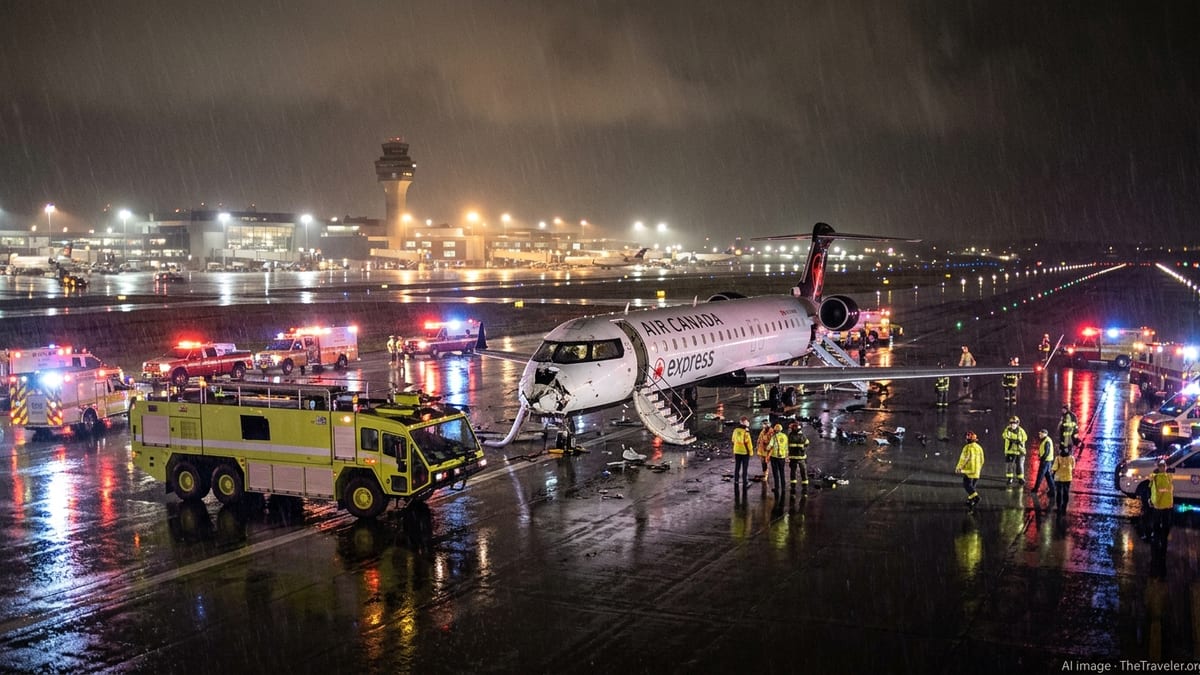
Jet Comes to Rest on Grass After Routine Landing
Publicly available information indicates that Air Canada flight AC774 from Los Angeles landed normally at Montréal–Trudeau on the afternoon of July 9 before experiencing what the airline described in statements reported by Canadian media as a runway excursion. The Boeing 737 Max aircraft reportedly left the paved surface while exiting the runway and came to a stop on an adjacent grass area.
Reports indicate that the aircraft remained upright and structurally intact, with no fire or visible external damage described in early coverage. The incident occurred during daylight hours in generally wet conditions, and the aircraft appears to have come to rest near a taxiway intersection, prompting an immediate response from airport emergency services.
According to news coverage, all 160 passengers and two pilots remained on board as crews assessed the situation and secured the area. The position of the aircraft off the paved surface limited the ability to bring standard jet bridges to the doors, complicating the process of deplaning.
Initial reports from Canadian outlets describe the event as a runway excursion without impact damage, distinguishing it from more severe accidents where aircraft overrun the runway at speed or suffer structural failure.
Passengers Report Hours-Long Wait Onboard
Multiple media accounts and social media posts from travelers suggest that passengers remained on the aircraft for close to three hours after the runway excursion. With the jet stopped on the grass, airport operations reportedly focused first on ensuring the aircraft was stable and that there was no fuel leak or other safety risk before moving people off.
Passengers posting online described a long wait without clear visibility of what was happening outside the windows, while ground vehicles and emergency crews surrounded the plane. Reports indicate that cabin services such as lighting and air conditioning remained available, helping to maintain a relatively stable environment onboard despite the delay.
Based on publicly shared accounts, airport buses and mobile stairs were eventually brought to the aircraft once authorities determined it was safe to begin disembarkation. Passengers were then transported back to the terminal for processing and rebooking as required.
While extended tarmac delays can be frustrating for travelers, aviation specialists often note that keeping passengers seated on a stable aircraft can be safer than an immediate evacuation in situations where there is no fire, smoke, or urgent structural threat.
Runway Closure Disrupts Operations at Montreal Hub
Coverage from Canadian news outlets indicates that one of Montréal–Trudeau’s runways was temporarily closed following the excursion. The disabled aircraft and the presence of emergency vehicles in the area limited movements on that side of the airfield, leading to knock-on delays for arriving and departing flights.
The airport continued operating on its remaining runway, but single-runway use at a major hub typically reduces capacity and increases taxi and holding times. Passengers on unrelated flights reported longer waits for takeoff slots and diversions of some traffic in the immediate aftermath.
Published reports suggest that airport operations teams worked to balance safety checks around the grounded 737 Max with the need to restore normal traffic flow. Once passengers had been deplaned and the aircraft fully assessed, plans were made to tow it to a hangar for further inspection and maintenance.
The incident drew attention in part because it followed a period of heightened travel demand in the peak summer season, when even minor disruptions can quickly ripple across airline schedules.
Air Canada and Investigators Review What Went Wrong
According to publicly available information, Air Canada has initiated an internal review of the incident, a routine step after any runway excursion. The airline indicated through statements cited in local coverage that the aircraft would undergo a detailed inspection before returning to service.
In Canada, significant runway excursions typically come under the purview of the Transportation Safety Board of Canada, which can open a formal investigation or a more limited safety review depending on factors such as damage, injuries, and potential systemic issues. As of the latest reports, no serious injuries or major structural damage had been identified, which may influence the scope of any inquiry.
Aviation analysts note that excursions during landing roll or taxi can stem from a range of factors, including runway surface conditions, steering inputs, braking performance, or localized contamination such as standing water. At this early stage, publicly available information does not point to a confirmed cause, and investigators generally rely on flight data, cockpit voice recordings, crew interviews, and maintenance records to form a complete picture.
Incidents of this type often prompt airlines and airports to review procedures for landing in adverse weather, runway inspections, and guidance to pilots on braking and taxi techniques when surfaces are wet or slippery.
Runway Excursion Highlights Ongoing Safety Focus
Although no one was hurt in the Montreal incident, runway excursions remain among the more common categories of commercial aviation mishaps worldwide. Industry data show that most such events result in minor or no injuries but can still cause aircraft damage, airport closures, and significant schedule disruption.
In recent years, Canadian regulators and airport operators have invested in measures to reduce the risk of excursions, including enhanced runway surface monitoring, improved drainage, and clearer guidance on contaminated-runway performance. Airline training programs also emphasize stabilized approaches, speed management, and conservative decision-making in deteriorating weather.
The Air Canada event at Montréal–Trudeau will likely be studied within that broader safety context. Even in the absence of injuries, investigators and safety managers often look for incremental lessons, such as refinements to communication with passengers during extended tarmac delays or adjustments to how airports stage equipment for off-runway deplaning.
For travelers, the incident served as a reminder that modern commercial aviation incidents can be both disruptive and relatively survivable. While those onboard AC774 experienced a long and uncomfortable delay, current information indicates that the combination of a controlled stop, a methodical safety response, and eventual orderly deplaning helped keep a potentially serious situation from becoming a major accident.