


More news on this day
Air Canada has officially launched commercial operations with its first Airbus A321XLR, bringing the long range narrowbody into scheduled service and marking a key step in the carrier’s fleet renewal and network growth strategy.
Get the latest news straight to your inbox!
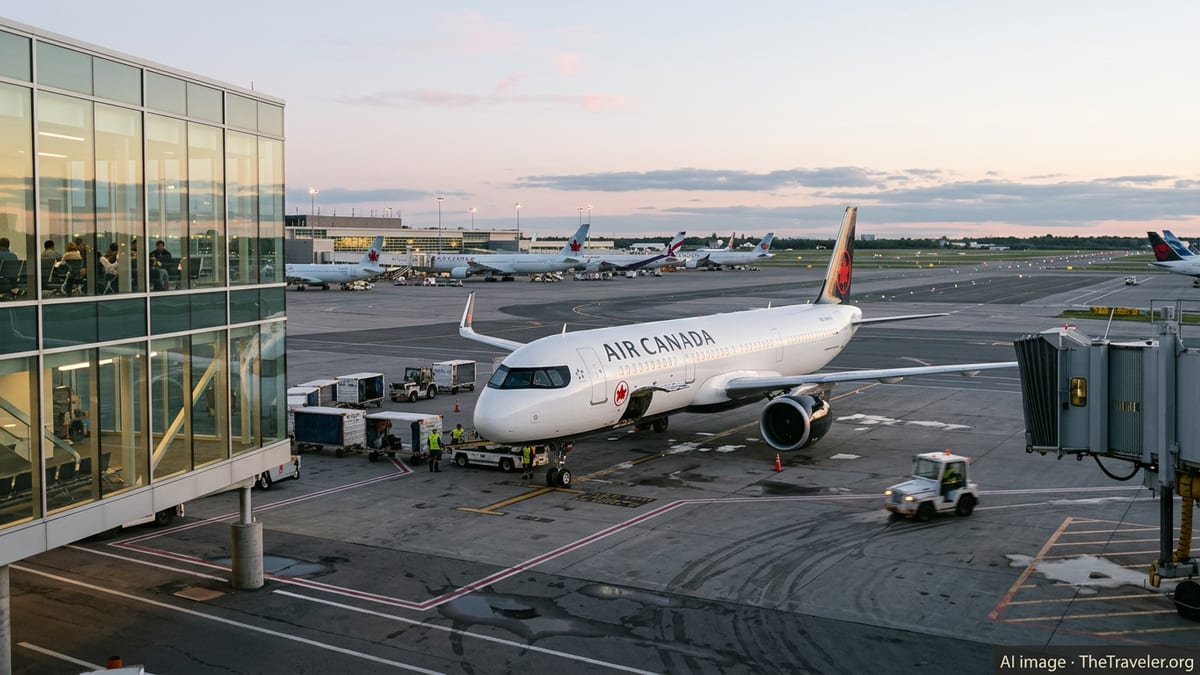
First A321XLR Enters Scheduled Service From Montreal
According to publicly available information from the airline, Air Canada’s first Airbus A321XLR entered regular commercial service on June 9, 2026, operating from Montreal. The launch follows delivery of the aircraft in late April and several weeks of preparation, crew training and regulatory approvals. The entry into service makes Air Canada the first operator of the A321XLR in Canada and one of the earliest users of the type in North America.
Reports indicate the inaugural scheduled flight departed Montreal with the aircraft wearing the carrier’s latest livery and cabin branding, which Air Canada has been positioning as the start of a “new era” for its single aisle fleet. Aviation industry coverage notes that the A321XLR is intended to sit between traditional narrowbodies and widebody jets in the network, capable of operating both dense domestic routes and longer transatlantic sectors.
The aircraft is being introduced progressively into the schedule over the coming months, initially on select North American routes before expanding to longer missions. Industry analyses suggest that the airline is using the first weeks of service to validate performance, refine onboard routines and ensure that the new product elements function smoothly ahead of peak summer travel.
Cabin Features Aim to Raise Single Aisle Comfort
Publicly available information shows that Air Canada’s A321XLRs are configured with 182 seats in a two cabin layout, including 14 lie flat Signature Class seats in a 1 1 arrangement and 168 Economy Class seats. The aircraft is the first single aisle type in the mainline fleet to offer full flat beds, aligning parts of the narrowbody experience with the airline’s widebody international product.
The premium cabin features private suite style seating developed with Collins Aerospace, including direct aisle access at every seat, large side tables and privacy elements designed for overnight and long haul sectors. Reports indicate that the design language is consistent with Air Canada’s latest widebody cabins, with darker tones, wood style finishes and branded lighting schemes.
In Economy Class, the A321XLR introduces new slimline seats with integrated personal video screens, Bluetooth audio connectivity and power at every seat. The aircraft also features Airbus’s Airspace interior, including larger overhead bins and a modern LED lighting system intended to reduce the impact of jet lag by simulating different phases of the day during flight.
Industry observers note that the cabin upgrade is central to Air Canada’s strategy to compete on comfort across the Atlantic and on transcontinental routes where passengers increasingly compare single aisle products with widebody options. The A321XLR’s interior is being presented as a significant step up from earlier generation A320 family aircraft in the fleet.
New Routes and Network Flexibility Across the Atlantic
According to published network plans, Air Canada is acquiring 30 A321XLRs to support both growth and fleet replacement. The extra long range of the type, advertised at up to about 4,700 nautical miles, enables non stop services from Canadian hubs such as Montreal and Toronto to secondary European destinations that might not support larger widebody aircraft.
Previous announcements from the airline highlighted Palma de Mallorca as one of the first new transatlantic destinations to be launched with the A321XLR, operated from Montreal during the summer season. The aircraft is also expected to appear on routes such as Montreal to Toulouse and Edinburgh, as well as additional European and North American city pairs where demand is strong but not sufficient to justify a widebody.
Aviation analysts point out that the A321XLR gives Air Canada more flexibility to adjust capacity by season and day of week, particularly on routes that see strong summer tourism but softer winter demand. By using a long range narrowbody instead of a larger twin aisle aircraft, the airline can maintain non stop connectivity while better matching supply to passenger volumes.
The type is also expected to take on select transcontinental services within North America, including flights linking Eastern Canada with Western Canadian cities and major hubs on the US West Coast. In these markets, the upgraded cabin and extended range are intended to strengthen Air Canada’s competitive position on longer domestic and cross border routes.
Environmental and Operational Advantages for the Fleet
Technical information released by Airbus and highlighted in recent coverage indicates that the A321XLR delivers up to 30 percent lower fuel burn per seat compared with previous generation aircraft in similar missions. The model uses modified fuel tanks and aerodynamic improvements to achieve long range performance while maintaining single aisle economics.
For Air Canada, integrating the A321XLR into the fleet is part of a broader effort to reduce emissions intensity and modernize its narrowbody operation. The airline has described the aircraft as an important contributor to its environmental and financial targets, with improved fuel efficiency supporting both cost savings and sustainability objectives over the life of the fleet.
The aircraft is certified to operate with higher blends of sustainable aviation fuel compared with older models, and the combination of lower fuel burn and potential for SAF use positions it as one of the more efficient aircraft types in the carrier’s inventory. Industry reports suggest that Air Canada plans to highlight these attributes in its marketing to environmentally conscious travelers, particularly on long haul routes where fuel savings are most significant.
Operationally, the A321XLR’s commonality with other A320 family aircraft already in Air Canada’s fleet is expected to simplify pilot training and maintenance, even as the airline introduces a substantially upgraded cabin product. The balance of familiar systems with new range capabilities is seen as a factor in how quickly the type can be absorbed into day to day operations.
What Travelers Can Expect in the Coming Months
With the first aircraft now in service, Air Canada is gradually adding additional A321XLRs through 2026 and beyond, according to order and delivery details shared publicly by the airline and Airbus. As more frames arrive, customers are likely to see the type appear on a wider mix of routes from Montreal, Toronto and potentially other Canadian gateways.
Travel trade publications report that the carrier is initially focusing the new aircraft on higher profile departures, including select overnight and daylight transatlantic flights and key long haul domestic services. Over time, the A321XLR is expected to replace older narrowbodies on some routes while opening entirely new city pairs that were previously considered marginal for widebody deployment.
For passengers, the most visible changes will be the updated cabin, including lie flat seating in the forward cabin, a refreshed economy product, new inflight entertainment options and a generally more modern onboard environment. As more aircraft enter the fleet, frequent travelers may begin to seek out A321XLR operated flights when booking, particularly on longer journeys where comfort and amenities make a notable difference.
The launch of A321XLR service represents a significant milestone in Air Canada’s post pandemic recovery and growth plan, aligning fleet modernization with shifting travel patterns and the airline’s focus on connecting Canadian hubs to a broader range of destinations across the Atlantic and within North America.