


More news on this day
An Air India flight from Delhi to Patna experienced a bird strike while landing at Jay Prakash Narayan International Airport in Patna on Monday morning, with all 164 passengers and crew reported safe and no disruption to other flight operations, according to early local media coverage.
Get the latest news straight to your inbox!
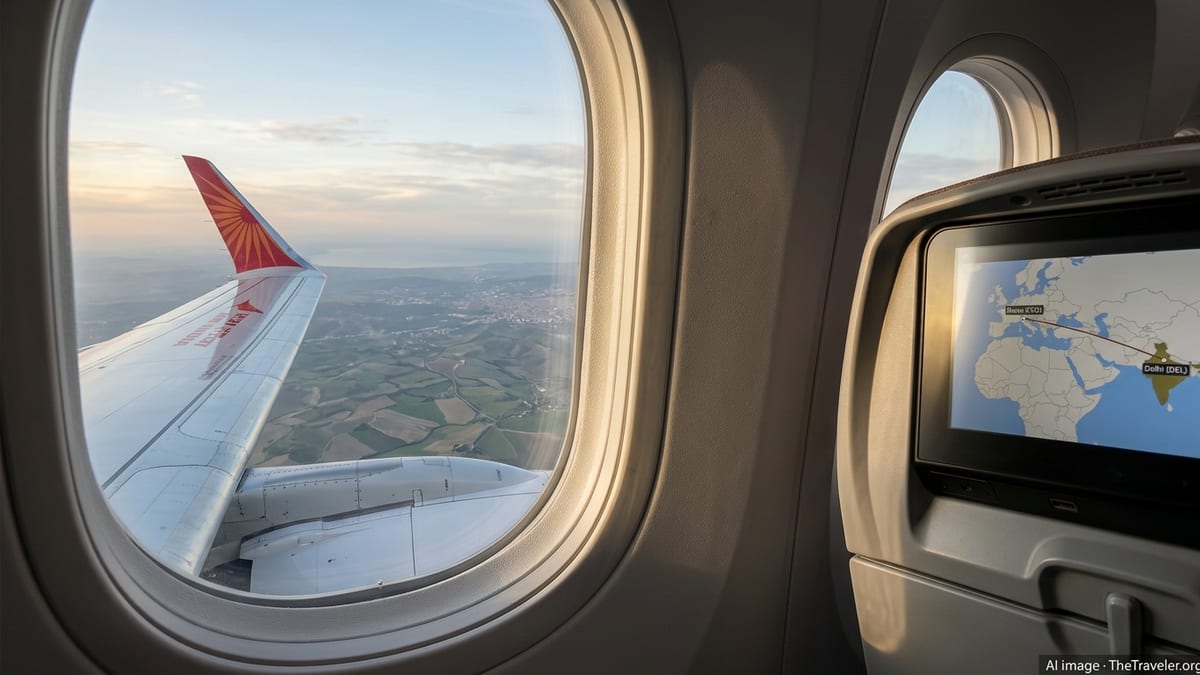
Incident during morning arrival at Patna
Published reports indicate that the Air India service operating from Delhi to Patna, identified as flight AI 1741, encountered a suspected bird hit as it was on final approach to Patna on the morning of August 24, 2026. Coverage describes the incident as occurring at around 7:44 am local time, moments before touchdown.
The aircraft was able to complete its landing at Jay Prakash Narayan International Airport without further incident. Local and national news outlets state that all 164 passengers on board, along with crew members, were unharmed. There were no immediate reports of injuries or onboard emergencies following the landing.
Following the incident, airport staff initiated standard safety checks on the runway environment. Publicly available information notes that a detailed runway inspection was carried out to assess any potential debris or contamination related to the reported strike. No wider operational impact on the morning’s schedule at Patna was reported in initial accounts.
Media coverage from Patna and national aviation reports emphasize that the episode did not lead to flight cancellations or diversions at the airport, and operations continued after safety checks were completed.
Aircraft checks and operational response
After the aircraft reached the parking bay and passengers disembarked, the aircraft was subject to engineering inspection under standard post-incident protocols. Reports suggest that the suspected bird impact occurred during the landing phase, a critical part of flight where crews are trained to respond to sudden events while maintaining control of the aircraft.
While specific technical details about any damage were not immediately highlighted in early coverage, bird strikes can affect components such as the nose, windshield, wings, or engine inlets. Airlines and airports in India follow procedures requiring visual and, where needed, more detailed inspections before an aircraft is cleared for subsequent service.
Information available from recent schedules shows that Air India and its low-cost subsidiary Air India Express operate multiple daily frequencies between Delhi and Patna, reflecting the high demand on this trunk route. In such dense networks, operators typically have contingency plans, including aircraft swaps or minor rescheduling, to minimize disruption if further maintenance checks are required.
In this case, reports from Patna-based outlets and national business media indicate that there was no significant disruption to airport movements, suggesting that any follow-up inspection of the aircraft did not cascade into broader schedule issues at the field.
Seasonal rise in bird activity around airports
Aviation and airport safety documentation highlights that bird strikes are more common in certain seasons, particularly during monsoon months in northern and eastern India. Increased standing water, waste accumulation, and shifting bird migration or roosting patterns can bring flocks closer to runway environments, especially near urban airports like Patna.
Environmental management measures at Indian airports typically include regular grass cutting, water drainage, habitat modification, and coordination with local civic authorities to discourage open garbage dumps that attract birds. Many airports also conduct routine wildlife hazard assessments to identify hotspots where birds or animals are more frequently observed near flight paths.
Recent publicly available material on Patna airport’s safety practices notes that committees routinely carry out inspections focused on avian and animal activity within and around the aerodrome perimeter, producing reports that inform cleaning, vegetation control, and other mitigation work. These steps are aligned with broader guidelines issued for civil airports across the country.
Despite these efforts, global aviation experience shows that completely eliminating bird strikes is not feasible, particularly during early morning and evening periods when bird movement is often highest. The emphasis therefore remains on monitoring, pilot training, and rapid post-incident response to keep risk to passengers and aircraft within acceptable limits.
Bird strikes and Indian commercial aviation
India’s rapidly growing aviation sector has seen an increase in the number of aircraft movements over the past decade, which also raises aggregate exposure to wildlife encounters. Regulatory data and media analyses over the years have documented hundreds of bird strike reports annually across the country’s airports, though only a small proportion lead to significant damage or flight safety concerns.
Airlines operating out of major hubs such as Delhi and regional airports like Patna routinely incorporate bird strike scenarios in simulator and recurrent training. Flight crews are briefed on procedures for engine checks, return-to-land decisions, and communications with air traffic control in the event of a suspected impact during take-off or landing.
High-profile cases in India and abroad have contributed to heightened awareness of bird hazards among operators, regulators, and airport planners. Engineering advances in modern commercial jets, including more resilient windshields and fan blade containment systems, are designed to reduce the consequences of smaller wildlife impacts, although severe strikes can still result in engine shutdowns or structural inspections.
With traffic on metro-to-tier-two routes such as Delhi–Patna expected to keep growing, the importance of sustained wildlife management, coordinated urban planning around airports, and continued investment in safety systems remains a focal point of India’s aviation safety conversation.
What the incident means for travellers on the Delhi–Patna route
The Delhi–Patna corridor is one of the busiest domestic sectors in eastern India, with multiple airlines offering several non-stop services each day and typical flight times of about one hour and forty-five minutes. Schedule information from airline booking platforms shows that both full-service and low-cost carriers serve the route with early morning, midday, and evening departures to cater to business, government, and VFR (visiting friends and relatives) traffic.
For travellers, the latest bird strike report underscores that such events, while potentially unsettling, are an anticipated risk in aviation operations and are managed within a robust safety framework. Aircraft are certified to withstand certain levels of wildlife impact, and crews are trained to prioritize safe landing or return-to-origin decisions when a strike is suspected.
Industry data and safety reviews consistently note that commercial aviation remains one of the safest modes of transport, even when occasional incidents such as bird strikes occur. The safe landing at Patna following the Delhi-origin flight’s suspected bird hit reinforces the role of established procedures in protecting passengers.
Passengers planning trips between Delhi and Patna in the coming days are not expected to see major changes as a result of this single incident, although temporary aircraft rotation adjustments are possible whenever additional inspections are scheduled. Travellers are typically advised to monitor their flight status through airline apps or websites, particularly during the monsoon period when weather and wildlife-related factors can interact to affect operations.
Business Standard coverage of the incident