


More news on this day
Nigeria’s largest carrier, Air Peace, has issued public apologies after a succession of flight disruptions across its network, while reiterating its commitment to more reliable operations and improved communication with passengers.
Get the latest news straight to your inbox!
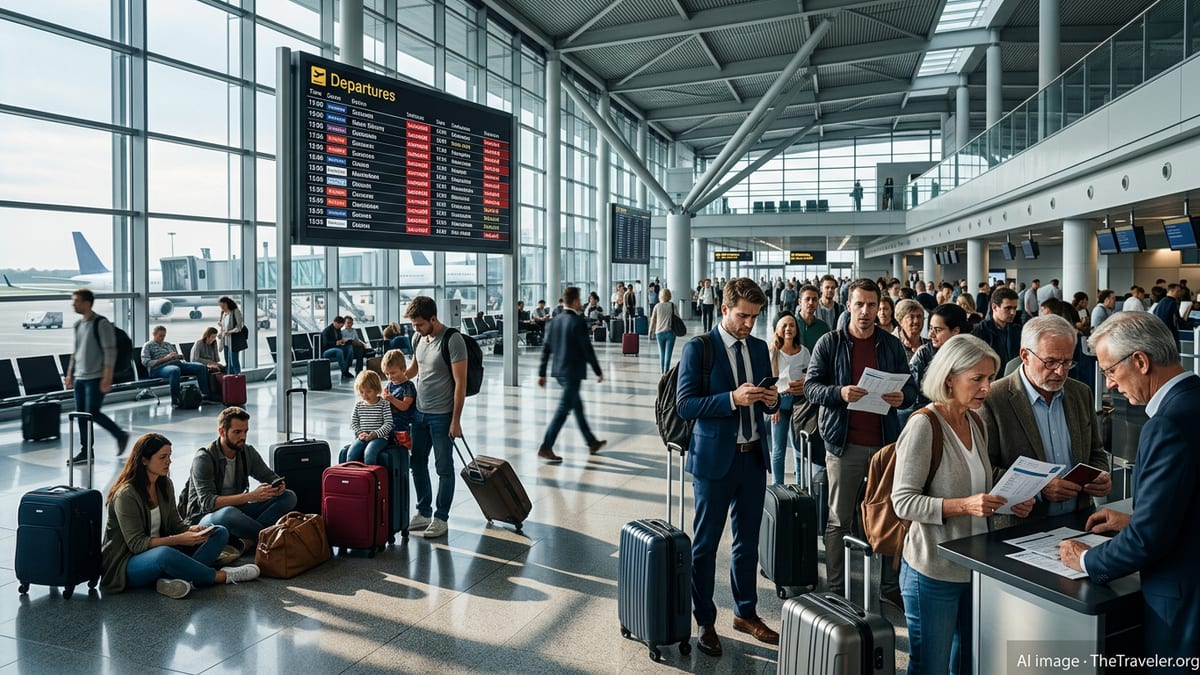
Operational Hiccups Trigger Wave of Passenger Complaints
Recent weeks have seen multiple disruptions involving Air Peace services on key domestic routes, drawing criticism from passengers and renewed scrutiny of the airline’s on-time performance. Reports indicate that delays and cancellations affected operations at major hubs, including Lagos and Abuja, as well as regional destinations such as Asaba.
On August 27 a Lagos Asaba service diverted back to Lagos due to poor visibility at Asaba Airport, resulting in missed connections and knock on delays to other flights in the airline’s network. Publicly available information shows that the carrier acknowledged the disruption and informed customers that the weather related diversion would impact subsequent rotations.
Separate coverage has highlighted extended delays on some routes and same day cancellations that left travellers stranded late at night. Investigative reporting and social media posts from affected passengers describe long waits at departure halls, uncertainty over revised departure times and dissatisfaction with the handling of customer care and accommodation during irregular operations.
The concentration of incidents has intensified debate about service reliability in Nigeria’s domestic aviation market, where infrastructure constraints, weather, industrial actions and technical issues can all quickly cascade into network wide schedule challenges.
Air Peace Issues Apologies and Explains Causes
According to Nigerian media reports, Air Peace has responded with a series of public apologies, attributing recent disruptions to a mix of operational and external factors. In Abuja, the carrier cited failure of key baggage screening equipment at the domestic terminal as a cause of schedule disturbance and apologised to affected travellers while promising efforts to restore normal operations quickly.
In another instance, the airline explained that a power surge impacting an information technology server used for crew scheduling and flight planning slowed operations across parts of its network. Coverage of the incident indicates that the carrier apologised for the inconvenience and encouraged passengers to monitor official channels for updated departure information.
Weather has also played a role. After the Lagos Asaba diversion, publicly available statements from the airline framed safety as the overriding concern, explaining that poor visibility around the runway made it unsafe to complete the approach. The airline noted that the decision would ripple through later flights but maintained that operational safety remained its primary priority.
These explanations come as online travel forums and consumer focused outlets document rising frustration with irregular operations, underscoring the importance for carriers to combine safety driven decisions with strong customer communication and contingency planning.
Commitment to Reliability and Network Stability
Despite recent turbulence, Air Peace has consistently positioned itself as committed to reliable and affordable service in Nigeria and on select international routes. Previous corporate communications and route launch announcements have emphasised investments in fleet growth, regional connectivity and schedule robustness as tools for improving dependability.
Industry data and schedule filings suggest that the airline has been adjusting frequencies on certain routes, including long haul services such as Abuja London, to align capacity with demand and operational resources. Analysts note that fine tuning schedules can help carriers protect punctuality and reduce knock on delays, particularly in markets where airport infrastructure is under strain.
In statements summarised in local business media, Air Peace has framed recent operational issues as temporary setbacks that do not alter its long term focus on dependable service delivery. References to contingency planning, technical support and closer coordination with airport authorities appear frequently in this messaging, reflecting an acknowledgement that reliability depends on multiple actors within the aviation ecosystem.
Observers point out that maintaining public trust will require the airline not only to stabilise its timetable but also to demonstrate that lessons from recent disruptions are feeding into revised processes and investment priorities.
Passengers Call for Better Communication and Care
The disruptions have reignited discussion about passenger experience during irregular operations in Nigeria’s aviation sector. Reports from consumer advocacy platforms describe cases in which travellers waited several hours with limited information about departure times, as well as situations where late night cancellations left passengers uncertain about accommodation and rebooking options.
Publicly available commentary on travel review sites and social media indicates that customers are demanding clearer, more proactive updates when flights are delayed or diverted, along with more consistent application of care policies such as meal vouchers, hotel arrangements and refund options. These expectations mirror global trends, where transparency and timely information are increasingly seen as core components of airline service quality.
Industry analysts note that Nigerian carriers operate in a challenging environment, contending with infrastructure constraints, fluctuating fuel costs and regulatory requirements. However, they also stress that communication strategies during disruptions can often be improved without major capital expenditure, for example through better use of messaging channels, clearer airport signage and additional training for front line staff.
For Air Peace, which carries a significant share of domestic traffic, passenger perceptions of how disruption is managed may be as important as the frequency of disruptions themselves in shaping brand loyalty.
What Travellers Can Expect in the Coming Months
Looking ahead, travellers using Air Peace are watching for signs that the promised commitment to reliable service will translate into tangible improvements across the network. Schedule adjustments, equipment upgrades at partner airports and enhancements to internal IT systems are among the developments analysts will monitor as indicators of progress.
Published online booking data shows that the airline continues to market a wide range of domestic and regional flights, suggesting confidence in underlying demand despite the recent operational issues. Travel professionals advise passengers to build in extra buffer time when connecting to critical events and to make use of digital tools, such as airline apps and email alerts, to stay informed of any last minute changes.
Consumer advocates also encourage travellers to familiarise themselves with applicable passenger rights frameworks and airline specific policies on delays, cancellations and refunds. While regulatory regimes differ from those in Europe or North America, publicly available guidance from Nigerian authorities outlines basic standards for safety, complaint handling and customer care that carriers are expected to observe.
As Air Peace works to restore on time performance and rebuild goodwill with its customer base, the coming months are likely to test the effectiveness of its operational reforms and its ability to communicate clearly when disruptions arise.
Vanguard: Air Peace apologises as disruptions hit Lagos, Abuja flights
The Guardian Nigeria: Why operations slowed on Monday
Inquirer Nigeria: Flight returns to Lagos over poor visibility