


More news on this day
New U.S. government guidance is drawing fresh attention to security risks along part of the Arizona–Mexico frontier, with a recent alert urging Americans to exercise increased caution in and around the border city of Nogales, Sonora.
Get the latest news straight to your inbox!
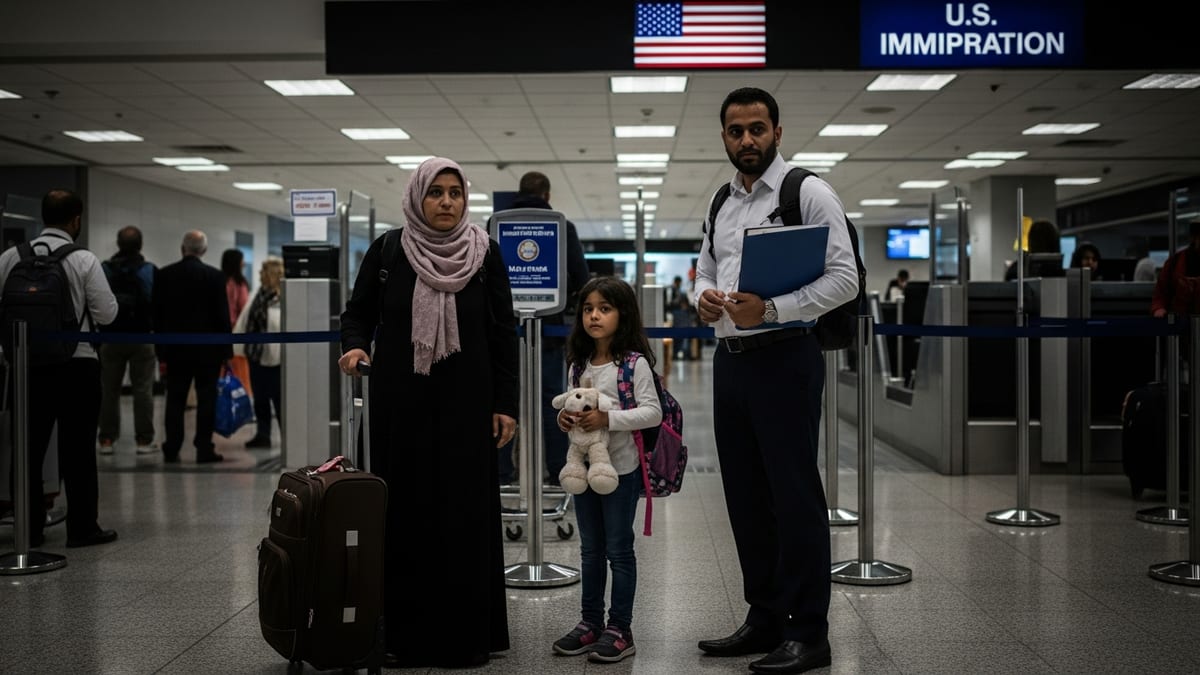
Daylight-Only Movement for U.S. Personnel in Nogales
According to a security alert issued by the U.S. Mission in Mexico on September 5, 2026, official activities in Nogales, Sonora, are now restricted to essential movement during daylight hours. The alert cites threat information and advises U.S. citizens in the area to remain vigilant and consider similar limitations on nonessential movement.
Publicly available information from the mission’s alert archives indicates that U.S. government personnel in Nogales have been instructed to minimize activity after dark and maintain heightened situational awareness around key transit routes and urban areas. Travelers are urged to monitor local developments, have contingency plans, and ensure that friends or family know their whereabouts when crossing or staying overnight.
The restrictions apply specifically to Nogales and do not signal a broader change in the overall Mexico country advisory level. However, the move reinforces long-standing guidance that conditions can shift rapidly in specific border communities, even when national-level assessments remain steady.
For American visitors, the daylight-only posture for official travel serves as a practical benchmark. Many security specialists encourage private travelers to mirror these parameters by planning cross-border drives, shopping trips, and onward journeys so they conclude before nightfall, particularly on highways and in unfamiliar neighborhoods on the Mexican side of the line.
Sonora’s Level 3 Rating and Localized Risk
The State Department’s Mexico advisory, updated in May 2026, classifies the state of Sonora as a Level 3 “Reconsider Travel” destination due to crime and kidnapping risks. Within that framework, Nogales is singled out in recent alerts as an area requiring active caution, reflecting concerns about organized crime, violence along smuggling routes, and sporadic confrontations near the border.
Public guidance for Sonora underscores that security conditions vary notably across the state. Long-standing routes popular with leisure travelers, such as corridors to coastal destinations and historic towns, are treated differently from certain border hubs and interior roadways where criminal groups are more active. This patchwork reality has led U.S. officials to combine state-level advisories with more granular alerts whenever new threat information surfaces.
Travelers driving through Sonora toward interior cities or beach resorts are encouraged to stick to major toll roads during the day, avoid isolated fuel stops, and stay informed about evolving restrictions on lesser-used highways. Recent commentary circulating from U.S. congressional offices referencing the security alert emphasizes daylight travel, clear communication of itineraries, and readiness to adjust plans if advisories tighten further.
While millions of people legally cross the U.S.–Mexico border each month without incident, security analysts note that trends in smuggling activity, disputes between criminal groups, and targeted attacks can periodically raise the risk profile of specific crossings like Nogales, demanding closer attention from visitors.
Mexico’s Overall Advisory: Level 2 With High-Variation Hotspots
Despite the focused concern around Nogales and other select border areas, Mexico as a whole remains at Level 2, “Exercise Increased Caution,” in the State Department’s global advisory system. The current nationwide guidance, updated on May 29, 2026, cites threats linked to crime, kidnapping, and terrorism, while recognizing that risk levels differ sharply by state and by city.
Under this framework, some regions, such as Campeche and Yucatán, are categorized at Level 1, where normal precautions are considered sufficient, while others, including Sonora and parts of the northern border, fall under higher-level advisories. This uneven landscape means an American traveler could move from relatively low-risk resort areas to more volatile corridors within a single itinerary.
Public travel advice emphasizes that even in states without elevated warnings, crime can still occur and visitors should remain attentive, particularly at night and in non-tourist districts. In northern Mexico, closer to busy crossings and commercial arteries, the presence of trafficking networks and contested territory heightens the potential for unpredictable incidents in and around cities like Nogales.
International partners track these developments as well. Guidance from other governments, including the United Kingdom’s foreign travel advice, echoes the notion that some Mexican border cities require stricter caution than the countrywide rating might suggest, with separate warnings for hubs such as Tijuana and select crossing points.
Practical Guidance for Travelers Crossing at Nogales
For Americans planning to drive or walk across the border at Nogales, current public information highlights several core precautions. Travelers are encouraged to schedule crossings in the morning or early afternoon, avoid unnecessary detours into unfamiliar districts, and keep vehicle doors locked and valuables out of sight while navigating congested streets close to the port of entry.
Registrations in the State Department’s Smart Traveler Enrollment Program (STEP) can help visitors receive timely security updates and allow consular staff to reach them more easily during emergencies. The Mexico country page and Sonora-specific advisory entries remain the primary reference points for any further changes in posture concerning Nogales or nearby communities.
Short-stay visitors making day trips for shopping, medical appointments, or family visits are urged to pay attention to public transportation options, parking arrangements, and the location of official crossings before setting out. Travel planning resources recommend securing accommodation in well-reviewed properties in central, populated areas if an overnight stay in Nogales becomes necessary.
Should threat information evolve, additional alerts may tighten or relax constraints on government travel in Nogales and elsewhere along the border. Until then, the latest guidance signals that while cross-border movement remains open, Americans should treat the Nogales area as a place where extra planning, daylight travel, and on-the-ground awareness are especially important.
U.S. Mission to Mexico – Security Alert: Nogales
U.S. Department of State – Mexico Travel Advisory