


More news on this day
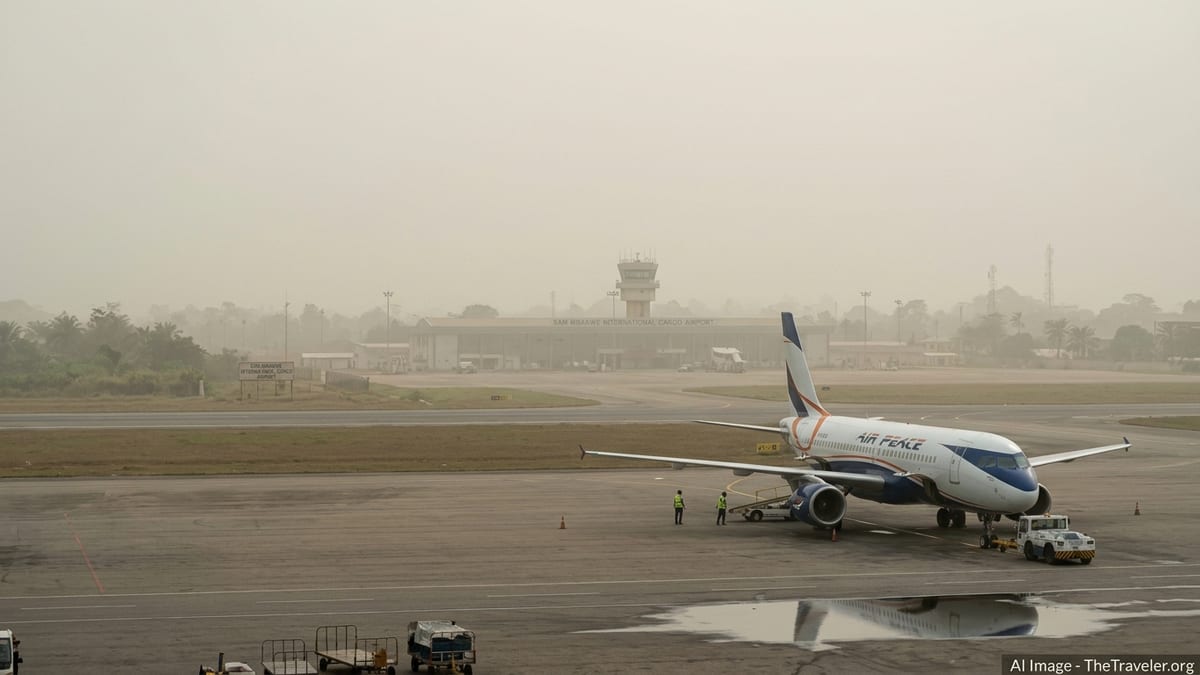
Flights into and out of Owerri in southeast Nigeria are facing delays after Nigerian carrier Air Peace warned that poor visibility at Sam Mbakwe Airport is disrupting same-day operations, prompting schedule changes and calls for passengers to monitor updates before travelling to the airport.
Get the latest news straight to your inbox!
What Air Peace has confirmed about the Owerri disruptions
The latest disruption affects Air Peace services operating into and out of Sam Mbakwe International Cargo Airport, which serves Owerri, the capital of Imo State. In a same-day operations update, the airline said that weather at the destination has reduced visibility below levels required for normal flight movements, forcing delays across its Owerri schedule.
In the notice, signed by spokesperson Osifo-Whiskey Efe and circulated to Nigerian media, the airline said that the disruption was tied specifically to "poor inclement weather affecting visibility" at Owerri. Air Peace stressed that the conditions were beyond its control and that flight safety thresholds on visibility must be met before crews are allowed to depart for, or land at, the airport.
Air Peace reiterated that safety of passengers and crew remains its highest priority and apologised to travellers whose plans have been affected. The airline said it is working to manage rotations and restore normal timings once visibility improves enough for safe operations at Sam Mbakwe Airport.
How weather and visibility affect flights to Sam Mbakwe Airport
Sam Mbakwe Airport is operated by the Federal Airports Authority of Nigeria and handles domestic services to major cities such as Lagos and Abuja. Like other airports in southern Nigeria, it can be affected by seasonal weather patterns that reduce visibility, including heavy rainfall and episodes of dust haze carried from the interior of the country during the dry season.
Nigerian meteorological reporting has highlighted that episodes of poor visibility, especially during the Harmattan-influenced months, can significantly disrupt air, road and marine transport by forcing operators either to delay departures or temporarily suspend operations until conditions improve. When cloud base or horizontal visibility falls below the minimum required for a given runway and aircraft type, airlines are obliged by regulation to hold flights on the ground or divert to other airports rather than attempt approaches in marginal conditions.
For passengers on the affected Owerri routes, this typically translates into rolling delays as flights are pushed back to later slots when forecasts suggest better conditions, or in some cases consolidated onto fewer services once the airport reopens to normal movements. Because many Nigerian airports, including Owerri, operate with limited instrument landing and airfield lighting capabilities compared with the country’s biggest hubs, they can be more susceptible to disruption when weather deteriorates quickly.
Recent operational pressures on Air Peace and Owerri services
The latest visibility-related delays to Owerri flights arrive in a period when Air Peace’s domestic operations have already been under close scrutiny from regulators and passengers over punctuality. In recent years the Nigerian Civil Aviation Authority has publicly pressed the airline to reduce recurrent delays and cancellations, and Air Peace has responded that it adjusts schedules primarily on safety grounds, including unscheduled maintenance and operational constraints.
Owerri features frequently in reports of weather and wildlife-related disruptions affecting the carrier. Air Peace and Nigerian media have previously documented cases in which Lagos–Owerri or Abuja–Owerri flights were forced to return or be cancelled following bird strikes, with aircraft temporarily grounded for checks and repairs before returning to service. Separate incidents have also seen Owerri-bound flights turn back because the airport’s operating hours, which are limited for some evening movements, did not allow for safe arrival after long delays earlier in the day.
In addition to bird strikes and airport operating-hour limits, broader factors such as aircraft maintenance requirements, high demand on busy domestic corridors and occasional shortages of aviation fuel within Nigeria have all contributed to irregular schedules on some Air Peace routes. However, in its latest statement about Owerri, the airline linked the current round of delays specifically to poor visibility at the destination rather than mechanical or fuel-related issues.
What affected passengers are being told and practical steps to take
Air Peace has asked customers travelling into or out of Owerri on the affected day to remain patient while operations are adjusted. The carrier has directed passengers seeking assistance or the latest information to its customer service channels, including its call centre email address and published Nigerian telephone contact numbers. These channels are being used to provide revised departure times, rebooking options and guidance on what to expect at the airport while delays continue.
Travellers who have not yet left for the airport are being advised to check for updated departure and arrival information as close as possible to their planned flight time, using the airline’s official communication channels or airport information screens. Because the disruption is weather driven and confined to operations into and out of Owerri, passengers on Air Peace flights serving other Nigerian destinations may not be affected in the same way, although aircraft rotations can occasionally cause knock-on delays elsewhere in the network.
Under Nigerian aviation rules, airlines are required to prioritise safety when deciding whether to depart or land in marginal conditions, even when this results in missed connections or late-night arrivals for passengers. While weather-related delays are typically treated as events outside the airline’s control, which can limit obligations for compensation, carriers are still expected to communicate clearly, provide reasonable care such as refreshments or accommodation when practical, and offer rebooking onto later flights where seats are available. Passengers whose travel plans are time-sensitive may wish to discuss alternatives with Air Peace, such as moving to a different day or routing via another city once normal visibility returns at Owerri.
Outlook: how long the disruption could last and what to monitor next
Air Peace has not published a firm end time for the current round of Owerri delays, reflecting the fact that they depend on short-term improvements in local weather and visibility around Sam Mbakwe Airport. Nigerian meteorological forecasts often show rapid changes in conditions during the transition between dry and wet seasons, with periods of low visibility sometimes lasting only a few hours but, in more severe episodes, persisting for much of the day.
Given that the airline has framed this as a same-day operations update, the primary expectation is that affected flights will either be operated later in the day once conditions permit, or in some cases consolidated onto subsequent services if airport and crew duty limits allow. Passengers with bookings over the following days should continue to monitor airline messages and check-in guidance, but there is currently no indication from Air Peace or airport authorities of a prolonged shutdown at Owerri.
Travellers planning near-term trips to or from Owerri may wish to build additional buffer time into itineraries that combine domestic and international sectors, particularly during seasons when low visibility is more common. As conditions improve and Air Peace restores its normal schedule at Sam Mbakwe Airport, the airline is expected to issue follow-up updates confirming the resumption of regular operations and any remaining rebooking options for passengers who were unable to travel during the period of disruption.