


More news on this day
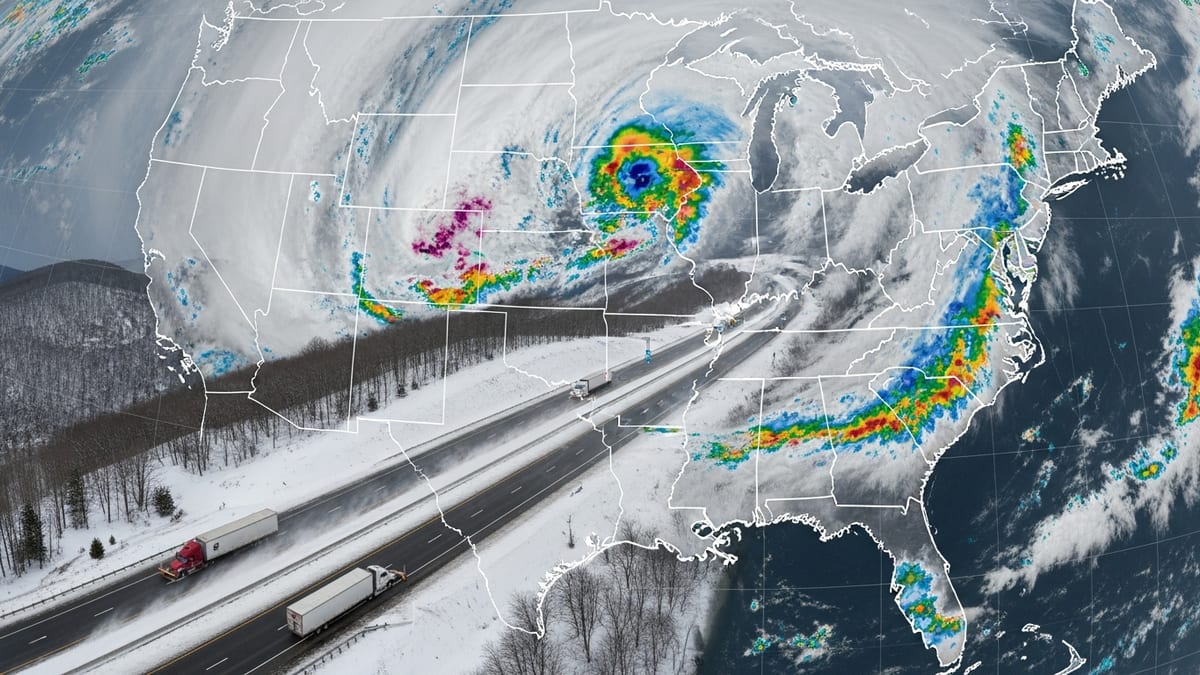
A powerful summer storm sweeping across the U.S. Northeast grounded 726 flights today and delayed hundreds more, exposing fresh cracks in airline mobile apps and digital tools that many passengers rely on in disruption-prone peak travel season.
Get the latest news straight to your inbox!
Severe Weather Triggers Another Day of Major Disruption
The latest round of cancellations hit major hubs from Boston and New York to Philadelphia as thunderstorms and low clouds triggered traffic flow restrictions and ground stops at key airports. Publicly available tracking data showed hundreds of flights scrubbed across the region, with some airports seeing extended cascades of delays as routes backed up along the busy Northeast corridor.
Reports indicate that regional and point-to-point carriers with heavy exposure to the Northeast bore a disproportionate share of the cancellations, as tightly meshed schedules left little room to absorb rolling weather holds. Airlines shifted aircraft and crews where possible, but many flights were ultimately removed from the schedule once delay projections stretched deep into the evening.
The disruption comes in the middle of an already strained summer for U.S. aviation, with recent weeks marked by repeated bouts of severe weather, localized infrastructure issues and scattered technology outages affecting individual carriers. Today’s storm added yet another layer of operational stress at a time when demand for air travel remains high.
Aviation data from recent storm episodes this year shows that relatively short-lived systems can still trigger extensive knock-on effects, especially when they hit dense airspace such as the Northeast during peak travel windows. Those dynamics appeared to be on display again as crews timed out, aircraft missed rotations and evening departures were canceled to reset schedules for tomorrow.
Digital Tools Falter Under Stress
As the storm intensified, many travelers turned to airline apps and websites for answers, only to find inconsistent information or limited functionality. Social media posts and traveler forums on Monday described boarding passes disappearing, rebooked itineraries failing to ticket correctly and mobile apps that lagged significantly behind airport departure boards.
In some cases, passengers reported that mobile apps still showed flights as on time even after airport displays and independent trackers marked those same services as heavily delayed or canceled. Others described error messages when attempting to self-rebook or use travel-credit vouchers, forcing them into long customer service queues at the airport and on the phone.
These complaints come on the heels of several recent airline-specific technology incidents, including brief ground stops tied to device and operations software issues. Industry analysis published this year notes that many carriers continue to rely on complex, aging back-end systems that can struggle under extreme demand or when new tools are layered on top without fully integrated upgrades.
Travel technology guides currently advise passengers to cross-check airline apps with third-party flight trackers and airport status pages during major disruptions, reflecting a growing recognition that no single digital tool consistently provides a complete picture when operations are under stress.
Travelers Face Long Lines and Limited Options
Inside terminals from Portland, Maine, to the New York area, passengers reported scenes of crowded gate areas, rolling gate changes and rebookings pushed multiple days into the future for some routes. Accounts shared publicly described travelers boarding aircraft, waiting as storms forced extended ground delays, and then being asked to deplane once crew duty limits were reached.
With many later departures already fully booked as part of the busy summer schedule, same-day alternatives were scarce on some Northeast routes. In online posts, travelers described being offered itineraries with overnight connections or arrivals well after midnight, as well as vouchers for future travel instead of hotel accommodations in situations where weather was cited as the cause of disruption.
Some passengers turned to competing airlines, trains or rental cars to complete trips when it became clear that same-day air options were unlikely. Travel advisers note that during wide-area weather events, moving early to secure a seat on the first available alternative can be critical, as inventory on unaffected routes often disappears quickly once cancellations mount.
Consumer advocates continue to encourage travelers to familiarize themselves with airline contracts of carriage and government dashboards detailing what each carrier voluntarily offers during cancellations and long delays. In weather-related events, airlines are generally not required to provide compensation, but many maintain their own policies around meals, hotels and rebooking during severe disruptions.
Why Airline Apps Struggle When Weather Hits
Analysts say the recurring mismatch between app promises and real-world disruption reflects the complexity of airline operations during storms. Flight status, crew assignments, aircraft rotations and air traffic control restrictions all update rapidly and sometimes conflict with each other on short time scales, complicating the task of giving passengers a clear view.
Many airline apps still act as front-ends for multiple legacy systems, which can update at different intervals or fail to synchronize under heavy load. When operations teams make late-breaking decisions to cancel or reroute flights, those changes may appear first in internal tools, then at airport departure boards and only later in consumer apps, leading to confusion at the gate.
Research into disruption management and extreme weather impacts on aviation has highlighted how even small timing mismatches can cascade into passenger delays and missed connections. When digital tools are slow to reflect those changes, travelers lose valuable minutes to secure alternate itineraries, particularly on heavily booked routes where spare capacity is limited.
Some carriers have begun investing in artificial intelligence and predictive analytics to better anticipate disruption patterns and push proactive rebooking options to customers. However, today’s storm-related issues suggest that many of those capabilities are still uneven across the industry, especially during fast-evolving summer thunderstorms.
What Today’s Storm Means for Upcoming Travel
Operational data from past weather events shows that the worst passenger experience is often not limited to the single day with the highest cancellation count. Residual disruptions can spill into the following morning as airlines work to reposition aircraft and crews, meaning early flights on Tuesday could still be affected even if weather conditions improve overnight.
Travel planners currently recommend that passengers scheduled to fly to or from the Northeast in the next 24 to 48 hours monitor their reservations closely and consider building in extra connection time. Early-morning departures typically offer better odds of operating as planned, as they originate from overnight aircraft and crews already positioned at the airport, though they are not immune to lingering air traffic constraints.
For airlines, today’s 726 grounded flights are another reminder of how quickly storm systems can erase a day of capacity in one of the country’s most important air corridors. As carriers continue to roll out new digital tools and app features, the test will be whether those platforms can provide clearer, faster and more reliable information the next time the weather turns against them.
With peak summer travel still in full swing and climate-driven extremes increasingly cited in long-range forecasts, the performance of airline technology during operational crises is likely to remain a central concern for travelers and the industry alike.