


More news on this day
Travelers passing through Vienna International Airport on July 3 faced significant disruption as publicly available flight-tracking data showed more than one hundred delays and a small number of cancellations affecting routes across Europe, including key connections to Paris and Amsterdam.
Get the latest news straight to your inbox!
Wide Ripple Effect Across European Routes
Data compiled from real time flight status boards and tracking platforms on Friday indicated that Vienna International Airport was dealing with at least 107 delayed departures and arrivals, along with two outright cancellations. The disruption affected a cross section of short haul European services rather than a single isolated route.
Routes connecting Vienna with major hubs such as Paris and Amsterdam, as well as popular leisure destinations in southern Europe, appeared among those impacted. Travelers on early afternoon and evening departures reported departure times pushed back from a few minutes to several hours, with knock on effects for onward connections at other airports.
The pattern of disruption followed weeks of generally strong summer traffic at Vienna, a key gateway for central and eastern Europe. Industry statistics published in recent months highlighted both high passenger volumes and a rise in average departure delay minutes at several major European hubs, including Vienna, as airlines and airports work through the peak season.
While the precise mix of causes on Friday varied flight by flight, operational strain across the network, including air traffic control constraints elsewhere in Europe, often contributes to clusters of delays that compound as the day progresses.
Flag Carrier and Low Cost Operators All Affected
The delays at Vienna were not limited to a single airline. Austrian Airlines, which uses the airport as its main hub, saw delays on domestic and regional services, including connections within Austria and neighboring countries. Flight status listings showed adjusted departure times and extended estimated arrival windows on several Austrian-operated flights.
Ryanair services from Vienna to a range of leisure destinations also experienced disruptions, according to schedule and status aggregators. Flights to Mediterranean and holiday island destinations, which are typically heavily booked at this time of year, showed revised timings and, in some cases, extended boarding and turnaround periods.
KLM and other network carriers operating between Vienna and Amsterdam, as well as onward European and intercontinental connections, were similarly exposed to the congestion. Because these flights feed into global transfer banks at major hubs, relatively modest delays at departure can translate into missed or rushed connections for passengers continuing on to North America, Africa or Asia.
The spread of delays across both full service and low cost operators suggested a broader operational challenge at the airport and within the wider European air traffic system, rather than an issue confined to a single carrier.
Knock On Impacts for Passengers
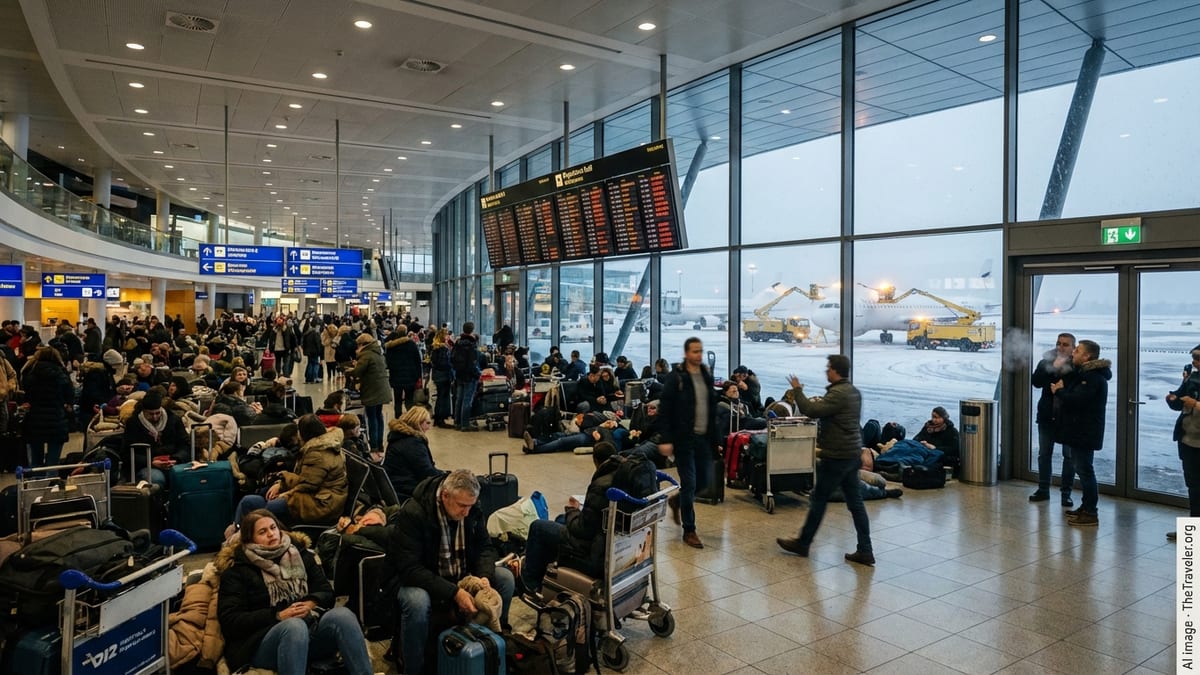
For travelers, the disruption meant longer queues at check in, security and boarding gates, along with crowded departure lounges as aircraft arrived late and turnarounds lengthened. Social media posts and traveler forums on Friday described busy terminal scenes and uncertainty around revised boarding times for multiple flights.
Passengers with onward connections in Paris, Amsterdam and other hubs faced particular difficulties. Even short initial delays from Vienna can make it challenging to transfer within the permitted minimum connecting times, especially when arrival gates or terminals change at the last minute.
Under European air passenger regulations, travelers whose flights suffer lengthy delays or cancellations may be entitled to assistance such as meals, refreshments and, where necessary, hotel accommodation. Eligibility for financial compensation depends on the cause and length of the delay and whether the disruption is considered within the airline’s control. Consumer advocates often encourage passengers to keep detailed records of boarding passes, delay notifications and receipts in order to support potential claims.
On peak summer travel days, however, many passengers focus first on simply securing alternative routings or rebooked seats, particularly when flights are already heavily booked. This can lead to long lines at airline service desks and call center backlogs as multiple services are affected at once.
Operational Context at Vienna in a Busy Summer
The latest wave of disruption comes during what airport and airline reports describe as one of the busiest summer travel seasons since before the pandemic. Vienna has seen sustained growth in both hub traffic and point to point leisure travel, with carriers including Austrian Airlines and major low cost groups vying for market share on European routes.
Recent briefings from European air traffic management bodies have pointed to a rise in average delay minutes per flight across the continent, citing factors such as constrained airspace, weather events and staffing limitations in some control centers. On certain days, these pressures manifest as clusters of delays at multiple hubs, especially during morning and evening peaks.
At Vienna, publicly available operational summaries and financial reports for recent seasons have highlighted both the airport’s role as a transfer hub and its growing low cost segment. That combination means that disturbances on a relatively small number of flights can propagate quickly through the schedule as aircraft and crews circulate through dense rotations, leaving little slack to recover when issues arise.
Industry analysts note that while airports and airlines have invested in digital tools to keep passengers informed, the pace of changes during disruption can still outstrip official updates, leading many travelers to rely heavily on real time tracker apps and independent flight status platforms to understand their options.
What Travelers Can Do on Disruption Days
For those planning to travel through Vienna or other busy European hubs in the coming days, the situation on Friday serves as a reminder to build in extra time and contingency. Travel experts recommend checking flight status regularly on both airline channels and independent trackers, particularly from 24 hours before departure and again before leaving for the airport.
Passengers connecting in Paris, Amsterdam and other hubs may wish to consider longer connection windows where possible, especially during peak afternoon and evening periods when delays are most likely to accumulate. Booking all legs of a journey on a single ticket can also provide stronger protection and clearer rerouting options if one flight in the chain is disrupted.
Keeping essential items such as medications, chargers and basic toiletries in hand luggage can help mitigate the impact of extended waits in terminals or unplanned overnight stays. Travelers are also encouraged to familiarize themselves with their rights under European passenger protection rules so they can request assistance and reimbursement where applicable if delays or cancellations significantly affect their plans.
With high holiday demand set to continue through July and August, operational data suggests that days of heavy disruption like the one seen at Vienna are likely to recur periodically. Preparedness, flexible planning and close monitoring of flight information remain key tools for travelers seeking to navigate an increasingly busy European air travel network.