


More news on this day
Alaska Airlines is positioning 2027 as a pivotal year for its European ambitions, using new long haul aircraft, transatlantic routes and lounge investments to pivot from regional specialist to emerging global carrier.
Get the latest news straight to your inbox!
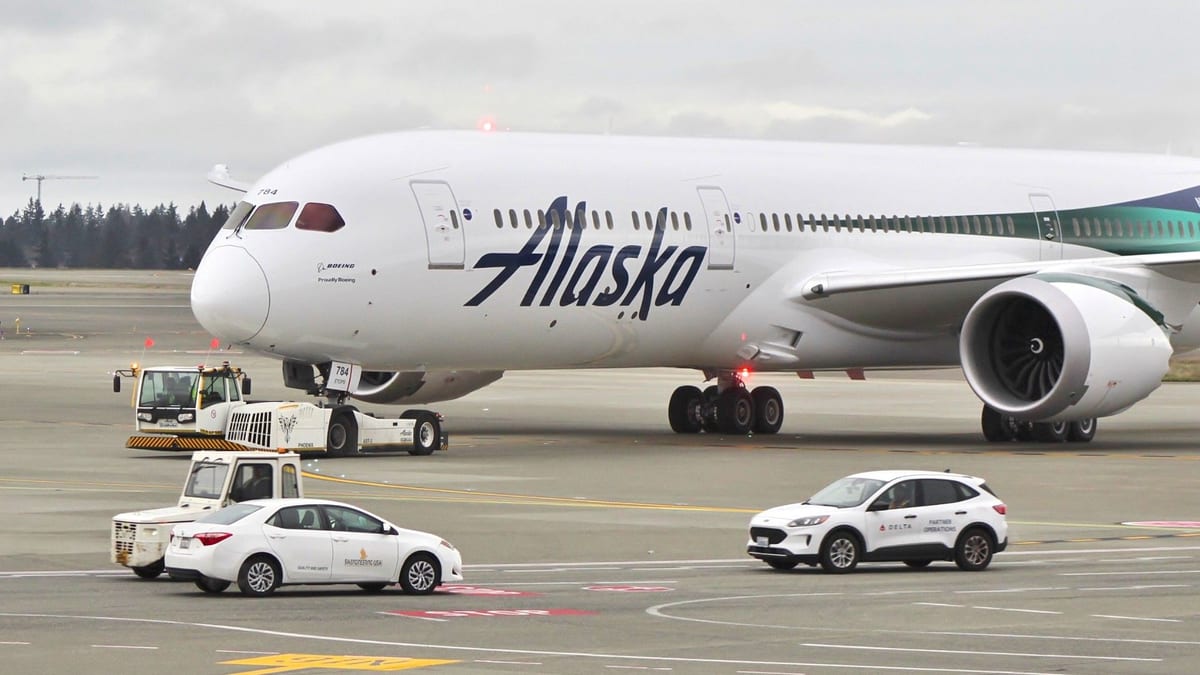
New long haul routes extend Alaska’s reach into Europe
Alaska Airlines has only recently begun operating its own long haul flights to Europe, with initial nonstop services from Seattle to cities such as Rome, London and Reykjavík giving the carrier its first independent foothold across the Atlantic. According to published coverage, these launches are framed as part of a broader global growth strategy designed to tap strong West Coast demand for direct links to major European capitals.
Publicly available announcements indicate that the next phase of this strategy is already scheduled to roll out through the middle of the decade, including newly disclosed nonstop flights from Seattle to Athens and Paris. Service to Paris is slated to begin in May 2027 and will reportedly become one of the longest routes in the airline’s history, signaling confidence in sustained transatlantic demand.
These additions move Alaska beyond a narrow focus on leisure-oriented Mediterranean destinations into a more diversified European network that mixes business, cultural and connecting traffic. By 2027, the airline is expected to serve a cluster of key European gateways directly from its Seattle hub, with onward connections available through alliance partners.
Fleet upgrades support a more competitive transatlantic product
To sustain an expanded European footprint, Alaska is pairing network growth with a significant overhaul of its long haul product. Publicly available information shows that the airline is introducing Boeing 787-9 aircraft equipped with new international business class suites, upgraded premium cabins and enhanced in flight connectivity on routes to Europe and Asia.
Industry analysis notes that Alaska previously relied heavily on alliance partners to carry its customers on long haul sectors, making cabin investment less of a strategic priority. As the airline transitions into operating its own transatlantic flights, competitive lie flat seating, upgraded entertainment and consistent Wi Fi are being positioned as essential features to attract higher yielding travelers.
Regulatory filings and fleet plans indicate that widebody deliveries and retrofits will continue through 2027, aligning with the ramp up of new Europe services. By that time, Alaska expects to have a more standardized long haul fleet capable of operating its longest routes while offering a product that better matches European and alliance competitors.
Seattle hub and lounge expansion underpin European strategy
Seattle remains the focal point for Alaska’s European ambitions, with the carrier concentrating long haul operations and connectivity at its largest West Coast hub. Network announcements describe Seattle as the springboard for both transatlantic and transpacific flying, consolidating long haul demand from across the Pacific Northwest and the broader western United States.
To support that role, the airline is investing heavily in ground infrastructure. According to company statements and independent reporting, Alaska is developing a large new global lounge facility at Seattle that is expected to open in late 2027. The lounge is projected to be among the largest in the country, designed to accommodate a growing stream of international passengers, including those connecting to and from Europe.
This hub and lounge strategy aims to create a more seamless premium experience for travelers using Seattle as their gateway to European destinations. Enhanced airport facilities, combined with focused banked schedules, are intended to improve connection times and strengthen the city’s position against rival coastal hubs vying for the same transatlantic traffic.
Oneworld alliance connectivity deepens footprint across the continent
Alaska’s membership in the oneworld alliance remains central to its plan to enlarge its presence in Europe by 2027. Publicly available alliance information shows that Alaska is linked to a network of major European carriers, including British Airways, Iberia and Finnair, enabling a wide range of one stop itineraries beyond the cities it serves directly.
By operating its own flights into alliance hubs such as London, and potentially other major European gateways, Alaska can channel passengers onto partner networks reaching dozens of secondary cities across the continent. This allows the carrier to market a much broader European offering than its own fleet and schedule could support independently.
Frequent flyer reciprocity and coordinated schedules are expected to become more important as Alaska scales up its long haul operations. Public materials from the alliance highlight shared benefits such as mileage earning, lounge access and priority services, which can help the airline appeal to premium travelers who value consistency across multiple legs of complex European itineraries.
Financial targets and competitive pressures shape the 2027 outlook
Alaska Air Group’s recent financial reports set ambitious earnings targets for the latter half of the decade, with incremental profit growth partly tied to the success of its global expansion. Europe is emerging as one of the key testing grounds for this strategy, given the high revenue potential of long haul transatlantic routes but also their exposure to fuel prices, macroeconomic volatility and competitive responses.
Analyst commentary suggests that Alaska will face stiff competition from established transatlantic players based on the West Coast, as well as from European network carriers and low cost long haul operators. The airline’s ability to secure attractive schedules, manage unit costs and maintain high load factors will likely determine how far it can expand beyond its initial set of European destinations after 2027.
Even with these headwinds, the combination of new long haul aircraft, a larger Seattle hub presence, alliance connectivity and targeted premium investments positions Alaska to play a more visible role in the North Atlantic market. By 2027, the carrier is expected to have advanced from a primarily domestic and regional operator to a competitor with a credible, if still focused, European footprint anchored by its West Coast gateway.