


More news on this day
Severe thunderstorms and flooding across Catalonia over the weekend have led regional institutions to issue a travel warning, as disruption continues at Barcelona El Prat and other key transport hubs on Monday 5 October.
Get the latest news straight to your inbox!
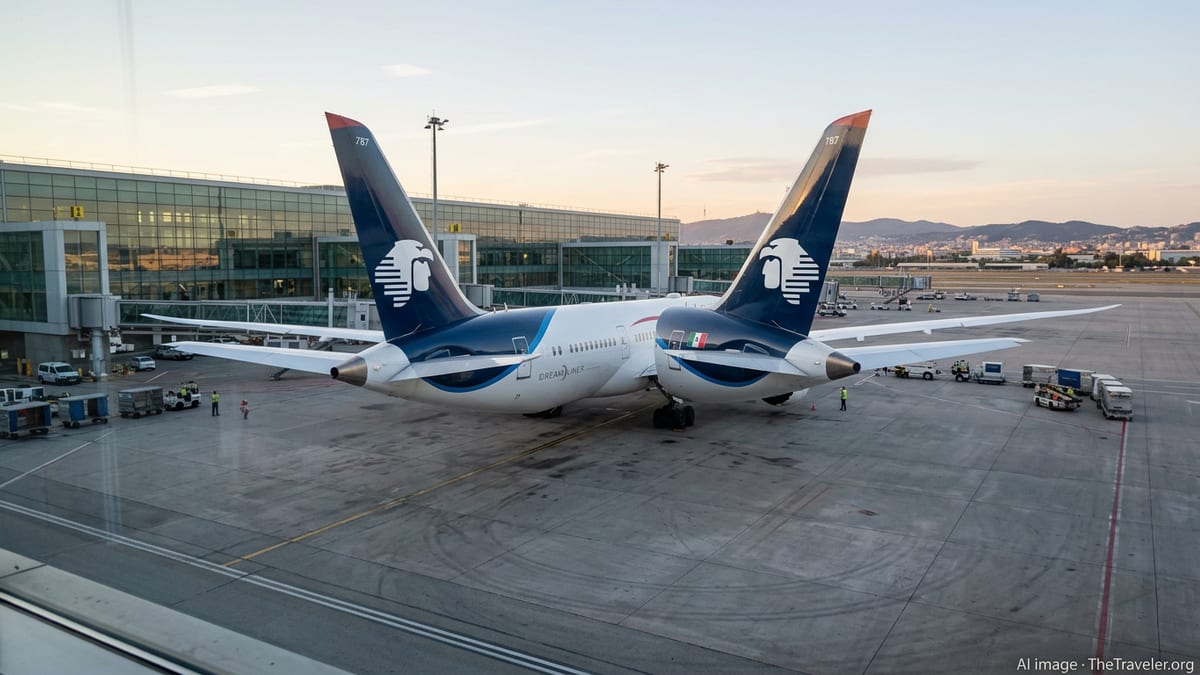
Flight cancellations at Barcelona and Girona
Publicly available flight data and industry reports indicate that Barcelona El Prat Airport recorded hundreds of cancellations and long delays over the weekend of 3 and 4 October after thunderstorms swept across Catalonia. Travelextra reported 385 cancellations at Barcelona alone across the two days, reflecting the scale of disruption as heavy rain and lightning passed over the region.
Coverage from specialist travel outlets on 5 October described ongoing disruption at Barcelona, with the airport’s live information pages still showing delayed departures and arrivals on Monday morning. Some flights over the weekend were delayed by more than four hours, according to data compiled by flight‑tracking services.
Girona Costa Brava Airport has also experienced weather related problems. Regional and industry reports point to delays and cancellations there over the same period, particularly during peak storm activity late on Saturday and into Sunday, affecting both inbound leisure services and outbound flights to other European hubs.
Airlines serving Catalonia, including low cost and network carriers, have introduced flexible options for some affected passengers. Iberia, for example, has published a commercial flexibility policy for tickets issued up to 1 October on routes to and from Barcelona, Valencia and Castellón, allowing one involuntary change and rebooking up to 10 October on specific affected dates, subject to seat availability in the same cabin.
Regional travel warning and civil protection measures
The Catalan government’s civil protection service activated and maintained the INUNCAT flood emergency plan over the weekend in response to what it characterised as a torrential rainfall episode. Alerts published on the official emergencies portal on 3 and 4 October referenced exceptional rain, a high risk of flooding and restrictions on non essential movements in several coastal and pre coastal counties.
On Monday 5 October, travel trade coverage highlighted a further alert issued by the regional administration warning of continuing thunderstorms and intense showers through early afternoon. The advice emphasised avoiding unnecessary travel, keeping away from rivers, streams and ravines, and checking the status of services before setting out.
Earlier updates from civil protection services detailed temporary limits on mobility in a number of counties most affected by the downpours, particularly in parts of Tarragona and Barcelona provinces. According to information compiled by Diari de Catalunya from municipal and regional sources, non essential travel was restricted and outdoor cultural, sporting and recreational activities were suspended in several municipalities on Saturday as rain intensified.
The Generalitat’s emergencies page reported that emergency services had handled thousands of calls linked to flooding and storm damage, with fire and rescue teams carrying out more than two thousand operations by the evening of 4 October. The same update recorded fatalities and several people taken to hospital, underlining the severity of the weather beyond its impact on travel plans.
Ongoing weather risks and official forecasts
Meteorological advisories show that while the most intense phase of the storms has passed, unsettled conditions remain in parts of Catalonia. The State Meteorological Agency’s marine forecast for the Catalonia coast, valid through the evening of Monday 5 October, still points to showers and thunderstorms off Girona and Barcelona, with choppy seas and residual swell.
Separate analysis from the Meteorological Service of Catalonia and independent outlets such as Ràdio Palamós has highlighted that rainfall totals in some eastern and coastal counties over the weekend could exceed 40 millimetres in just 30 minutes at the peak of activity. Hazard maps circulated on 3 October showed maximum risk levels for intense rain on Sunday 4 October across much of eastern Catalonia, including the Girona and Barcelona areas.
By 5 October, civil protection updates indicated a gradual improvement in conditions, with the probability of further torrential rainfall described as low, although isolated showers and storms were still expected overnight and into Tuesday. The INUNCAT plan remained in its emergency phase while authorities continued recovery work and monitoring of river basins, even as flow warnings on major rivers were progressively lifted.
Travellers planning imminent journeys to or through Catalonia should therefore be prepared for lingering weather related disruption, especially on services using Barcelona and Girona and on coastal routes where thunderstorms are still possible. Forecasts show a trend toward more stable conditions after Monday evening, but any renewed heavy showers could cause localised issues on short notice.
Impact on rail, road and urban transport
The severe weather has affected more than just air travel. The Generalitat’s emergencies portal notes that rail services, regional roads and urban public transport have all faced disruptions linked to flooding, fallen branches and localized power problems. Rodalies commuter and regional lines around Barcelona experienced partial suspensions and speed restrictions during the worst of the rain, with services now gradually being restored.
Urban mobility in Barcelona has also been affected. Public information channels for the city’s metro and bus network reported temporary diversions and slower frequencies on some routes at the height of the storms, particularly where surface flooding impacted access to stations or key junctions. Service updates on Monday pointed to progressive normalization, but with a recommendation that passengers check live information before travelling.
On the roads, the Catalan traffic service has warned of residual disruptions on certain secondary routes and low lying sections of the network where water and debris needed to be cleared. Earlier civil protection alerts asked residents and visitors to avoid underground car parks and underpasses during periods of intense rainfall and to stay away from riverbanks and flood prone areas.
These combined impacts mean that journeys across the region may still take longer than usual, especially where multimodal connections are involved. Travellers heading to or from the airports by train, bus or private transfer should factor in additional time and verify that their chosen route is operating normally.
What travellers should do now
Travellers currently in Catalonia or due to arrive in the coming days are advised, based on publicly available guidance, to check the status of all legs of their journey before departure. This includes confirming the latest information from airlines, airport operators, rail providers and local transport companies, as schedules may have changed at short notice.
Passengers whose flights have been cancelled or significantly delayed should consult the conditions of carriage and any flexibility policies published by their airline. Some carriers are offering options to rebook within a limited window or accept credit vouchers, particularly for flights originally scheduled between 29 September and 5 October that were directly affected by the storms.
Those planning road travel across Catalonia are encouraged to review current traffic advisories and avoid routes that cross flood prone areas, especially if further showers are forecast. Regional civil protection advice stresses the importance of not attempting to drive through flooded sections of road and of parking vehicles in elevated locations away from riverbeds where possible.
For visitors staying in coastal resorts or rural areas, it is sensible to remain attentive to local announcements about weather and access to natural spaces. While services are steadily returning to normal, the recent storms have demonstrated how quickly conditions can change, and how localized flooding or transport failures can affect even well prepared itineraries.