


More news on this day
A recent cruise incident in which a traveler was stranded after a passport mix-up has drawn attention not for anger or outrage, but for the unusually positive way the cruise line handled the problem, according to multiple online accounts and travel industry reports.
Get the latest news straight to your inbox!
A Documentation Error With High Stakes
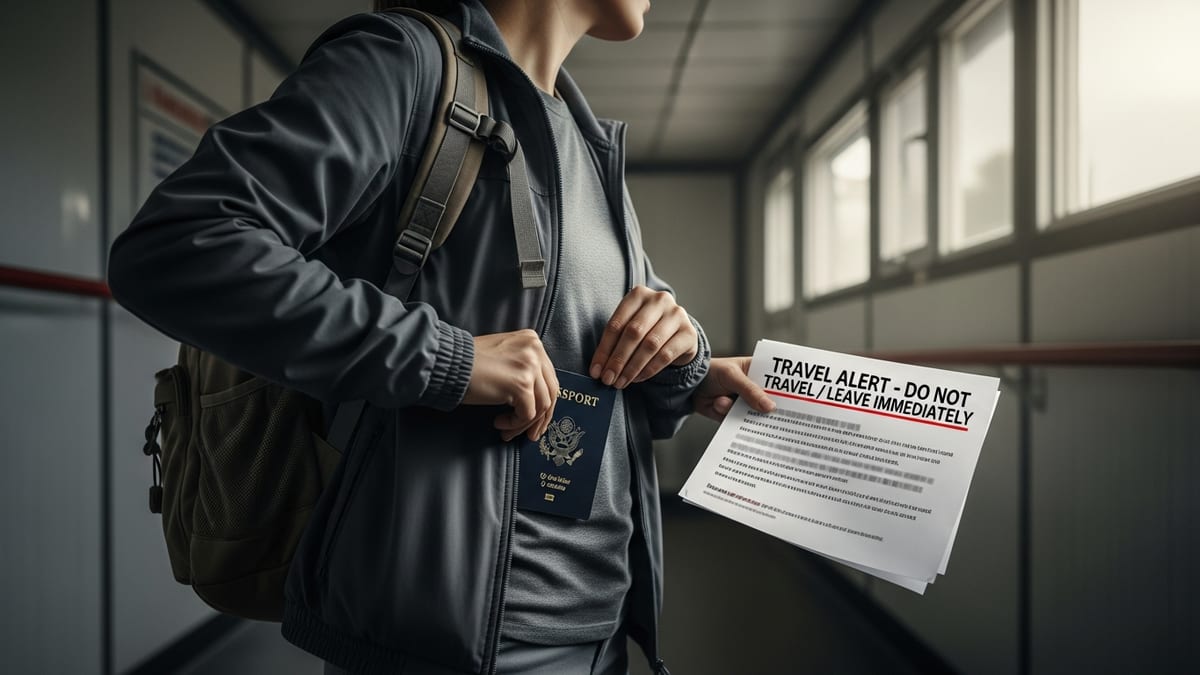
Publicly available accounts describe a scenario that will feel familiar to many frequent cruisers. A guest arrived for an international sailing believing that their travel documents were in order, only to discover at the port that a passport problem would prevent them from boarding or continuing the trip. In this case, the issue involved a mix-up over passport details that surfaced only when the traveler was already en route and separated from parts of their documentation.
Reports indicate the traveler was left temporarily stranded in a foreign port while the situation was untangled with local authorities and the cruise company. Similar cases typically end with the passenger absorbing the financial and logistical burden of getting home or catching up with the ship, as consumer advocates and travel forums frequently note. Cruise contracts generally place responsibility for correct passports and visas squarely on the guest, which can leave travelers with little recourse when mistakes come to light at the last minute.
What distinguishes this case from many others being discussed across social media and travel boards is the guest’s reaction afterward. Rather than posting complaints, the passenger publicly praised the cruise line for how it stepped in once staff understood that a documentation mix-up, rather than intentional noncompliance, had caused the problem. Their comments add a rare positive note to an area of travel that is more often associated with distressing stories of denied boarding and ruined holidays.
The episode is emerging at a time when passport and immigration checks around cruise travel are under growing scrutiny. Recent coverage of stranded cruise guests in Alaska and in Caribbean ports has highlighted the complex intersection between cruise itineraries, national border rules, and individual documentation, making this more cooperative outcome stand out.
Cruise Line Steps In With Unusual Support
According to descriptions shared in online travel communities, once the passport mix-up became clear the cruise line’s shoreside and onboard teams coordinated to help the stranded guest secure temporary accommodation and begin the process of obtaining replacement documentation and onward travel. While the exact financial arrangements have not been disclosed, accounts suggest the company assisted with rebooking and provided guidance that went beyond what is typically spelled out in standard ticket contracts.
Those same discussions contrast the response with a string of high profile cases in recent years where guests have been left largely on their own. Coverage from major US outlets has documented families forced to spend thousands of dollars arranging flights and hotels after being denied embarkation because of expired passports, mismatched names, or confusion over rules like the six month validity requirement for some destinations. In those incidents, cruise operators often reiterated that documentation is the passenger’s responsibility.
Here, by contrast, the traveler described staff remaining in contact throughout the ordeal and following up until they were safely on their way home. Travel message boards referencing the case note that such proactive involvement is not guaranteed and often depends on the specific line, ship team, and local port agents. The positive reaction has prompted other cruisers to cite it as an example of how lines can choose to handle edge cases, even while contract language remains unchanged.
Consumer advocates observing the broader pattern caution that travelers should not assume this level of assistance is standard. However, they also point out that well publicized examples of supportive responses may encourage more lines to take a flexible approach when it is clear that honest mistakes and system errors, rather than negligence, are to blame.
Why Passport Issues Keep Stranding Cruise Travelers
The incident underscores how small discrepancies in travel documents can have outsized consequences once a cruise involves international borders. Travel industry guidance stresses that the name on the cruise reservation must exactly match the name on the passport and that travelers must meet each destination’s validity rules, which can include requirements that a passport be valid for several months beyond the end of the trip.
When those conditions are not met, guests may be denied boarding at the initial port or prevented from going ashore or rejoining the vessel later in the voyage. Recent media reports have highlighted cases of travelers stranded after missing ship departure times during excursions or being blocked from flights home when officials determined that documentation did not meet current rules. In some of those situations, passengers who were allowed to embark with birth certificates or other documentation encountered problems when they later tried to fly home without a passport.
Industry publications note that cruise lines generally collect passport details during online check in but rely on guests to input the information correctly. If a number, date, or spelling is entered incorrectly, the mismatch may be discovered only during an immigration check at a later port. That appears to have been a contributing factor in the recent mix-up, where the traveler believed everything had been accepted during pre cruise formalities.
Legal experts who have reviewed standard cruise contracts emphasize that those agreements usually specify that passengers are solely responsible for obtaining and carrying valid travel documents. Even when a staff member has reassured a guest about their paperwork, written terms typically override informal advice. That framework helps explain why stories of full or partial assistance, like the one now circulating, remain the exception rather than the rule.
Growing Calls for Clearer Guidance and Backup Plans
The latest case has added momentum to ongoing calls from consumer advocates and seasoned cruisers for clearer and more conservative guidance on documentation. Commentators in travel forums frequently urge guests on so called closed loop cruises from US ports to carry a valid passport even when marketing materials suggest that a birth certificate and photo ID are sufficient. Their argument is that, in any scenario where a traveler needs to depart a foreign port by air or is separated from the ship, a passport rapidly becomes essential.
Travel insurance specialists also point to documentation problems as an area where expectations and policy language do not always align. Some plans may assist with trip interruption or emergency travel after a missed connection, but coverage often hinges on specific causes, such as airline delays, illness, or severe weather, rather than a traveler’s own documentation error. That distinction means a passport mix-up may leave guests with limited formal protection, increasing the importance of how individual companies respond on a case by case basis.
Within that context, the praised response from the cruise line in the recent incident is being framed by commentators as a goodwill gesture rather than an obligation. The story is circulating alongside other examples where lines have gone beyond minimum requirements, such as arranging hotel rooms or charter flights after mechanical problems or weather disruptions, reinforcing the idea that reputational considerations can influence how generously companies interpret their own rules.
At the same time, online discussions referencing the case repeatedly stress that personal preparation remains the first line of defense. Travelers are encouraged to double check every detail on their passport against their reservation, monitor expiration dates months ahead of departure, and keep secure copies of key documents in separate locations in case of loss or theft. The mixed experiences seen across recent seasons suggest that while a supportive cruise line can mitigate a crisis, avoiding documentation surprises in the first place is still the most reliable strategy.
What This Means for Future Cruise Passengers
The positive reaction to how this passport mix-up was resolved is likely to resonate within an industry that is again operating near full capacity, with more first time cruisers booking itineraries that cross multiple borders. Travel analysts note that these newcomers may be less familiar with the fine print around visas and passport validity, increasing the potential for errors if guidance remains fragmented across cruise materials, airline policies, and government advisories.
Some travel professionals argue that high visibility cases like this one could encourage cruise brands to provide clearer, more prominent documentation checklists during booking and online check in, rather than relying on dense terms and conditions. Even small adjustments, such as automated alerts when a listed passport will be close to a validity threshold during the voyage, could help reduce the number of guests arriving at the port with incomplete or inconsistent paperwork.
For travelers, the story serves as a reminder that outcomes after a documentation problem can vary widely, from being left to navigate foreign bureaucracy alone to receiving hands on assistance and flexibility. The latest reports sit at the optimistic end of that spectrum, illustrating what is possible when a cruise line chooses to view a stranded passenger as a customer to be recovered rather than a contractual problem already resolved.
As cruise demand continues to grow and itineraries become more complex, the way companies respond to these rare but disruptive passport mix-ups may become an increasingly important part of how travelers evaluate different brands. For now, the traveler who found themselves unexpectedly stranded has become an unlikely example cited across forums and social channels, showing that even a serious documentation error can end with both sides expressing appreciation rather than frustration.