


More news on this day
A United States decision to scrap steep visa bond requirements for 2026 FIFA World Cup ticket holders from Algeria, Cape Verde, Senegal, Tunisia, and other designated countries is reshaping the travel outlook for this summer's tournament, easing costs for fans and raising expectations of stronger international tourism across host cities in North America.
Get the latest news straight to your inbox!
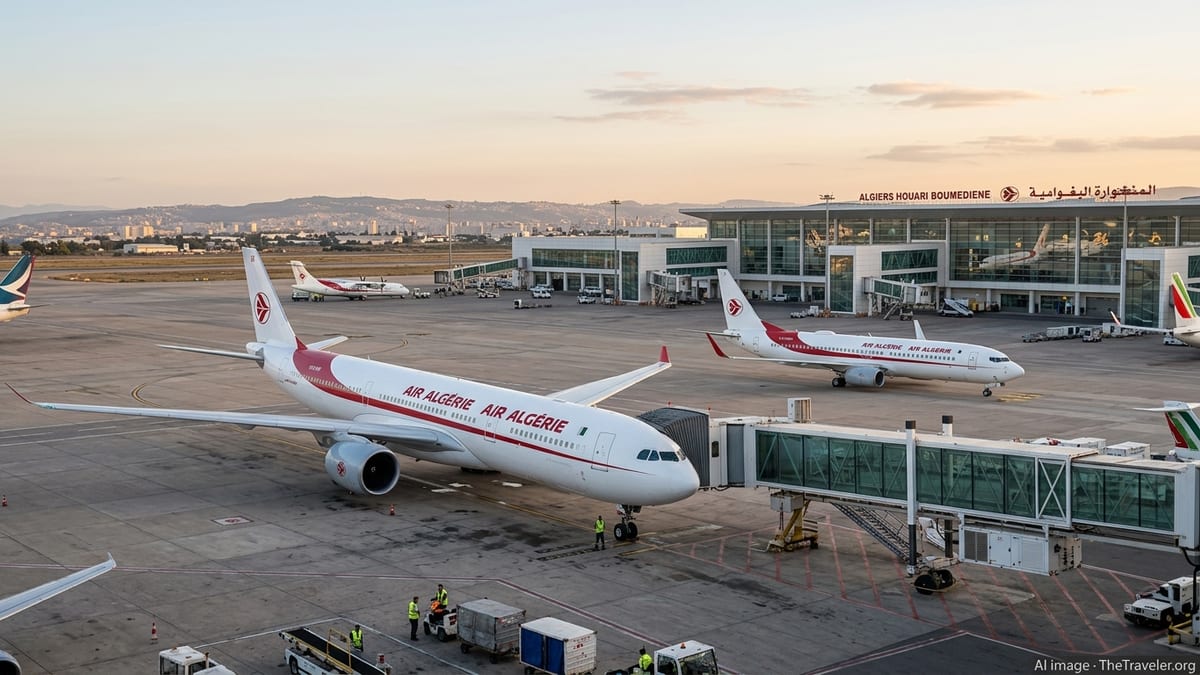
Policy Shift Lifts Financial Barrier for Key World Cup Nations
Recent updates to U.S. visa rules indicate that World Cup fans from several countries previously subject to bonds of up to 15,000 dollars will no longer need to pay those deposits if they hold valid match tickets and register through the official FIFA visa facilitation system. Publicly available information shows that the change applies to travelers from at least 50 nations, including five African teams that have qualified for the 2026 tournament: Algeria, Cape Verde, Ivory Coast, Senegal, and Tunisia.
The visa bond pilot, introduced in earlier years for certain B1 and B2 visitor visa applicants, had drawn concern from fan groups and travel stakeholders, who warned that the additional cost risked pricing many supporters out of attending matches. Coverage from African and international outlets in recent days reports that the U.S. State Department has now waived these bonds for verified World Cup ticket holders enrolled in the FIFA Pass or equivalent priority appointment systems.
For North America's first 48-team World Cup, the move is emerging as one of the most consequential pre-tournament adjustments to travel rules, particularly for countries with large, highly mobile fan bases. Travel analysts quoted across recent reports suggest that removing the bond makes long-haul trips more feasible for middle-income fans, narrowing a gap that had widened as airfares and accommodation prices climbed in major host markets.
The timing, less than a month before the opening match on June 11, 2026, reflects mounting pressure to reduce administrative friction for visitors amid concerns about lagging international demand. Industry surveys cited by U.S. tourism organizations already point to visa complexity as a significant factor tempering interest from foreign travelers, even as overall global appetite for major events remains strong.
Algeria and Fellow African Qualifiers See Travel Prospects Improve
Algeria's inclusion alongside Cape Verde, Senegal, Tunisia, and Ivory Coast in the updated bond waiver list is particularly significant for African football, given the continent's history of strong away support at World Cups. Earlier reporting on the bond requirement had highlighted that supporters from these nations faced one of the highest entry cost hurdles of any competing teams, due to both the deposit and the underlying visa process.
For Algeria, which returns to the global stage with a passionate diaspora spread across Europe, North America, and the Middle East, the financial reprieve is expected to unlock additional travel from independent fans who might otherwise have watched from afar. Travel forums and fan communities already show increased interest in itineraries combining group-stage matches in U.S. cities with side trips to Canada and Mexico.
Senegal and Tunisia, both with World Cup experience and established supporter cultures, stand to benefit in similar ways. Analysts note that lower entry costs could encourage more organized supporter groups to charter flights and coordinate group bookings for accommodation near stadiums in cities such as New York, Dallas, Los Angeles, and Atlanta, where African teams are expected to draw neutral as well as partisan crowds.
Cape Verde's first appearance at a World Cup adds another layer of symbolism to the policy shift. With a relatively small population but a sizable diaspora in Europe and the United States, reduced visa friction combined with the waiver of bonds could help transform the team's debut into a high-visibility moment for the island nation, supported by fans traveling in greater numbers than initially forecast.
Host Cities Position for Tourism Gains Across North America
While visa policy is set at the federal level in the United States, its effects are likely to be most visible in the 11 American host cities preparing for an influx of international visitors this summer. Destination marketing materials and community toolkits released by local authorities and tourism boards emphasize the World Cup's potential to generate sustained gains in hotel occupancy, spending in restaurants and retail, and repeat visitation beyond 2026.
Los Angeles, New York and New Jersey, Dallas, and Miami are widely expected to be key beneficiaries of increased arrivals from North and West Africa, where strong aviation links and existing diaspora communities can support higher-than-average stay lengths. Industry presentations circulated in recent weeks point to early spikes in search interest and booking inquiries from markets such as Algiers, Dakar, and Tunis following news of the bond waiver.
The tourism boost is not limited to U.S. venues. With Canada and Mexico also hosting matches, the broader North American travel corridor is positioned to capture multi-country itineraries. Some travel agencies are marketing packages that route fans through Toronto, Vancouver, or Mexico City before or after matches in the United States, leveraging more flexible visa regimes in those countries alongside the U.S. bond exemption for eligible travelers.
Observers note that the policy adjustment also helps align the World Cup with long-term branding goals for North America as a welcoming mega-event destination. Training materials shared within the visitor economy sector highlight the tournament as a showcase for improved visa processing, upgraded airport infrastructure, and refined crowd management practices that could be replicated for future large-scale events.
Balancing Security Concerns With Access for International Fans
The original visa bond pilot was framed as a tool to address overstay risks among certain nationalities, adding a financial guarantee to traditional screening processes. The World Cup-related waiver signals an effort to recalibrate that balance for a time-limited, highly visible global event, while retaining the underlying framework for other types of travel.
Guidance published by FIFA and national authorities continues to stress that match tickets and FIFA Pass enrollment do not replace the need for standard visas or electronic travel authorizations. Fans are being urged in official communications to complete applications early and to expect heavy demand for interview slots and border processing, particularly around the opening match and knockout rounds.
Security planning remains extensive across host cities, with federal and local agencies coordinating around stadium perimeters, fan zones, and transport hubs. Analysts note that scrapping bonds for a defined group of screened, ticket-holding travelers may help concentrate enforcement resources on higher-risk categories without undermining broader security objectives.
Legal experts cited in recent coverage also point out that the bond waiver is structured narrowly, tied to verified World Cup attendance rather than a wholesale change for all visitors from the affected countries. As a result, the policy is viewed as a targeted facilitation measure consistent with the long-standing practice of easing travel for major international sporting events.
Global Travel Momentum Builds Ahead of Kickoff
The relaxation of visa bond rules joins a wider set of measures intended to smooth journeys for 2026 World Cup attendees, including prioritised visa appointments for some ticket holders and expanded guidance on entry requirements across the three co-hosts. FIFA documentation on travel and visas underscores that millions of fans are expected to pass through North American airports and land borders over the course of the tournament.
Travel demand models produced by tourism research firms suggest that easier access for fans from bond-affected countries could modestly lift overall inbound visitor numbers, particularly during the group stage, when support is most evenly spread among the 48 qualified teams. Even marginal increases in long-haul arrivals can translate into substantial economic impact once spending on accommodation, food, local transport, and entertainment is factored in.
For Algeria, Cape Verde, Senegal, Tunisia, and other nations benefiting from the updated policy, the prospect of more accessible travel comes at a moment of growing interest in football-driven tourism. National airlines, tour operators, and local hospitality businesses are starting to tailor offers around the tournament, packaging flights and stays in major U.S. hubs with cultural excursions and regional side trips.
As kick-off approaches, the easing of visa bonds is emerging as a key storyline in the broader narrative of World Cup 2026 as a test of North America's readiness to host large-scale international crowds. Whether the adjustment fully offsets earlier concerns about cost and complexity remains to be seen, but for many fans across Africa and beyond, the path to the stadium has just become more attainable.