


More news on this day
United Airlines is set to relaunch nonstop flights between Saipan and Tokyo Narita on July 12, 2026, a move widely viewed as a key catalyst for reviving tourism across the Northern Mariana Islands after the devastation of Super Typhoon Sinlaku.
Get the latest news straight to your inbox!
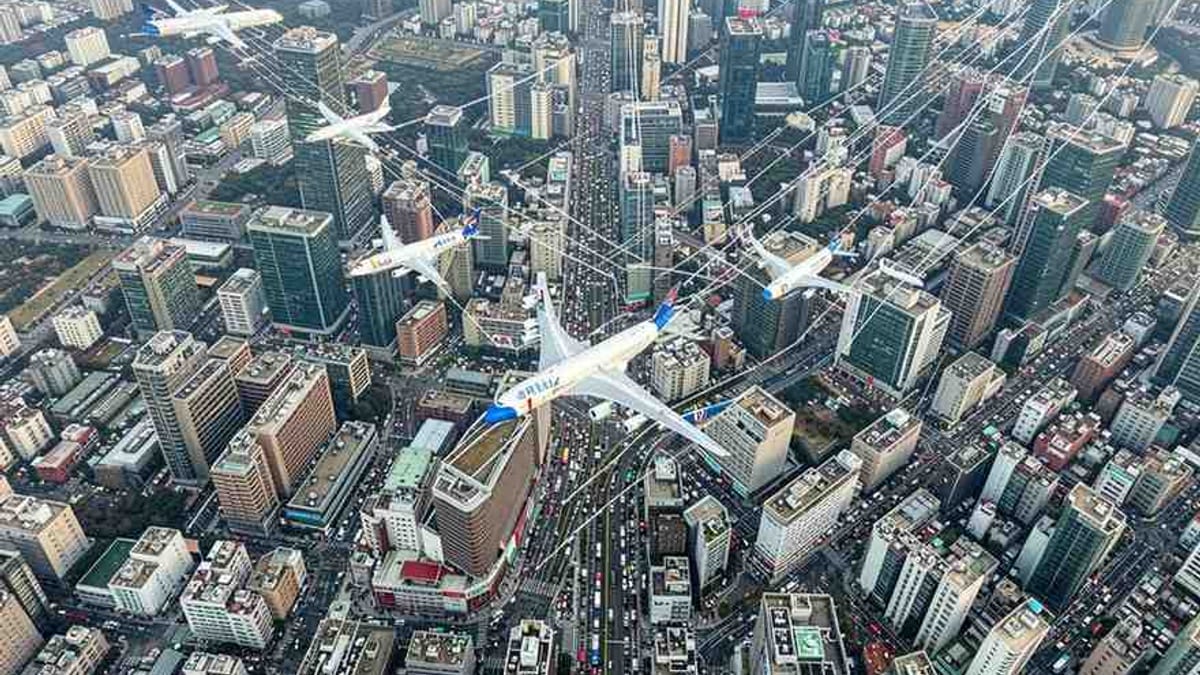
Route Relaunch Marks Turning Point After Sinlaku
Publicly available flight-planning data and aviation schedule trackers show United preparing to resume its Saipan to Tokyo Narita service in mid-July 2026, with the first departure targeted for July 12. The restoration of this link is emerging as one of the earliest concrete signs that the island’s visitor economy is shifting from emergency response to recovery following the powerful April storm.
Super Typhoon Sinlaku struck the Northern Mariana Islands in mid-April 2026, bringing destructive winds, heavy rainfall and storm surge that damaged roads, power lines and tourism infrastructure on Saipan and neighboring islands. Assessments released by local agencies and disaster-response partners describe widespread disruptions to hotels, small businesses and transport services during and immediately after the storm.
In recent updates, the Marianas Visitors Authority has outlined a phased recovery plan for tourism, noting that essential services, airport operations and a growing share of hotel inventory have returned to service. The timing of United’s Narita relaunch is broadly aligned with those recovery milestones, positioning the airline to capture early demand as leisure travelers return to the region.
Industry observers highlight that the Saipan–Narita corridor has historically served as an important access point not only for Japanese visitors but also for passengers connecting onward through Tokyo to other Asian markets. Restoring the route gives the islands renewed visibility in a competitive regional travel landscape at a moment when many destinations are vying for a limited number of long-haul seats from Japan.
Key Asian Gateways Feed Saipan’s Tourism Comeback
Saipan’s tourism strategy has long relied on a handful of major Asian gateways, and aviation data for 2025 and early 2026 indicates that Seoul Incheon, Tokyo Narita, Beijing, Shanghai, Manila and Guam collectively account for a dominant share of arrivals. Before the typhoon, South Korea was already the largest single source market for the Marianas, with official statistics showing Korean travelers making up a significant majority of total visitor numbers.
Industry reporting suggests that airlines and tour operators are working to restore and in some cases expand seat capacity from Seoul Incheon into Saipan and Guam, creating more options for regional itineraries that combine beach vacations with shopping and urban sightseeing. Package-tour brands in South Korea have historically marketed the Marianas as a short-haul tropical escape, and the resumption of reliable air links is expected to underpin fresh campaigns targeting families and young couples.
Japan remains an important though still-recovering market, with outbound travel demand gradually rebuilding after the pandemic and subsequent economic headwinds. The return of the Saipan–Narita nonstop provides Japanese travelers with a direct option to reach the islands without routing through Guam, shortening overall journey times and simplifying connections from domestic Japanese cities into Narita.
For China and the Philippines, the picture is more mixed but cautiously improving. Policy changes and travel authorization requirements have weighed on Chinese arrivals over the past several years, yet Saipan’s established recognition among Chinese travelers and the resumption of flights via Beijing and Shanghai are expected to support a modest rebound once capacity normalizes. Manila, meanwhile, continues to function as a practical Southeast Asian gateway, supporting both Filipino workers in the Marianas and a small but growing leisure segment.
Hotels, Resorts and Transport Shift From Repair to Readiness
In the weeks following Sinlaku, many beachfront properties on Saipan focused first on structural safety checks, debris removal and restoration of power and water. Recovery updates now indicate that a substantial portion of the island’s resort inventory has reopened with full or partial services, while additional properties are targeting phased reopenings through mid-2026.
Major resorts and midscale hotels around Garapan and the central tourism corridor are advertising refreshed room stock, upgraded backup power systems and revised emergency procedures. Some properties used the downtime to complete long-planned renovations, adding new pools, family rooms and food and beverage outlets aimed at regional tourists from Korea, Japan and the Philippines.
Airport and seaport infrastructure, which sustained disruption during the storm, has also progressed toward normal operations. Official bulletins confirm that Saipan’s main port channels have been cleared for daylight marine traffic, while the island’s international airport is handling a growing schedule of passenger flights and cargo movements bringing in building materials, consumer goods and tourism supplies.
Ground transport providers, including car-rental firms and tour-bus operators, report that fleet repairs and replacements are largely on track for the mid-year high season. This supports the broader push to ensure that when United’s Narita flights and other international services ramp up, arriving passengers will encounter a functioning, visitor-ready network on the ground.
Competitive Positioning in a Crowded Pacific Market
The relaunch of Saipan–Narita comes at a time when destinations across the western Pacific are intensifying efforts to attract post-pandemic travelers. Guam, Okinawa, Jeju and various Southeast Asian islands are investing heavily in marketing campaigns, air-service incentives and new resort projects, seeking to secure a larger share of limited regional demand.
Analysts note that Saipan’s combination of World War II historical sites, accessible reefs and relatively short flight times from Northeast Asia gives it a differentiated product, especially for repeat travelers who have already visited more established resort hubs. The return of nonstops from Narita strengthens that positioning by reassuring Japanese and connecting passengers that the island is once again straightforward to reach.
At the same time, competition for aircraft and crews remains intense, and any new route or frequency additions into Saipan must contend with strong demand for capacity on more established long-haul markets. United’s decision to restore the Narita service in July 2026 is therefore being read as a signal that the airline sees sustainable medium-term demand, especially when combined with its broader Asia network and Guam-based operations.
Regional tourism planners are using the relaunch as a focal point for coordinated campaigns that highlight the Marianas as open for business after Sinlaku. Early indications from travel agencies in Seoul, Tokyo and Manila suggest that promotional fares tied to the new schedule could accelerate the return of small group tours and independent travelers through the second half of 2026.
Balancing Resilience, Safety and Growth
Even as airlines and hotels prepare for an upswing in visitors, local authorities and community groups are emphasizing that recovery efforts remain ongoing. Many residents continue to repair homes and businesses damaged by high winds and flooding, and long-term plans for coastal defenses, power reliability and emergency shelters are under discussion across the islands.
Tourism advocates argue that attracting visitors back to Saipan and the wider Marianas will play a central role in funding those resilience investments. Visitor spending supports government revenues, small business employment and infrastructure maintenance, creating a feedback loop between a healthy tourism sector and the islands’ ability to weather future storms.
Travel advisories and tourism information channels are encouraging visitors to stay informed about local conditions, note any remaining service limitations and support community-focused businesses where possible. The aim is to ensure that the return of international flights from Narita, Incheon, Beijing, Shanghai, Manila and Guam translates not only into hotel bookings but also into tangible benefits for residents still rebuilding after Sinlaku.
With the July 12 relaunch of United’s Saipan–Tokyo Narita route on the horizon, the Marianas are positioning themselves for a delicate but determined shift from disaster response to renewed growth. If airlines, hotels and public agencies can maintain momentum through the 2026 high season, the islands may emerge from one of their most challenging years with a more resilient and diversified visitor economy.