


More news on this day
United Airlines is set to expand its Japan network with the first-ever nonstop flights from the continental United States to Sapporo and a new Chicago to Tokyo Narita service, a move that industry observers say reflects surging demand for travel between the two countries.
Get the latest news straight to your inbox!
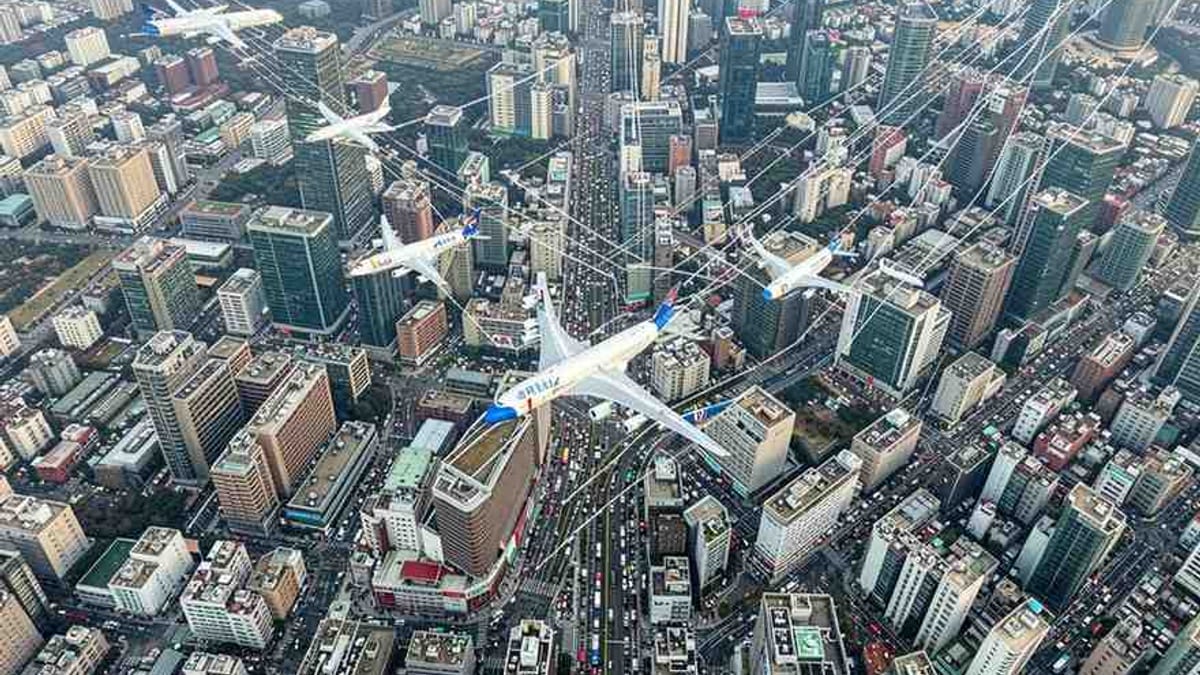
First Direct U.S. Flights to Sapporo Announced
United has unveiled plans for a new seasonal nonstop route between San Francisco International Airport and Sapporo’s New Chitose Airport, described in published coverage as the first direct link between the continental United States and the Hokkaido capital. The service is scheduled to operate during the northern winter, directly targeting the peak season for the region’s renowned powder snow and winter festivals.
Reports indicate the route will be operated by Boeing 787 Dreamliner aircraft, offering a mix of business, premium economy and standard economy cabins suited to both leisure and high-yield travelers. The move places United in a first-mover position on a niche but fast-growing corridor, aiming to capture U.S. demand for ski, snowboard and culinary trips to northern Japan.
Travel industry analysis suggests that Sapporo’s reputation as a winter-sports hub, combined with its vibrant food culture, has been steadily drawing more international visitors. By bypassing the traditional Tokyo connection, the new flight is expected to cut travel times by several hours for West Coast passengers heading to Hokkaido resorts such as Niseko and Furano.
Tourism-focused outlets note that the new Sapporo link comes at a time when airlines are racing to secure distinctive destinations in Asia. For United, Sapporo offers a way to differentiate its Japan portfolio while reinforcing San Francisco’s role as a key Pacific gateway.
New Chicago to Tokyo Narita Link Strengthens Transpacific Hub
Alongside the Sapporo launch, United is adding a new year-round nonstop service between Chicago O’Hare and Tokyo Narita, re-establishing a direct link between the Midwestern hub and one of Tokyo’s primary international airports. Aviation trade coverage reports that this flight will complement United’s existing Chicago to Tokyo Haneda service, expanding options for both point-to-point and connecting passengers.
The Chicago–Narita route is expected to operate daily and to feed a broad network of onward connections across Asia. Publicly available information highlights that Narita remains an important transfer point for itineraries to destinations such as Southeast Asia and the Pacific, particularly via United’s partnership with All Nippon Airways.
Analysts note that Chicago O’Hare has been a strategic focus for United’s international growth, with the carrier expanding both long-haul and regional connectivity from the airport. The new Narita flight is viewed as a way to balance corporate travel demand from the Midwest with rising interest in leisure travel to Japan.
Industry commentary points out that the addition of Narita service also provides scheduling flexibility. Travelers from Chicago and surrounding cities will gain more options for departure times, routings and frequent flyer benefits when planning trips to Tokyo and beyond.
Japan Travel Demand Surges From the United States
United’s latest network moves come against a backdrop of strong recovery and growth in U.S. travel to Japan. According to recent airline and tourism reporting, visitor numbers from North America have rebounded sharply as Japan has relaxed entry requirements and promoted regional destinations beyond Tokyo, Kyoto and Osaka.
The airline has reported carrying more than 1.8 million passengers between the United States and Japan in 2025, outpacing other U.S. competitors on the transpacific corridor. Aviation analysts interpret the new Sapporo and Chicago–Narita routes as a bet that this momentum will continue through the 2026 winter season and beyond.
Travel media coverage highlights that Japan’s combination of cultural tourism, winter sports, urban dining and nature-focused experiences is attracting a wider demographic of U.S. travelers. Younger independent travelers, high-end leisure guests and repeat visitors looking for new regions are all cited as key demand drivers.
For airlines, this shift has translated into a push toward more diverse Japanese gateways. By adding Sapporo and reinforcing Narita, United positions itself to capture travelers who might previously have relied on multi-stop itineraries or foreign carriers for access to northern and secondary Japanese markets.
San Francisco and Chicago Gain Strategic Asia Links
San Francisco and Chicago, two of United’s largest hubs, stand to gain significant strategic value from the Japan expansion. Industry reports describe San Francisco as a primary launching point for long-haul Pacific flights, with the new Sapporo service further enhancing its role as a bridge between the U.S. West Coast and Asia.
For San Francisco, the addition of Sapporo complements existing routes to Tokyo Haneda, Tokyo Narita, Osaka and other Asian cities. Network planners view this clustering of destinations as a way to offer West Coast travelers more choice while maximizing aircraft utilization across seasons.
Chicago, meanwhile, benefits from reinforced connectivity to both of Tokyo’s major airports. With Haneda already linked to O’Hare, the new Narita route increases schedule density and provides alternative gateways during peak travel periods or operational disruptions.
Aviation analysts suggest that the dual Tokyo strategy from Chicago may also support cargo flows, given Narita’s established role in transpacific freight operations. The combination of passenger and cargo demand can improve route economics and encourage sustained year-round service.
Competitive Landscape and Traveler Impact
United’s Japan expansion intensifies competition among U.S. and Japanese carriers on transpacific routes. While other airlines have focused on frequency to Tokyo and Osaka, United’s decision to open Sapporo from the continental United States is viewed as a targeted effort to capture a high-yield niche segment.
For travelers, the most immediate impact is greater choice and shorter journey times. Skiers, snowboarders and winter travelers from the U.S. West Coast will be able to fly directly into Hokkaido without navigating domestic transfers in Japan, while Midwestern passengers gain another nonstop option to Tokyo and onward Asian destinations.
Travel planners indicate that the timing of the Sapporo service for the winter season could stimulate new package offerings, including bundled airfare, accommodations and resort transport. Tour operators are expected to leverage the direct route to promote multi-day itineraries that combine city stays in Sapporo with time on the slopes.
With both routes set to launch in late 2026, the coming year will provide an early test of how enduring the current surge in U.S.–Japan travel demand proves to be. If load factors and yields meet expectations, industry observers anticipate that United and rival carriers may further refine and expand their networks across Japan’s regional cities.