


More news on this day
Amazon has paused operations with cargo airline 21 Air after an Amazon-branded Boeing 767 freighter overran a runway at Miami International Airport, killing five people on the ground and disrupting flights at one of the United States’ busiest aviation hubs.
Get the latest news straight to your inbox!
Runway overrun at Miami International leaves five dead
Publicly available reports indicate that the accident occurred on September 6, when a 21 Air operated Boeing 767 flying for Amazon Air attempted to land at Miami International Airport in stormy conditions. The aircraft, painted in Amazon’s Prime Air livery, failed to stop on Runway 30, burst through the airport perimeter and struck vehicles outside the airfield.
Investigative summaries describe the jet careening off the pavement, crashing into a van transporting airport cleaning workers and at least one other vehicle on a public road. Five people in the ground vehicles were killed and several others were injured, while the aircraft came to rest nose down with visible fire damage around the forward fuselage.
Initial data referenced in aviation safety coverage suggests the crew battled an unstable approach, with cockpit recordings indicating concerns about excessive speed on final descent. Flight tracking and preliminary analysis point to a late attempt to recover the landing, with the aircraft briefly powering up as if to go around before the overrun occurred.
The jet had been arriving from San Juan, Puerto Rico, as a scheduled Amazon Air cargo service. The crash scattered debris and cargo in an area that included nearby roadways and airport support zones, adding to the complexity of the emergency response and subsequent cleanup.
Amazon suspends partnership with 21 Air
In the days following the crash, Amazon announced through its corporate news channels and in statements cited by multiple outlets that it was pausing operations with 21 Air, the North Carolina based cargo carrier that operated the ill fated flight. The decision effectively suspends the airline’s role within the Amazon Air network while investigations continue.
Public information from Amazon characterizes the move as a pause rather than a permanent severing of ties, indicating that the company is reviewing circumstances around the incident and its partnership with the carrier. Industry analysis notes that 21 Air had operated a portion of Amazon’s U.S. domestic cargo schedules, with a fleet of Boeing 767 freighters dedicated to e commerce traffic.
Reports in business and aviation publications highlight that Amazon has relied on a patchwork of contracted airlines to power its growing air logistics arm, using carriers such as 21 Air alongside larger cargo specialists. The suspension underscores how quickly relationships can shift when a contractor is involved in a high profile safety event that draws national attention.
Commentary from logistics analysts suggests the move is intended both to signal Amazon’s focus on safety and to limit potential operational and legal exposure while federal investigators examine pilot actions, maintenance records and company practices at the cargo airline.
Delays and disruption ripple through Miami gateway
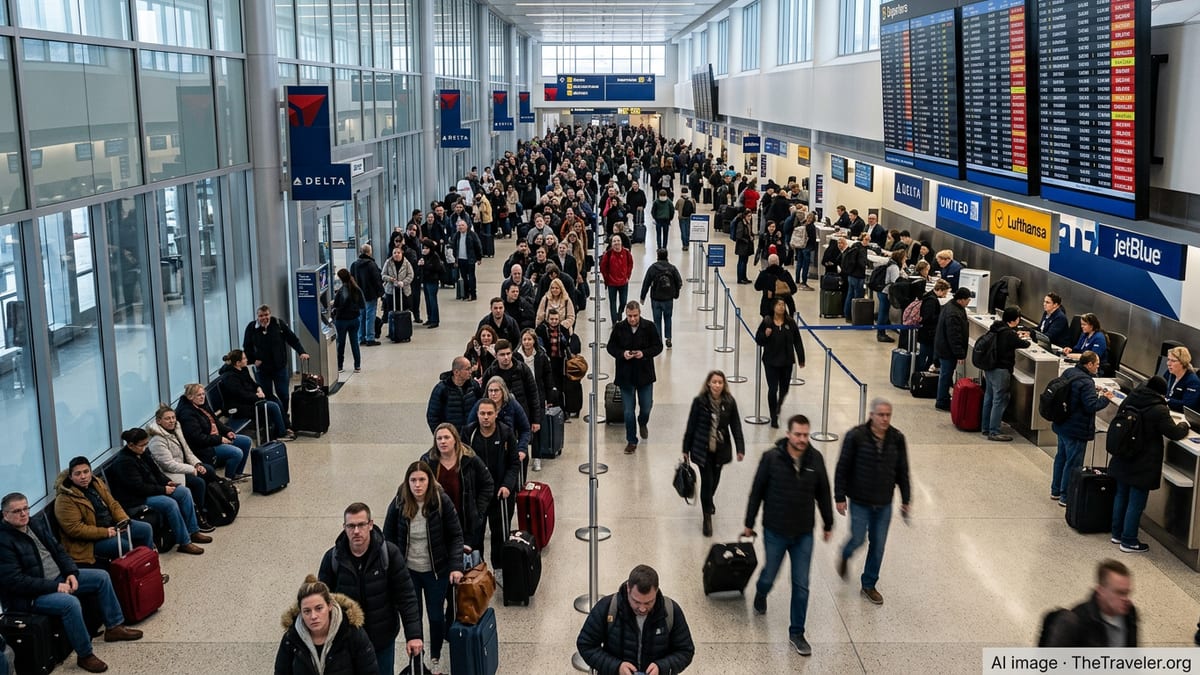
The crash and resulting fire at Miami International Airport triggered significant operational disruption at a facility that serves as a major passenger and cargo gateway to Latin America and the Caribbean. Local coverage and passenger accounts describe temporary ground stops and runway closures as emergency crews worked to extinguish the blaze and secure the accident scene.
With a primary runway blocked and adjacent taxiways restricted, airlines were forced to delay or divert flights, creating knock on effects across domestic and international networks. Some flights were rerouted to nearby airports in South Florida, while others experienced multi hour delays as traffic was metered into the constrained airfield.
Miami International has grown as a central hub for all cargo operations, and the removal of a widebody freighter from service, combined with the closure of airfield infrastructure, tightened capacity in an already busy system. For travelers, the incident meant long lines, missed connections and last minute schedule changes as airlines adjusted to evolving airport conditions.
Airport operations updates referenced in regional media indicate that full normal use of the affected runway and surrounding areas required an extended clearance and inspection process, including the removal of wreckage and damaged vehicles and assessment of any harm to the pavement and lighting systems.
Safety investigation focuses on speed, landing decisions
The National Transportation Safety Board has opened a formal investigation into the accident, and early summaries of recorder data made public through news coverage point to questions around speed management and landing decisions. Reports describe repeated alerts and cockpit remarks indicating the aircraft was too fast on approach to Miami.
According to technical analyses cited in aviation media, the widebody cargo jet touched down long on the wet runway, reducing the remaining distance available to stop. Investigators are examining why certain braking systems and aerodynamic devices may not have deployed as expected, and whether a go around should have been initiated earlier in the approach.
Attention is also turning to 21 Air’s training and operational culture. Documents referenced in separate reporting point to previous concerns raised by at least one former pilot about safety practices at the carrier, though those claims remain part of a broader pattern of scrutiny rather than formal findings at this stage.
The investigation is expected to review flight crew scheduling, maintenance logs and company guidance for operating in severe weather. Analysts note that cargo operations often fly overnight and in marginal conditions, which can increase fatigue and workload for pilots and ground staff compared with typical daytime passenger schedules.
Implications for cargo networks and traveler confidence
Amazon’s decision to suspend flights with 21 Air raises questions about how swiftly the e commerce giant can reallocate traffic across its broader air network. Industry observers suggest that other partner airlines may absorb some flying, but that short term adjustments could affect routing patterns and transit times on certain lanes.
For Miami, the incident comes as the airport continues to handle strong passenger and cargo volumes. The crash highlights the challenges of managing safety in an environment where heavily loaded cargo jets share runways and taxiways with dense passenger traffic and where surrounding urban development leaves little margin outside the airfield perimeter.
Travel industry analysts note that while runway overruns of large jets remain relatively rare, their consequences can be severe when aircraft leave airport property and enter public roadways. The Miami crash is therefore likely to feed into ongoing debates over runway safety areas, engineered arresting systems and procedures for unstable approaches.
As investigators work through the technical details, airlines, cargo operators and airport authorities worldwide are expected to follow the findings closely. The outcome may influence how carriers train flight crews for high energy approaches, structure partnerships with contract operators and communicate with travelers when major incidents bring one of the world’s busiest air hubs to a standstill.