


More news on this day
American Airlines is contending with fresh operational turbulence at its Dallas Fort Worth hub after internal scheduling decisions reportedly blocked 1,128 days of crew flying in a single month, undercutting capacity and contributing to a new wave of delays for thousands of travelers.
Get the latest news straight to your inbox!
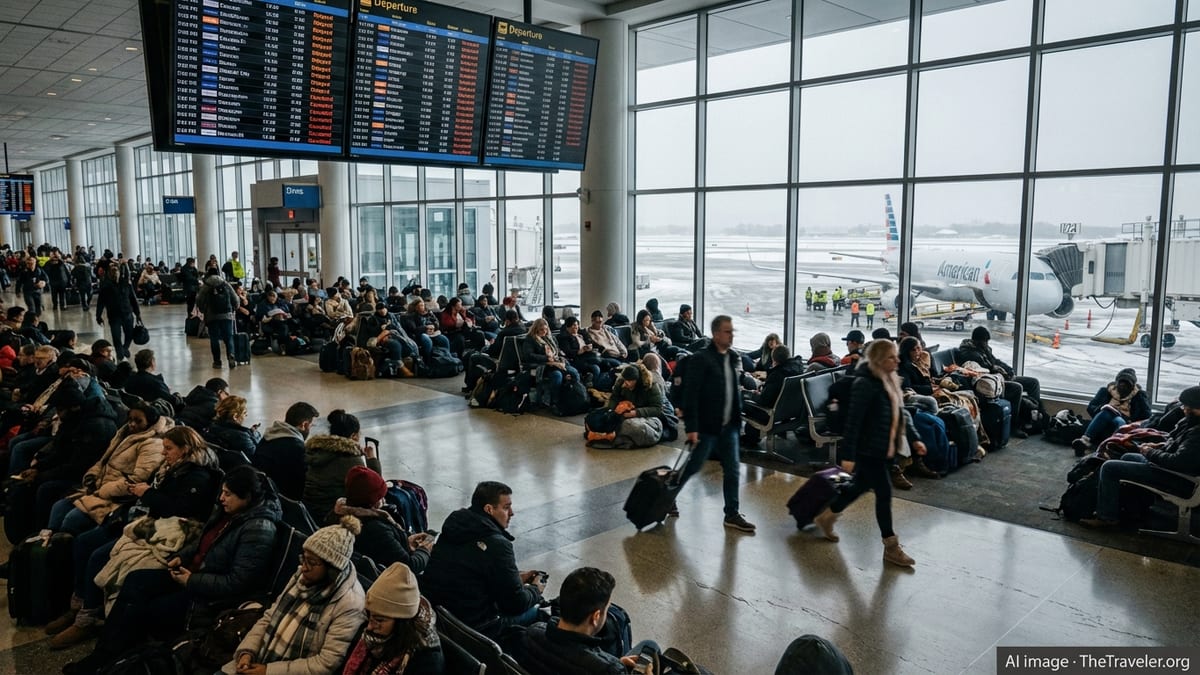
How a Scheduling Decision Rippled Across Dallas Fort Worth
According to industry reports and union communications, an internal American Airlines management decision effectively removed 1,128 days of available flight attendant and pilot flying time in a single month, just as the carrier headed into a peak travel period at Dallas Fort Worth International Airport. Instead of being deployed on the line, those crew days were blocked for meetings, training and other management-directed activities, leaving fewer crews available to operate an already tight schedule.
The figure, described by labor representatives as unprecedented at the Dallas base, surfaced as American sought to steady its network following a series of weather shocks and prior staffing challenges. At a hub where the airline operates hundreds of daily departures, even a modest shortfall in crew availability can quickly magnify into missed connections, rolling delays and last-minute cancellations.
American has not publicly disputed that large blocks of crew time were taken out of the schedule, but points in its customer-facing materials to a combination of weather, air traffic control constraints, crew rest requirements and mechanical issues as the primary drivers of irregular operations. Publicly available data from flight-tracking and federal aviation sources show that DFW has experienced repeated congestion spikes this year, with arrival and departure banks backing up whenever storms or staffing disruptions hit at the wrong moment.
Union officials argue that the blocked days created a self-inflicted vulnerability. With fewer crews to absorb routine disruptions, they say, everyday operational hiccups at DFW more readily cascade into multi-hour delays for passengers.
Delays Hit Peak Travel as Crews Time Out
The impact of the scheduling move has been most visible on peak travel days, when Dallas Fort Worth already operates near its maximum capacity. Travelers have reported long lines, repeated gate changes and late-night rolling delays when crews timed out under federal duty rules before replacement staff could be found.
Federal regulations strictly limit the number of hours pilots and flight attendants can work within a given period, requiring mandatory rest once those limits are reached. When a thunderstorm cluster or ground stop pushes flights back, crews assigned to operate later segments may suddenly exceed their legal duty window. At a well-staffed hub, reserve crews can cover those trips. At DFW, reports suggest that the blocked 1,128 days of crew time significantly reduced that buffer.
Recent posts by frequent flyers and aviation enthusiasts describe Dallas evenings where multiple American Airlines flights were delayed or canceled after crews reached their duty limits with no replacements available, even as aircraft and passengers were ready to go. Those same accounts note that delays often started as short pushes of 30 minutes before stretching into multi-hour waits, a pattern consistent with airlines trying to buy time in hopes of freeing up legal crews.
Labor groups say that by pulling hundreds of days of flying out of the schedule in a single month, managers underestimated how frequently DFW’s operation would need extra staffing to recover from storms, air traffic restrictions or maintenance issues. That miscalculation, they contend, has left front-line crews to absorb passenger frustration during some of the busiest weeks of the year.
Strain on Crews Raises Safety and Morale Concerns
Beyond the immediate disruption for passengers, the blocked flying days have raised concerns among flight crews about fatigue, staffing pressure and morale. Flight attendants and pilots based in Dallas describe longer duty days, tighter connections between legs and more frequent reassignments as the company tries to cover its schedule with fewer available people.
Union briefings warn that concentrated spikes in workload, combined with the stress of operating through repeated irregular operations, can wear on crews who are also responsible for safety-critical duties in flight. They argue that shifting so much flying time off the line in a single month has amplified that stress, even if the decision was intended to accommodate training or other internal priorities.
The tension comes on the heels of earlier disruptions in which American’s crews struggled to secure hotels and transportation after weather and scheduling snarls, particularly during a winter storm that hit North Texas hard. Those episodes highlighted how quickly a large hub can seize up when crew logistics break down, leaving staff without adequate rest and passengers without clear information about when flights will depart.
American’s published customer service and contingency plans emphasize its commitment to safety, promising that crews will not be pushed beyond legal duty limits and that passenger comfort remains a priority during delays. The current scrutiny around the 1,128 blocked days underscores the challenge of upholding those commitments when resource decisions constrain the operation’s flexibility.
What the Disruption Means for Travelers Through Dallas
For travelers, the practical effect of American’s Dallas crew squeeze shows up as longer-than-expected travel days, missed connections and weary evenings waiting for updates. While weather and air traffic control programs still account for many delays at DFW, the added strain from reduced crew availability means that even modest disruptions can spin into larger breakdowns.
Travel data from recent months indicate that some American routes into and out of Dallas have experienced elevated delay averages compared with historic norms, especially during late-afternoon and evening banks when cumulative disruptions are most likely to peak. Anecdotal accounts from passengers describe multi-hour waits where the aircraft was on the ground but a legal crew could not be assembled in time.
Consumer advocates note that passengers affected by significant delays or cancellations may be eligible for rebooking and, in some cases, refunds or hotel accommodations, depending on the cause of the disruption and American’s internal policies. However, the process of securing those remedies can be time-consuming, particularly on days when large numbers of flights are affected.
Regular flyers through Dallas say they are increasingly building in longer connection times, avoiding last departures of the night and keeping a close eye on weather forecasts when booking American via DFW. The blocked crew days episode has reinforced the perception that the hub is operating with less margin for error than many travelers would like.
Pressure Mounts for Operational Fixes Ahead of Future Peaks
The revelation that more than 1,100 crew days were sidelined in a single month has added urgency to calls for American Airlines to recalibrate its staffing and scheduling approach at Dallas Fort Worth before the next wave of holiday and summer traffic. Labor groups are pressing for safeguards to ensure that large blocks of crew flying are not removed from the schedule without clear contingency plans.
Aviation analysts note that airlines across the industry are still fine-tuning staffing models after the pandemic, balancing the cost of keeping additional crews on reserve against the reputational damage and revenue loss that come when irregular operations cascade through a hub. In that context, the Dallas episode is being watched as a test of how far carriers can stretch their workforces without eroding reliability.
For American, which counts DFW as its flagship hub and corporate home, persistent delays risk pushing loyal customers to competitors or to alternative airports in North Texas. The company has invested heavily in both infrastructure and schedule growth at Dallas, but those investments depend on a crew system robust enough to keep flights moving when the weather, the air traffic system or internal priorities shift suddenly.
With regulators, unions and passengers all closely tracking performance at DFW, American’s handling of the 1,128 blocked crew days and its efforts to prevent a repeat will help define the carrier’s operational reputation in its largest market in the months ahead.