


More news on this day
The United States has issued a worldwide travel caution advising Americans to exercise increased vigilance abroad, citing heightened security risks and rapidly shifting conditions linked to ongoing tensions across the Middle East.
Get the latest news straight to your inbox!
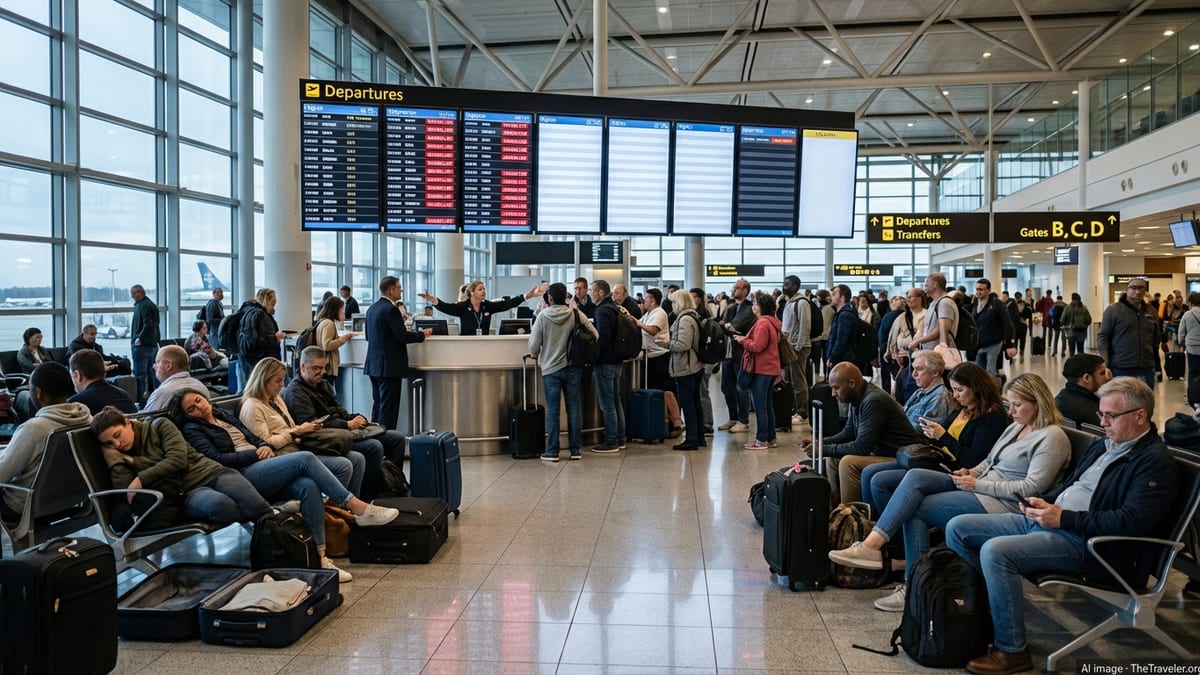
New Worldwide Caution Highlights Global Security Concerns
The latest worldwide caution notice, published by the U.S. Department of State in late March 2026, urges U.S. citizens to be particularly alert to the potential for violence or disruptions tied to the conflict landscape in the Middle East. Publicly available information indicates that the advisory points to an elevated risk of attacks or unrest that could affect U.S. travelers and facilities in multiple regions.
The caution emphasizes that conditions can deteriorate quickly, with little or no warning. Reports indicate that the notice underscores the potential for demonstrations, retaliatory attacks, and opportunistic violence in locations associated with the United States or its partners. Travelers are advised to stay aware of their surroundings, avoid large gatherings where possible, and have contingency plans for rapid changes in the local security environment.
According to published coverage, the advisory applies globally but singles out the Middle East as an area of particular concern. The department’s messaging points to a combination of ongoing conflict, regional rivalries, and the actions of armed groups as key drivers of the current security picture.
Heightened Advisories Across the Middle East
Alongside the worldwide caution, many countries across the Middle East remain under elevated, country-specific advisories. Official travel advisory pages show a concentration of Level 3 “Reconsider Travel” and Level 4 “Do Not Travel” designations in the region, reflecting persistent security challenges such as terrorism, armed conflict, civil unrest, and the risk of kidnapping.
Recent advisories for states including Iran, Iraq, Syria, Yemen, Lebanon, and Gaza continue to warn against any travel due to active conflict dynamics, unpredictable violence, and limited consular access. Public information on these destinations notes that infrastructure damage, checkpoints, and sudden road closures can impede movement and complicate any attempt to depart during a crisis.
For Gulf states such as Bahrain, Qatar, Saudi Arabia, and the United Arab Emirates, advisories generally urge travelers to reconsider non-essential trips. These notices reference the risk that regional tensions could spill over into missile or drone attacks, cyber incidents, or other forms of destabilizing activity directed at critical infrastructure, transport hubs, or symbolic targets.
Travel guidance also highlights the impact of restricted border crossings and shifting airspace permissions. During previous spikes in tension, multiple Middle Eastern countries partially or fully closed their airspace, causing extensive delays, diversions, and cancellations for commercial flights transiting the region.
Impact on Air Travel and Regional Mobility
The worldwide caution coincides with reports of operational challenges for airlines and travelers whose routes intersect the Middle East. Aviation notices indicate that regulators in the United States and other countries have issued advisories urging carriers to use caution when operating in or near conflict-affected airspace, reflecting concerns over potential threats to civil aviation.
During earlier phases of the current crisis, closures of key flight corridors and temporary restrictions around major hubs disrupted global travel patterns, forcing airlines to reroute long-haul services and, in some cases, suspend operations. Publicly available accounts describe widespread delays, missed connections, and complex rebooking processes as carriers responded to safety directives and changing overflight permissions.
The latest caution encourages travelers to anticipate the possibility of sudden schedule changes, extended layovers, or enforced stopovers if security conditions worsen. Some travelers may also face secondary impacts, such as delays in visa processing or consular services, when embassies and consulates adjust staffing levels or appointment availability in response to local risk assessments.
Travel industry analysis suggests that itineraries passing through traditional transit hubs in the Gulf and wider region may require additional flexibility. Passengers are being advised, in publicly accessible guidance, to monitor airline notifications closely and to consider travel insurance products that explicitly cover disruption related to conflict or security events.
Guidance for Americans Abroad and Prospective Travelers
While the worldwide caution does not prohibit international travel, it seeks to reinforce a more risk-aware approach for Americans heading overseas. Official guidance stresses the importance of reviewing country-specific advisories before departure, paying attention not only to headline security levels but also to regional variations, curfews, and restrictions that may apply within a given country.
Public information from U.S. government platforms recommends that citizens traveling abroad share detailed itineraries with family or trusted contacts, maintain copies of key documents, and track local news and security updates. Travelers already in the Middle East are encouraged, according to this guidance, to identify safe shelter options, understand alternate exit routes, and keep mobile devices fully charged in case of sudden disruptions.
Various advisories also highlight the value of staying in touch with nearby diplomatic missions through available enrollment and alert systems, which can provide time-sensitive information about protests, closures, or emerging threats. Reports emphasize that in high-risk environments, commercial options for departure may become limited or unpredictable if tensions escalate further.
Security observers note that the current worldwide caution reflects a broader pattern of travel risk in a period marked by interstate conflict, proxy tensions, and the activities of non-state actors. For travelers, the practical message is to treat itineraries that touch the Middle East with particular care, weighing personal risk tolerance against the potential for sudden changes in both security conditions and the global transport network.