


More news on this day
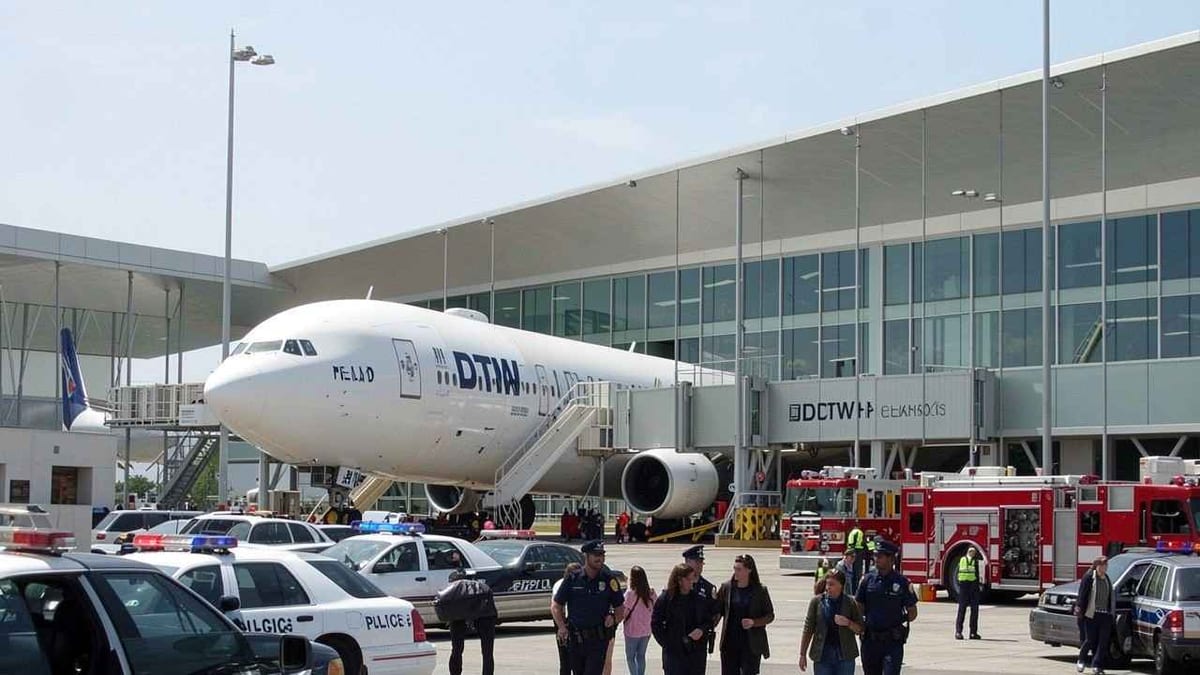
An emergency fuel diversion involving an American Airlines flight has sparked a wave of criticism from travelers, who say they were left stranded with few rebooking options, limited information and little immediate assistance once the aircraft was safely on the ground.
Get the latest news straight to your inbox!
Emergency Diversion Highlights Operational Strain
According to publicly available flight-tracking data and aviation reports, the American Airlines service involved diverted to an unscheduled airport after a fuel-related concern arose en route. Aviation specialists note that when aircraft encounter unplanned headwinds, holding patterns or routing changes, fuel reserves can be consumed more quickly than expected, forcing pilots to land at the nearest suitable airport for safety reasons.
Reports indicate that the diversion in this case was precautionary, with the crew opting to land rather than continue with fuel margins deemed too narrow under company and regulatory standards. Industry guidance stresses that pilots are required to prioritize fuel safety over schedule commitments, even when this means significant disruption for passengers and airline operations.
Recent months have seen a series of high-profile diversions among major carriers, many of them related to weather, technical issues or minimum fuel requirements. Analysts point out that a combination of congested airspace, volatile jet fuel prices and tight scheduling can leave little room for error when flights encounter unexpected conditions, increasing the likelihood of unscheduled stops.
Fuel management is particularly sensitive on long or heavily loaded flights, where aircraft may depart with reduced fuel loads to stay within weight limits. If weather systems intensify or air traffic control assigns longer routings, that balance can shift rapidly, leading to a diversion that may not have been anticipated at departure.
Passengers Report Being Left With Few Options
Traveler accounts shared on social media and aviation forums describe a chaotic scene after the American Airlines diversion, with passengers alleging that rebooking options were scarce and that some were advised to wait extended periods without clear onward plans. Several posts claim that, once the immediate safety issue was resolved and the aircraft had landed, communication about what would happen next was sporadic and sometimes conflicting.
In these accounts, some passengers say they were offered seats on later flights that would not depart until the following day or beyond, while others reported being told that nearby services were already full. A number of travelers indicated they felt effectively stranded, caught in a gap between the airline’s operational limitations and their own urgent need to reach final destinations or connecting points.
Similar complaints have surfaced in other recent diversion cases across the U.S. airline industry, where passengers contend that they received limited guidance on alternative transport, overnight accommodation or reimbursement. Consumer advocates argue that diversions can expose systemic weaknesses in customer care, particularly at airports where an airline has a smaller footprint or minimal spare capacity.
For American Airlines, the latest incident adds to an accumulation of traveler frustration documented in online communities, where contributors have highlighted tight schedules, full flights and limited rebooking inventory as recurring obstacles when irregular operations occur.
Policy Gaps and Passenger Rights Under Scrutiny
The situation has renewed attention on the gap between what passengers expect after a disruptive event and what airlines are legally required to provide. Publicly available guidance from regulators in the United States indicates that compensation rules are comparatively limited when disruptions stem from safety-related or operational decisions that are not strictly within an airline’s control.
Under current U.S. norms, carriers are generally obligated to transport passengers to their ticketed destination, but timelines, routing and specific amenities are often governed by each airline’s contract of carriage rather than rigid regulation. Consumer groups note that this framework can leave travelers uncertain about whether they qualify for hotel vouchers, meal credits or rebooking on other airlines when a diversion leads to missed connections or overnight delays.
Advocates also point to previous enforcement actions in which airlines, including major U.S. carriers, faced penalties for excessive tarmac delays and inadequate handling of stranded passengers. Those cases typically involved passengers kept onboard aircraft for extended periods, but critics argue that similar scrutiny should apply when travelers are left in terminals with unclear information and no practical route forward.
Public commentary following the latest American Airlines diversion has reignited comparisons with compensation regimes in parts of Europe, where passengers on delayed or canceled flights often have clearer entitlements. Industry observers caution, however, that fuel-related diversions and emergency decisions made for safety reasons are frequently carved out from such rules, even in jurisdictions with stricter protections.
Operational Challenges Around Fuel and Network Planning
Aviation analysts say the American Airlines case underscores the complexity of fuel planning in a network already under pressure from high costs and tight capacity. Jet fuel represents a significant portion of airline operating expenses, and carriers continuously adjust routes, aircraft types and schedules to keep fuel consumption and costs in check.
In recent weeks, American Airlines and other major U.S. carriers have trimmed or adjusted certain longer domestic routes, citing fuel economics and aircraft utilization. Industry commentary suggests that these changes can help preserve reliability on core routes, but they may also reduce flexibility when disruptions occur, leaving fewer backup options available at short notice.
Experts add that diversion decisions are influenced not only by fuel considerations but also by the availability of maintenance support, crew resources and ground handling at alternate airports. When an unscheduled stop takes place at a location with limited infrastructure or few onward flights, airlines may struggle to quickly reposition aircraft or rebook passengers, especially during peak travel periods.
The interplay between safety requirements and commercial realities means that airlines walk a narrow line when planning fuel loads and routing. While safety margins are mandated and non-negotiable, the commercial environment incentivizes high aircraft utilization and dense schedules, conditions that can magnify the downstream impact of any unplanned landing.
Growing Calls for Clearer Standards and Communication
In the aftermath of the American Airlines diversion, consumer advocates and frequent travelers are emphasizing the need for clearer, more consistent standards on how passengers are supported when emergency or fuel-related landings lead to extended disruption. Commentators argue that, even when a diversion is unavoidable for safety reasons, airlines can do more to anticipate passenger needs and outline realistic options.
Suggestions shared by travel rights organizations and aviation commentators include standardized minimum assistance for passengers stranded overnight, clearer written explanations of options at the time of disruption and more transparent online tools for rebooking without lengthy queues. Some also call for regulators to collect and publish more detailed data on diversions and post-diversion handling, to help identify patterns and potential areas for improvement.
For now, much of the pressure on carriers such as American Airlines is playing out in the court of public opinion, as travelers share detailed timelines and personal accounts of their experiences during irregular operations. With peak travel seasons bringing full flights and constrained networks, the handling of emergency diversions is likely to remain a focal point in ongoing debates about airline reliability and passenger rights.