


More news on this day
American Airlines is confronting a wave of flight cancellations and delays at its Dallas Fort Worth International Airport hub in July 2026, as severe summer storms collide with ongoing staffing and operational constraints across the carrier’s vast network.
Get the latest news straight to your inbox!
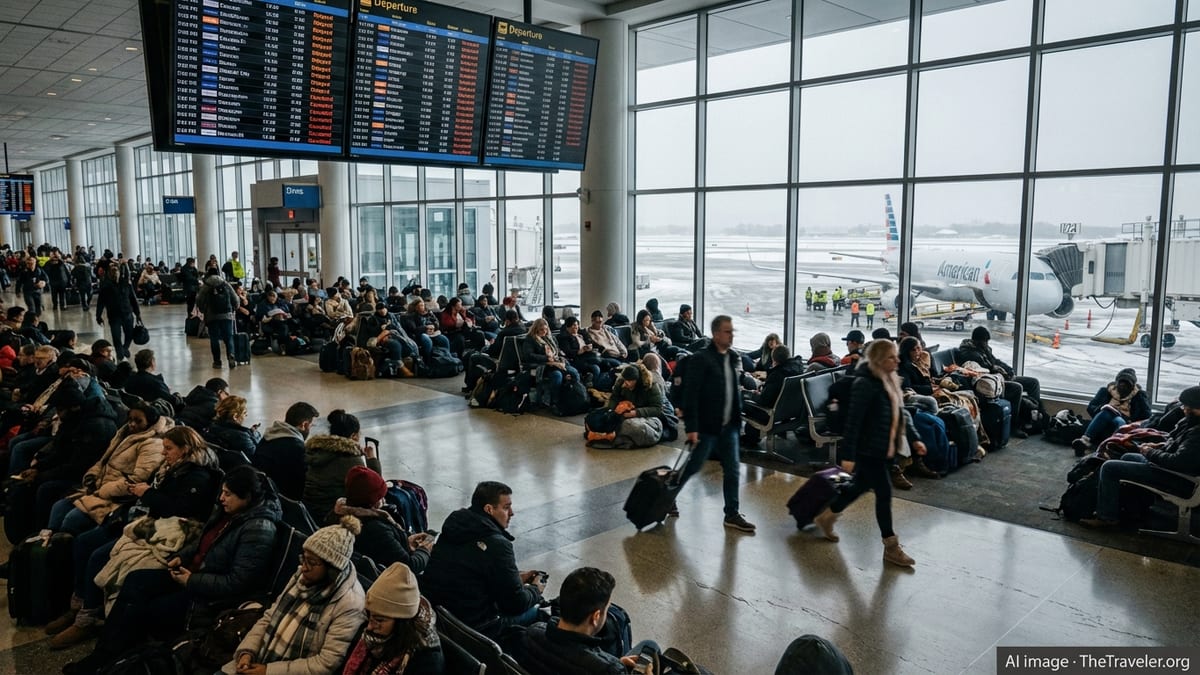
Weather Turbulence Turns DFW Into a Summer Bottleneck
Dallas Fort Worth International Airport has entered the peak of the summer travel season under intense operational strain, with July storms repeatedly disrupting arrivals and departures. On July 7, 2026, publicly available tracking and media reports show that DFW saw more than 500 combined delays and cancellations, with American Airlines bearing the brunt as the dominant carrier at the airport.
That single day illustrated a broader pattern emerging in early July. Lines of strong thunderstorms across North Texas and the wider southern United States have triggered ground stops, forced reroutes and left aircraft and crews out of position. Passenger accounts from recent days describe rolling delays, missed connections and last minute cancellations on American flights into and out of DFW.
As the airline’s largest hub and primary gateway for both domestic connections and long haul international routes, any weather event at DFW has an outsize impact on American’s network. Even limited storms can quickly ripple into hundreds of disrupted flights, particularly during peak morning and evening banks when runway and gate capacity are fully utilized.
Airport guidance ahead of the Independence Day period highlighted expectations for record passenger volumes and warned of heavy congestion in security and curbside areas. Those forecasts have intersected with disruptive weather, leaving little margin to absorb unexpected delays and compounding pressure on American’s operation at the hub.
Cancellations Expose Fragile Staffing and Crew Positioning
While thunderstorms have been the visible trigger for many of July’s disruptions, underlying staffing and crew availability issues appear to be amplifying the severity and duration of cancellations. Passenger reports in June and early July described flights from DFW that remained on the board for hours before being canceled due to crew time outs or the inability to assemble a full cockpit and cabin team.
Social media posts from travelers and aviation workers detail instances of long ground holds while passengers waited for replacement pilots or flight attendants, only to see flights ultimately scrubbed. In several recent cases, travelers reported overnight stays in Dallas after evening departures were canceled when crew members could not operate additional segments without exceeding duty limits.
Union communications and base briefings for American’s flight attendants have pointed to tight staffing at DFW heading into the summer surge, with schedules shaped by World Cup related demand, expanding international flying and already high domestic utilization. Publicly available job postings for operations and planning roles at the airline’s integrated operations center near DFW emphasize the need to better align staffing, schedules and disruption recovery, underscoring the complexity of the current operating environment.
These factors mean that when weather or air traffic control constraints interrupt the planned flight sequence, American’s ability to quickly reassign crews and recover its DFW schedule can be limited. The result for passengers is a pattern in which a storm lasting a few hours can lead to cancellations and missed connections cascading well into the following day.
Passenger Experience Strained as Recovery Lags
The strain on American’s DFW operation has been highly visible to travelers moving through the hub in recent weeks. Passenger narratives from early summer describe multi hour waits in terminal areas, long lines at rebooking counters and difficulty securing hotel rooms after late night cancellations linked to storms or crew shortages.
Some travelers have reported multiple rebookings over one or two days as connecting flights continued to encounter rolling delays or cancellations. Others describe waiting extended periods for updated information on gate changes, boarding times or available onward options. These accounts suggest that while American’s mobile app and digital tools remain central to its customer communication strategy, the sudden scale of disruptions at DFW has periodically overwhelmed support channels.
Industry discussion forums indicate that certain long haul routes from Dallas, including international services, have been particularly vulnerable when the hub experiences evening or overnight storms. If an inbound aircraft or crew cannot reach DFW on time, high value flights to destinations such as the Pacific or South America may be delayed for many hours or, in some cases, canceled outright, requiring complex rebookings across multiple days.
At the same time, some aviation observers note that American has made structural changes to its DFW bank structure over the past year that were intended to reduce congestion and improve connection reliability. Those adjustments may be moderating, but not eliminating, the impact of this July’s extreme weather and staffing challenges on the customer experience.
DFW’s Central Role Magnifies Network Wide Impact
Dallas Fort Worth’s role as American’s primary hub means instability there can ripple across the entire network. The airline has previously emphasized that a large share of its daily flights touch DFW in some way, either as origin, destination or connection. When departure banks from Dallas are heavily delayed, aircraft and crews that should be moving on to secondary hubs or focus cities instead remain stuck in Texas.
Recent operational data and traveler accounts indicate that on several days this summer, disruptions at DFW have coincided with irregular operations at outstations that depend on Dallas based aircraft rotations. Flights on shorter routes, including some regional and domestic services, have seen day of schedule changes or cancellations tied to aircraft and crews not arriving from DFW as planned.
Analysts following the airline sector note that this vulnerability is an inherent risk of a fortress hub strategy, particularly during peak summer travel when schedules are tightly packed and spare aircraft and crews are limited. When DFW performs well, American can route large volumes of passengers efficiently through a single, well developed hub. When storms or staffing constraints intervene, the same concentration can lead to widespread knock on effects.
Planning documents from DFW Airport and American’s own investor materials show that the airline expects the hub to grow even larger in coming years as terminal expansion projects are completed. That growth is likely to increase the importance of robust contingency planning for both weather and staffing shocks, given the scale of disruption that a single day of instability can now produce.
Airline and Airport Look to the Remainder of the Summer
The July disruptions come at a time when American has otherwise signaled confidence in its ability to handle a record breaking summer travel season, highlighting improvements in on time performance and missed connections compared with prior years. Government statistics for spring 2026 have suggested incremental gains in reliability at major hubs, including DFW, before the onset of the most active summer storm period.
As the month progresses, aviation analysts will be watching whether the combination of severe weather and tight staffing at DFW remains a recurring challenge or begins to ease as schedules are adjusted. Observers are also looking to see whether American modifies its July and August operations out of Dallas, for example by building more slack into evening banks or reducing frequencies on the most disruption prone days.
For passengers, publicly available guidance from both American and DFW Airport continues to emphasize preparation and flexibility. Travelers are being urged to monitor flight status closely, allow additional time for connections through Dallas and be prepared for last minute gate changes or overnight stays when storms move through North Texas.
With the heart of the summer travel season still ahead and major events continuing to drive demand through mid July, Dallas Fort Worth is likely to remain a focal point for how American Airlines manages the twin pressures of weather and staffing during one of the busiest and most challenging periods on the aviation calendar.