


More news on this day
Escalating conflict, sweeping Level 4 “Do Not Travel” warnings and fast-changing airspace restrictions across Iran, Iraq, Lebanon, Syria, Yemen and the Palestinian territories are forcing airlines, tour operators and independent travelers to rethink how, when and whether to enter or overfly large parts of West Asia.
Get the latest news straight to your inbox!
Level 4 Warnings Put Entire Countries Out of Reach
Publicly available travel advisories from the United States and several other governments currently place Iran, Iraq, Lebanon, Syria and Yemen under the highest warning category, effectively telling their citizens not to travel to these destinations under any circumstances. In some cases, specific areas within Israel and the Palestinian territories are also classified at an equivalent level, particularly Gaza and parts of the West Bank, due to severe and unpredictable security risks.
These Level 4 advisories typically cite armed conflict, terrorism, civil unrest, kidnapping and limited consular access as key factors. In Iraq, the advisory was updated in March 2026 after nonessential diplomatic staff were ordered to leave, highlighting regular attacks on security forces and civilians and heightened regional tensions. Syria and Yemen remain listed as environments of active or latent conflict, where state and nonstate armed groups operate and where basic infrastructure and healthcare are heavily degraded.
Lebanon’s rating was raised as clashes along the border with Israel intensified and as internal security incidents multiplied. For Iran, multiple governments underline the risk of arbitrary detention, political volatility and the possibility that travelers with foreign ties may be targeted in sensitive periods. These overlapping concerns are pushing tour operators to suspend itineraries, invalidate insurance coverage and divert group travel even where limited tourism had begun to return in recent years.
For Palestine, the picture is highly fragmented. Gaza is described in multiple advisories as an area where all travel should be avoided because of ongoing military operations, destroyed infrastructure and the near total closure of crossings. Parts of the West Bank are treated similarly, with warnings about clashes, military raids, roadblocks and an absence of reliable emergency support for foreign nationals.
Airspace Closures and Reroutings Redraw the Aviation Map
The tourism fallout is not limited to those planning to visit the affected states. Airlines and civil aviation authorities across Europe and Asia have progressively tightened overflight restrictions for Iran, Iraq, Syria, Lebanon and Yemen, citing the risk that missiles, drones or anti aircraft systems could endanger civilian aircraft. Guidance documents from European and national regulators advise carriers to avoid specific flight information regions, notably over Damascus and Sanaa, and in sections of Iraqi and Yemeni airspace, other than limited maritime corridors at high cruising altitudes.
In recent months, the airspace over Yemen has become especially constrained. According to regional media reports, the country’s internationally recognized aviation authorities announced the closure of all airports to regular traffic after strikes damaged Sanaa’s runway amid a dispute over an Iranian aircraft. That move compounded existing restrictions related to long running conflict and follows years of international notices warning operators about threats to civil aviation in Yemeni skies.
Ripple effects are being felt along key transcontinental routes between Europe and South or Southeast Asia. Some carriers have added significant time to flights in order to detour around high risk airspace, while others have temporarily suspended servicios to certain hubs in the region. Aviation notices from Kazakhstan and other states show bans on overflying parts of Iran, Iraq, Syria, Lebanon and neighboring airspace, forcing regional airlines to shoulder higher fuel costs and longer flight times.
For travelers, this means that journeys to unrelated destinations can still be disrupted. Flights that once passed over Iraq or Syria may now be re routed via the Caucasus or the Arabian Sea, adding hours to itineraries and increasing the risk of missed connections. Schedules can change at short notice when new security information emerges, particularly after missile launches, cross border strikes or sudden escalations along front lines.
On the Ground: Tourism Collapses as Conflict Intensifies
Before the latest waves of escalation, several of the affected destinations were slowly rebuilding specialist tourism niches. Lebanon and parts of Iraqi Kurdistan attracted visitors interested in food, cultural heritage and nature. Syria and Yemen retained a powerful pull for heritage travelers despite widespread warnings, though practical access remained limited. In Iran, large tour groups had increasingly been replaced by smaller, independent cultural and religious visitors.
Published industry analyses now describe a sharp downturn. Tour operators have withdrawn group departures to Iran, Iraq, Lebanon, Syria and Yemen for the coming seasons, citing the incompatibility of Level 4 style advisories with their duty of care and insurance obligations. Hotels and local guides who had invested in a fragile recovery report cancellations and a near halt in new bookings, particularly from European, North American and Australasian markets whose governments have hardened their advice.
The Palestinian territories, already facing chronic access and movement constraints, have seen inbound tourism fall dramatically since the expansion of hostilities in and around Gaza and the spread of violence across parts of the West Bank. Border closures, curfews, roadblocks and sudden security operations have made it difficult to maintain even basic pilgrimage and city break itineraries. With many international airlines limiting or suspending operations into nearby gateways during spikes in violence, the region’s visitor economy has been squeezed from both the air and the ground.
In parallel, neighboring countries that remain open to tourism but border conflict zones are experiencing their own volatility. Northern areas of Israel adjacent to Lebanon and Syria carry their own localized do not travel style designations, while cities elsewhere in the country have faced periods of heightened threat. Travelers must navigate a patchwork in which one town or border crossing can be considered extremely high risk while a nearby resort remains operational, albeit under tightened security.
What Travelers Need to Know Before Booking
For anyone planning travel that touches West Asia, the most immediate implication of these developments is that itineraries involving Iran, Iraq, Lebanon, Syria, Yemen or the Palestinian territories carry an exceptionally high risk of disruption and personal danger. Many governments explicitly state that their ability to provide consular support in these territories is extremely limited or nonexistent, particularly in Gaza, parts of the West Bank, Syria and Yemen, where embassies and consulates have reduced or withdrawn staff.
Most mainstream travel insurers treat Level 4 equivalent advisories as a trigger to exclude cover. This means that policies may not pay out for medical evacuation, security incidents, trip cancellations or lost property if travelers choose to ignore government warnings. Airlines and tour companies often mirror this approach and reserve the right to cancel routes or packages without compensation when new advisories are issued, leaving travelers to absorb costs or contest them with intermediaries.
Travelers transiting the region without entering these countries still need to pay close attention to changing airspace rules. It is increasingly important to check in advance which airlines are avoiding certain flight information regions and to allow extra time for connections in hubs that could be affected by diversions. When booking, flexible tickets and accommodation that can be changed or canceled without heavy penalties offer an additional buffer against sudden schedule adjustments.
Experts in travel risk management advise that anyone with unavoidable reasons to be in or near these areas should maintain strict situational awareness, monitor multiple government advisories, register their presence where possible and have independent evacuation and medical support plans. For most leisure travelers, however, the current pattern of Level 4 advisories, conflict dynamics and airspace disruptions effectively places large parts of West Asia off the tourism map for the foreseeable future.
Regional Rebalancing: Winners and Losers in West Asia Tourism
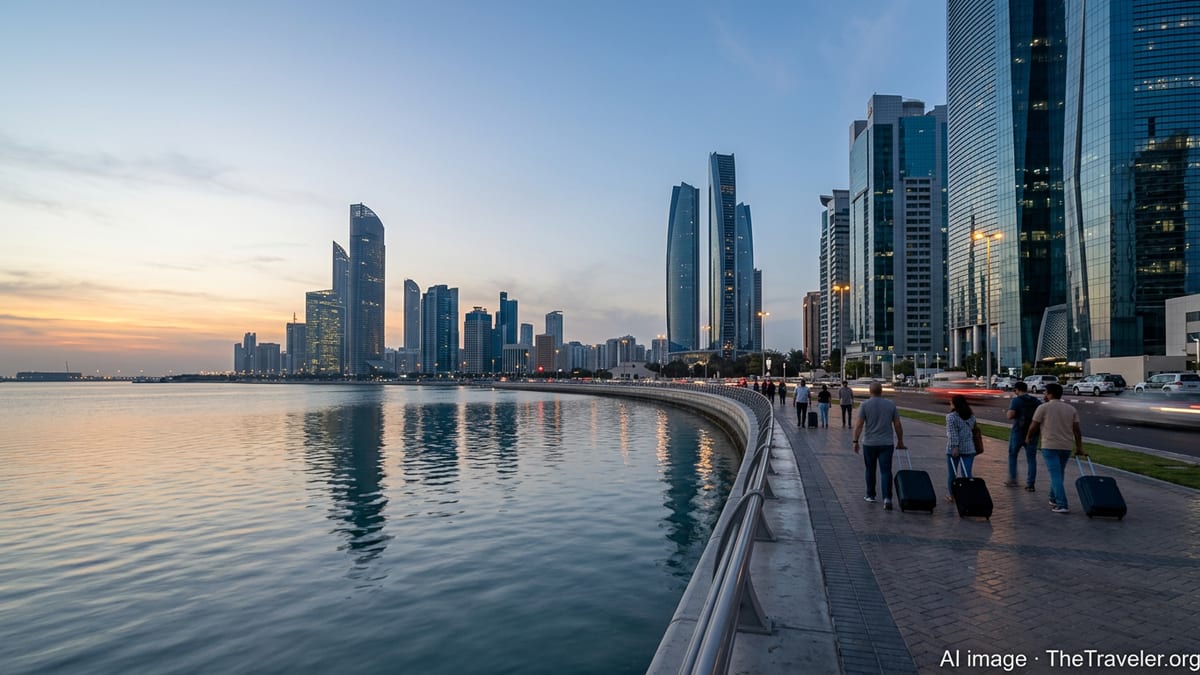
As conflict zones and no fly areas expand, other destinations in the broader region are emerging as alternative gateways and holiday spots. Industry assessments point to increased demand for trips to Gulf states such as the United Arab Emirates, Qatar and Oman, which are maintaining higher security ratings and promoting themselves as stable hubs for connecting flights and short city breaks. Some travelers who might previously have combined multiple countries in a single West Asia itinerary are now opting to stay within a single, lower risk destination.
At the same time, countries on the periphery of the region, including parts of the Caucasus and Eastern Mediterranean, are seeing both opportunities and challenges. They benefit from rerouted traffic and diverted tourism demand but must also manage higher operational costs as airlines avoid neighboring conflict airspace. Regulatory notices from European and regional aviation bodies indicate that this rebalancing is likely to persist as long as missile launches, drone activity and cross border skirmishes remain a feature of the security landscape.
For local communities within the affected Level 4 destinations, the collapse of tourism removes a rare source of foreign currency and cross cultural contact. Small businesses that once hosted hikers, history enthusiasts or faith based visitors are left reliant on humanitarian aid, diaspora remittances or domestic trade. The longer high risk advisories and airspace closures remain in place, the harder it becomes to revive visitor confidence even if security conditions improve.
Against this backdrop, travelers and industry professionals are watching for any sign of durable ceasefires, de escalation agreements or coordinated efforts to re open airspace under robust safety protocols. Until such developments take hold, the prevailing picture is one of fragmentation, caution and prolonged disruption, with Iran, Iraq, Lebanon, Syria, Yemen and Palestine at the center of a transformed and highly constrained West Asia tourism map.