


More news on this day
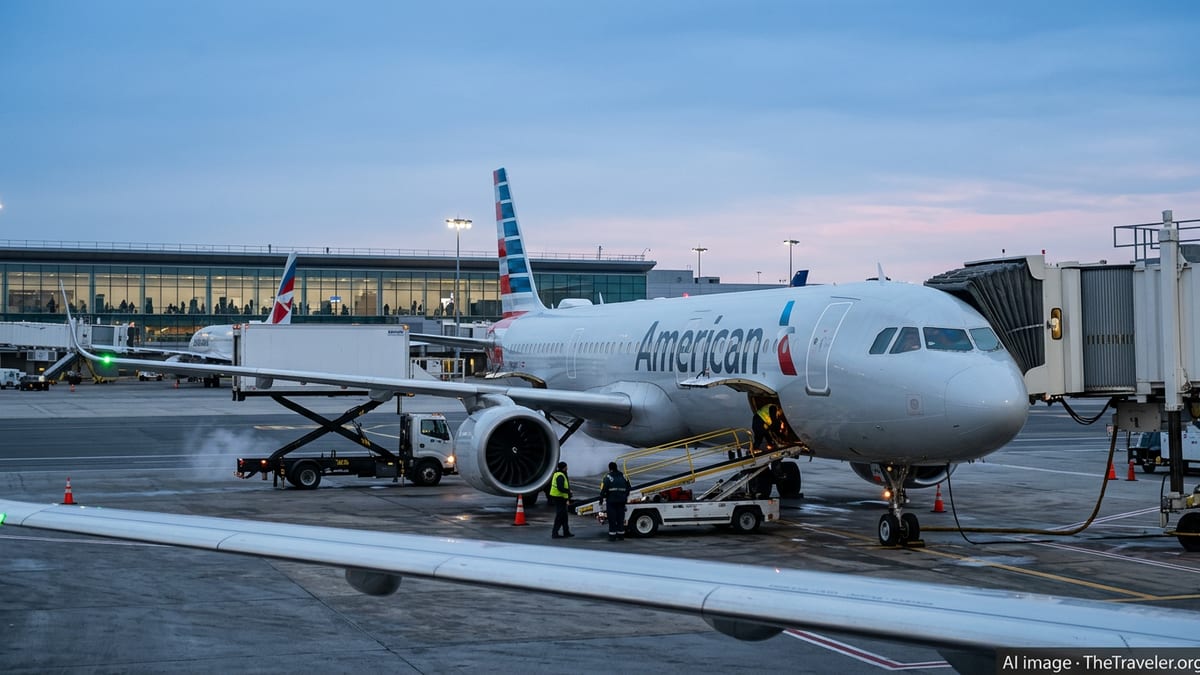
American Airlines has debuted a new pier expansion at Dallas Fort Worth International Airport’s Terminal C, introducing nine advanced gates and upgraded passenger facilities that are set to anchor the carrier’s next phase of growth at its largest hub.
Get the latest news straight to your inbox!
New Pier Marks First Milestone in Multibillion-Dollar Overhaul
The new Terminal C pier opened in early June as the first completed component of a wider reconstruction of the 52-year-old terminal, which forms the backbone of American’s domestic operation at Dallas Fort Worth International Airport. Publicly available information shows that the 115,000-square-foot structure adds four brand-new gates and replaces five existing ones, increasing operational capacity as summer traffic ramps up and the region prepares to host major global events.
The pier is part of an approximately 3 billion dollar Terminal C modernization program designed to transform one of DFW’s oldest facilities into a brighter, more efficient space. Airport planning documents describe a comprehensive redesign from curb to gate, including new structural elements, dynamic glass, raised ceilings and refreshed concessions across the terminal in the coming years.
The expansion also fits into the broader DFW Forward capital improvement plan, which envisions substantial growth in terminal capacity across the airport. Under that program, Terminal C’s rebuild advances alongside new parking infrastructure and preparations for a future sixth terminal that will also be heavily utilized by American.
For American, which operates all flights from Terminal C, the new pier is expected to help manage one of the busiest complexes in its system. Industry coverage indicates that if Terminal C were counted as a standalone hub, it would rank among the airline’s largest by daily departures.
Advanced Gates Bring Electronic Boarding and Digital Upgrades
A defining feature of the new pier is its set of advanced gate systems designed to streamline boarding and improve reliability at one of the world’s most complex connecting hubs. Aviation industry reports indicate that all nine gates are equipped with electronic boarding gates, making American one of the first carriers in the United States to adopt this technology at scale within a major hub facility.
These electronic gates are intended to automate and standardize the boarding process, replacing manual document checks with integrated scanners and real-time passenger data. According to product information and company statements, the technology supports faster queuing, clearer zone management and more accurate headcounts, which can reduce delays at departure.
The boarding areas themselves feature upgraded digital signage and expanded seating zones configured around power access and clearer sightlines to the aircraft. Published coverage notes that the pier includes expansive floor-to-ceiling windows, which not only increase natural light but also create more intuitive wayfinding and better visibility across the concourse.
Behind the scenes, the new gates were built using modular construction techniques that allowed large pre-fitted segments to be assembled away from the airfield and then moved into place. Airport updates describe how this approach allowed mechanical, electrical and safety systems to be pre-installed, reducing the amount of disruptive work required adjacent to live operations.
Modern Facilities Elevate the Terminal C Passenger Experience
For travelers, the opening of the Terminal C pier delivers an early preview of the next-generation experience planned for the entire terminal. DFW Airport materials highlight new restrooms, upgraded seating, additional charging points and refreshed concessions that aim to bring the customer offering closer to the standard found in the airport’s newest facilities.
Publicly available information on the reconstruction program indicates that future phases will extend similar design principles throughout the terminal, replacing aging finishes, removing view-blocking columns and reconfiguring circulation to reduce bottlenecks at security and gate areas. The long-term goal is to provide a more consistent experience across all of American’s DFW operations, regardless of which terminal customers use.
The new pier’s design also reflects changing passenger expectations around comfort and productivity. Seating zones are configured to accommodate both solo business travelers and families, with a focus on line-of-sight visibility to information screens and boarding doors. Large windows and higher ceilings contribute to a more open feel compared with the original 1970s-era concourse design.
As construction progresses, passengers connecting via the new gates will see a contrast between legacy and rebuilt sections of Terminal C. Airport planners have positioned the pier as a testbed for technologies and layouts that can be refined and replicated as additional sections of the terminal are redeveloped.
Strategic Hub Investment Underpins Future Growth at DFW
The Terminal C pier is also a strategic statement about American’s long-term commitment to Dallas Fort Worth as a core global hub. Company and airport planning documents outline a multi-decade use and lease framework that supports not only the Terminal C rebuild but also additional gates in other terminals and the development of Terminal F, a future facility that will be operated entirely by American.
DFW is already one of the largest airline hubs in the world, and American’s network planning materials describe it as a critical connecting point for domestic, transborder and long-haul traffic. By increasing gate capacity and modernizing legacy infrastructure at Terminal C, the airline gains more flexibility to bank flights, optimize connections and adjust schedules during peak periods.
The pier’s added capacity is expected to support both near-term demand, including heavy summer schedules, and medium-term growth as the North Texas region expands. DFW Airport communications frame the project as part of a broader 12 billion dollar capital program that prepares the airport to handle rising passenger volumes and major events, including global sports tournaments in the late 2020s.
For airlines, the combination of incremental gates, improved on-time performance and a more attractive customer proposition can translate into stronger hub economics. The new Terminal C pier, together with subsequent phases of reconstruction, is positioned to help American capture additional traffic flows while maintaining DFW’s role as a central node in its worldwide network.
Operational Resilience and Construction-Friendly Design
Another notable dimension of the new pier is the way it has been engineered around active hub operations. Prior to opening, DFW documented the movement of six large structural modules across the airfield, each pre-equipped with mechanical, electrical and life-safety systems. This megastructure approach was selected to limit disruption in a terminal that has remained busy throughout construction.
Modular construction helped reduce the amount of heavy work required adjacent to existing gates, where American has continued to operate hundreds of daily departures. Industry analysis points out that minimizing gate closures and schedule volatility is crucial at a banked hub, where changes at one gate can cascade across an entire wave of departures and connections.
The new pier configuration also allows the terminal to operate more flexibly during future renovation phases. With modern infrastructure now in place at one end of Terminal C, project teams have additional options for shifting traffic while older areas are rebuilt, helping to preserve capacity and maintain passenger flows.
As work progresses toward a completely reimagined Terminal C, the opening of the pier is being viewed in industry coverage as both a tangible upgrade for today’s travelers and a foundational step in American Airlines’ broader transformation at Dallas Fort Worth. The advanced gates, modern facilities and enhanced passenger experience showcased in the new concourse are expected to serve as a template for how the carrier and airport approach the next decade of growth at the hub.