


More news on this day
Severe flash flooding across parts of Thailand after days of intense monsoon rain has prompted renewed warnings for Australian travellers, as airports, city roads and key tourist routes report disruption and heightened safety risks.
Get the latest news straight to your inbox!
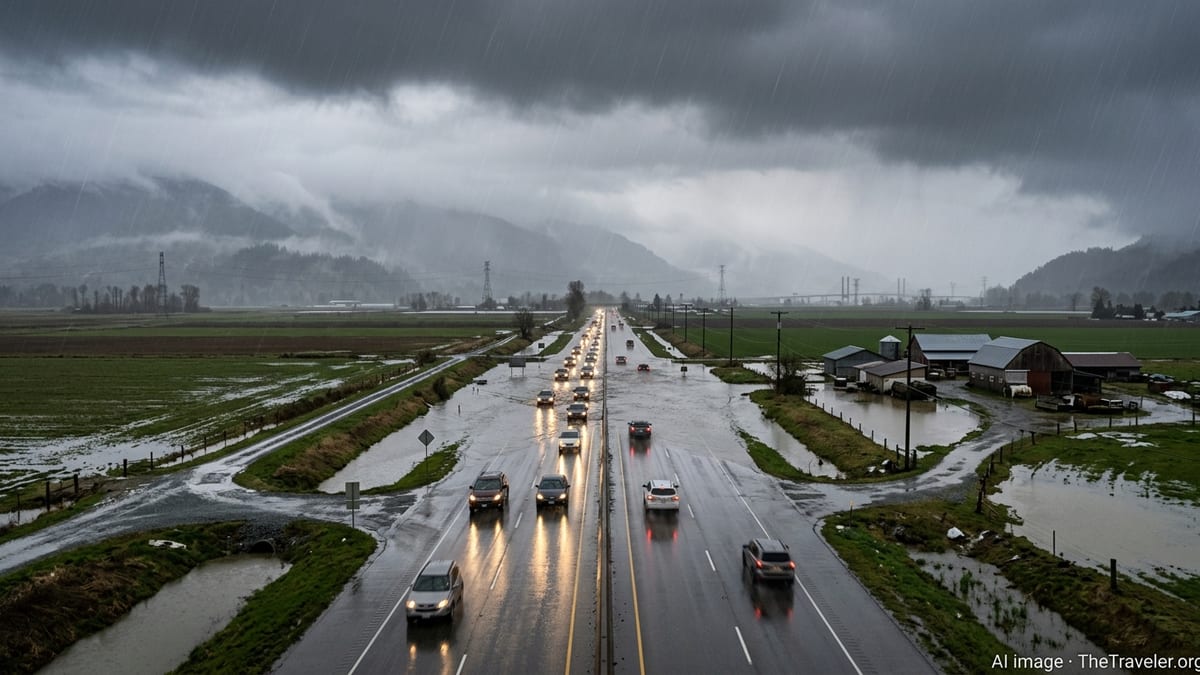
Monsoon deluge pushes Thailand’s flood risk higher
Thailand is experiencing another surge of heavy to very heavy rainfall, with the Thai Meteorological Department issuing a series of weather alerts for widespread downpours and potential flash floods through at least 27 September 2026. Recent advisories describe an active low-pressure system moving across the East, lower Northeast and Central regions, interacting with the seasonal monsoon to deliver intense rainfall over much of the country.
Publicly available weather bulletins highlight elevated risk in Bangkok and surrounding provinces, as well as low-lying areas along major river systems. Heavy rain has been forecast to affect large sections of the Central region, the East, parts of the Northeast and some southern coastal zones, increasing the chance of sudden urban flooding and runoff from hillsides.
The latest warnings follow several weeks of unsettled conditions and repeated advisories about flash floods, overflows and landslides. The pattern has left drainage systems under pressure and raised concerns about travel reliability, particularly where road networks pass through flood-prone districts or areas close to waterways.
Local media coverage describes “disaster” conditions in some flooded neighborhoods, with streets transformed into fast-moving channels after intense cloudbursts. While many core tourism hubs are functioning, the uneven nature of the rainfall means conditions can change quickly between districts only a few kilometres apart.
Bangkok and airport access face localised disruption
Bangkok, a key entry point for Australian visitors, has seen a mix of passable roads and severely waterlogged stretches following episodes of extremely heavy rain. City traffic cameras and municipal updates show that several main arteries can flood rapidly during downpours, particularly in historically vulnerable districts such as Lat Krabang and parts of eastern Bangkok.
Information published by Thailand’s official tourism and information portal on 26 September reports standing floodwater affecting approaches near Suvarnabhumi Airport, advising motorists to avoid the Lat Krabang area because of high water levels and slower traffic. Alternative routes and elevated expressways have remained in use, but conditions are subject to change with each storm cell.
Rail links between the airport and central Bangkok, including the Airport Rail Link and connections to the BTS Skytrain and MRT, have generally continued operating, offering a more reliable option for travellers wishing to bypass waterlogged streets. However, heavy rain can still affect access between stations and accommodation, particularly where footpaths and side streets are inundated.
Even where main boulevards remain open, local reports note frequent pockets of deep water at junctions, around underpasses and near construction sites. Vehicles with low ground clearance are particularly vulnerable to stalling, and ride-hailing services may temporarily suspend pick-ups in the worst affected streets, forcing travellers to walk detours through crowded, wet conditions.
Risk zones for tourists beyond the capital
Beyond Bangkok, a number of inland and coastal provinces popular with tourists are included in current heavy-rain advisories. Weather warnings reference parts of the North and Northeast, central plains and eastern seaboard, indicating that river catchments and hilly areas could see rapid surges in water levels after intense storms.
Travel industry updates and local coverage emphasise that routes linking Bangkok to beach destinations on the Gulf of Thailand and the Andaman Sea may be intermittently disrupted by flooding, fallen debris or reduced visibility. Sections of highways near low-lying rice fields and canal networks are particularly exposed to water spilling over from surrounding land.
In previous episodes of comparable monsoon flooding, bus and minivan services between major hubs such as Bangkok, Hua Hin and southern gateways have experienced delays or diversions while authorities cleared water and debris from carriageways. Recent transit advice encourages passengers to allow extra time, check operator announcements close to departure and build flexibility into itineraries.
Mountainous regions and national parks in the North and Northeast also carry heightened flash-flood and landslide risk when rain persists for several days. Tourism information channels advise avoiding trekking routes, waterfall viewpoints and riverside camping in affected provinces until rainfall intensity decreases and local safety assessments improve.
Australian travel advice and insurance implications
Australia’s official travel advisory service continues to flag seasonal flooding as a potential disruption for visitors to Thailand, particularly during the monsoon period that extends through October in many regions. While the country remains a popular destination, the combination of heavy rain, flash flooding and occasional infrastructure strain means travellers are urged to monitor conditions closely.
Publicly available guidance for Australian travellers recommends checking both Australian government advisories and Thai meteorological updates prior to departure and throughout a stay. Sudden changes in the severity or path of storm systems can prompt revised alerts for particular provinces, transport corridors or urban neighborhoods.
Insurance providers typically require that travellers follow official warnings and avoid deliberately entering known danger zones, such as closed roads, flooded underpasses or restricted riverfront areas. Policy documents may also treat losses incurred while ignoring weather or safety alerts differently from those resulting from unavoidable disruption, making it important to retain documentation of any cancellations or schedule changes related to flooding.
For Australians with imminent trips, travel agents and airlines are encouraging proactive review of booking conditions. Some carriers may permit date changes or rerouting if schedules are significantly disrupted by severe weather, although this can depend on fare rules and the scale of operational impact at particular airports.
Practical guidance for managing flood-affected itineraries
With conditions varying sharply between districts, travellers currently in Thailand are being advised through official channels and local information platforms to adopt a cautious, flexible approach. Checking real-time weather radars, municipal updates and traffic information before setting out can help identify areas experiencing sudden downpours or road closures.
In Bangkok and other large cities, elevated rail systems and metro lines are generally more reliable during flooding than surface transport. Using rail to travel between key hubs, then completing only short final segments by taxi or ride-hailing services, can reduce exposure to deep water and traffic gridlock.
For overland journeys between cities, observers recommend monitoring highway agency announcements and preferring daytime travel when visibility is better and assistance easier to access. If forecasts indicate intense rainfall along a planned route, postponing non-essential trips or temporarily switching to domestic flights can lower risk and improve the chances of maintaining an overall itinerary.
Travellers are also urged to prepare for short-notice changes by keeping essential items, such as medication, travel documents, a charged phone and basic supplies, easily accessible in waterproof bags. Where accommodation sits close to rivers, canals or beaches, guests may wish to clarify evacuation procedures and alternative transport options in case local roads become impassable during peak rainfall.