


More news on this day
Severe monsoon rains have triggered disruptive flash flooding across parts of Thailand in late September 2026, prompting renewed warnings for Australian travellers as authorities highlight hazardous road conditions, transport delays and the risk of rapidly rising waters in low lying areas.
Get the latest news straight to your inbox!
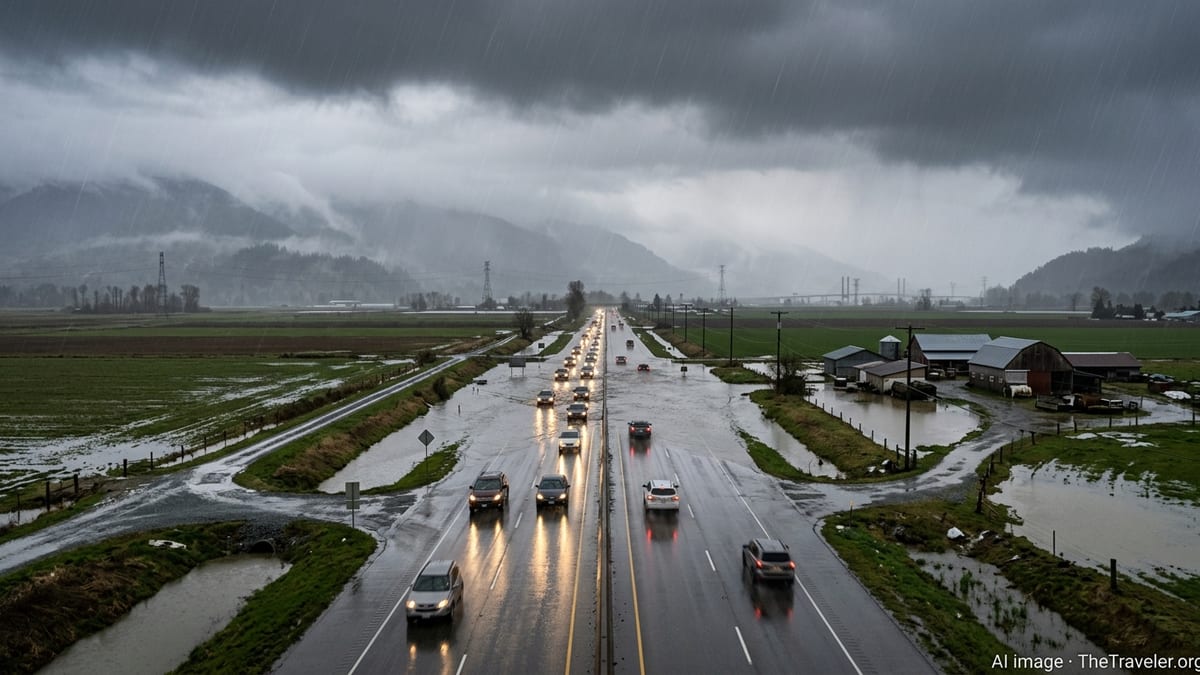
Monsoon deluge triggers widespread flood risk
Thailand is in the grip of an intense late September monsoon pattern, with the Thai Meteorological Department issuing multiple advisories for heavy to very heavy rain across large parts of the country through 27 September 2026. Publicly available alerts describe an active low pressure system moving across Vietnam, Cambodia and into Thailand, interacting with the southwest monsoon to produce prolonged downpours over the Northeast, Central Region, Bangkok and the Eastern Seaboard.
These conditions have raised the risk of flash flooding, overflows and landslides, particularly along waterways, foothills and low lying zones. Official weather bulletins urge residents and visitors to be alert to sudden torrents, especially near rivers and canals where water levels can rise quickly after intense cloudbursts.
The pattern has followed several earlier September warnings focused on northern and upper northeastern provinces, where accumulated rainfall has already saturated catchments. As the monsoon trough has shifted south over recent days, more densely populated areas around the capital and key transport corridors have experienced significant surface flooding and drainage backlogs.
Local media coverage indicates that some districts have recorded rainfall over multiple consecutive days, contributing to standing water on streets and making conditions highly variable from one neighbourhood to another. Travellers arriving from overseas are being urged to factor in extra time for journeys and to monitor rapidly changing weather forecasts.
Bangkok and airport routes hit by disruptive flooding
Bangkok has again become a focal point for concern as intense showers test the city’s drainage and canal systems. Information from Thailand’s official tourism and government portals notes localised flooding on major roads in several inner city and eastern districts, especially during high tide periods and peak rainfall.
Travel advisories aimed at visitors highlight particular disruption on approaches to Suvarnabhumi Airport, with the Lat Krabang area flagged for high levels of standing water and potential traffic bottlenecks. Guidance issued on 26 September recommends avoiding certain low lying routes where possible and allowing substantially longer transfer times to and from the airport.
The Tourism Authority of Thailand has published visitor information acknowledging ongoing rainfall and warning that road travel around Bangkok and its surrounding provinces may be slowed by temporary closures, lane reductions and detours. While flight operations at major airports continue, surface access has become the weak point, with vehicles sometimes forced to navigate flooded underpasses and secondary streets.
Reports from residents and travellers shared on public forums depict a patchwork situation: some central business districts and elevated roads remain passable, while pockets of the city experience deep, fast moving water that can strand smaller cars and motorcycles. For visitors unfamiliar with Bangkok’s geography, the erratic nature of the flooding can make it difficult to judge safe routes in real time.
Australian advisories tighten as conditions deteriorate
As flooding intensifies, foreign governments are revisiting their travel advice for Thailand. The United Kingdom’s Foreign, Commonwealth and Development Office updated its travel page in late September to highlight the heightened risk of flash flooding, signalling a broader international concern about the scale and unpredictability of the current conditions.
Australia’s official travel advisory service typically aligns closely with such developments. While the exact wording of current Australian guidance can change quickly, recent monsoon seasons have seen advice upgraded to warn of potential disruption to internal travel, temporary closure of tourist sites and pressure on emergency services in flood affected provinces when heavy rain persists.
In practice, this can translate into stricter recommendations for Australians to reconsider non essential travel to the hardest hit areas, to avoid driving through flooded roads, and to keep in close contact with airlines and tour operators when routes are affected. Travellers may also be urged to confirm that their travel insurance covers weather related disruption and evacuation, as some policies treat flooding differently from named storms or cyclones.
Public statements from Thai agencies emphasise that the situation is not uniform nationwide. Many destinations remain accessible, yet Australian visitors are being reminded that even short regional journeys can be delayed or diverted if intense local storms trigger landslides, overflowing rivers or damaged road surfaces along planned routes.
Key regions and activities facing the greatest impact
The heaviest rainfall in recent days has focused on parts of northeastern, central and eastern Thailand, together with segments of the Andaman and Gulf coasts. Thai weather bulletins point in particular to the risk of sudden runoff in foothill areas and along river valleys, where small streams can quickly become dangerous torrents.
Road travel between regional centres has been most affected, with local media describing overflowing drains, submerged intersections and temporary closures in some provincial towns. In Bangkok, underpasses and low lying sois are especially vulnerable, while elevated expressways often remain the most reliable way to cross the city when intense storms hit.
On the coasts, marine advisories caution that small boats in the upper Gulf of Thailand and northern Andaman Sea should remain in port during the peak of the weather system. Strong winds, rough seas and poor visibility may lead to postponements or cancellations of island transfers, snorkelling trips and dive excursions, particularly around exposed offshore sites.
Tourist businesses in affected regions are adjusting operations day by day, with some inland attractions closing early or limiting access when rain bands move through. For Australian holidaymakers expecting beach conditions or uninterrupted city sightseeing, the reality of flood altered itineraries is prompting a rethink of daily plans and, in some cases, entire routes.
Practical guidance for Australian travellers in Thailand
For Australians already in Thailand, the most immediate advice from publicly available Thai government information is to stay aware of local weather alerts, avoid known flood prone areas, and treat any moving or standing water with caution. Even shallow looking floodwater can conceal open drains, debris or sudden changes in depth that pose risks to pedestrians and vehicles.
Before undertaking longer journeys, travellers are encouraged to check the latest regional forecasts from the Thai Meteorological Department, monitor local news outlets and, where possible, use official traffic and highway applications that display live information on closures and congestion. Allowing extra time for airport transfers and intercity bus or train departures is crucial during periods of sustained heavy rain.
Australians preparing to depart in the coming days are advised to review current travel advisories, reconfirm bookings with airlines and accommodation providers, and consider flexible itineraries that can pivot away from the most severely affected provinces. Choosing centrally located hotels on higher ground, near mass transit stations rather than in low lying laneways, can reduce exposure to surface flooding in major cities.
Travel insurance remains an important safeguard, but policies differ in how they treat natural disasters and weather disruption. Prospective visitors should examine product disclosure statements for specific references to flooding, trip cancellation and alternative transport arrangements, and seek clarification from insurers before departure where coverage appears unclear.